• Detecting Roof Leaks Early: Learn the signs and methods to identify roof leaks before they lead to extensive damage.
• Preventive Measures: Tips and strategies for maintaining your roof to avoid leaks and costly repairs.
• Professional Solutions: Understanding the importance of expert assessments and repairs to ensure lasting protection for your home.
Recognizing Early Warning Signs of Roof Leaks
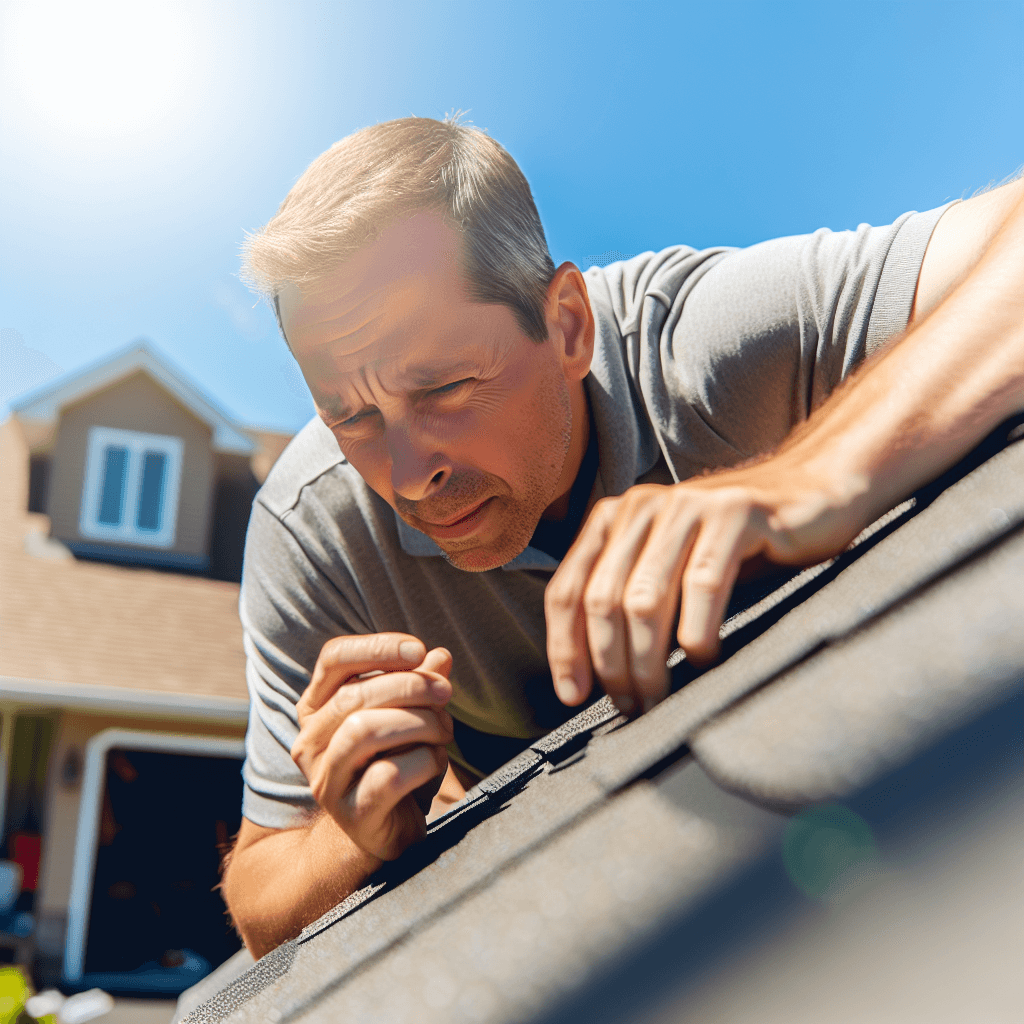
Every homeowner knows the dread that comes with finding a leak in their roof—an issue that can quickly escalate into a larger problem if not addressed promptly. The key to maintaining a healthy roof is detecting roof leaks early, which starts with knowing what to look for. Small imperfections might not catch your eye immediately, but they are often the harbingers of trouble ahead. Common telltale signs include missing shingles or tiles, which can indicate not only surface damage but potential weaknesses in roof integrity.
When inspecting your own roof, pay special attention to any areas that appear to sag. This kind of structural deformity often implies long-standing water damage that may compromise the safety of the entire roofing system. Damage or wear to shingles, especially if they’re cracked or curling, can also be a reliable indicator of an area prone to future leaks. Additionally, take note of any seemingly minor issues, like a small number of shingles that appear darker than the others, as this can suggest water retention.
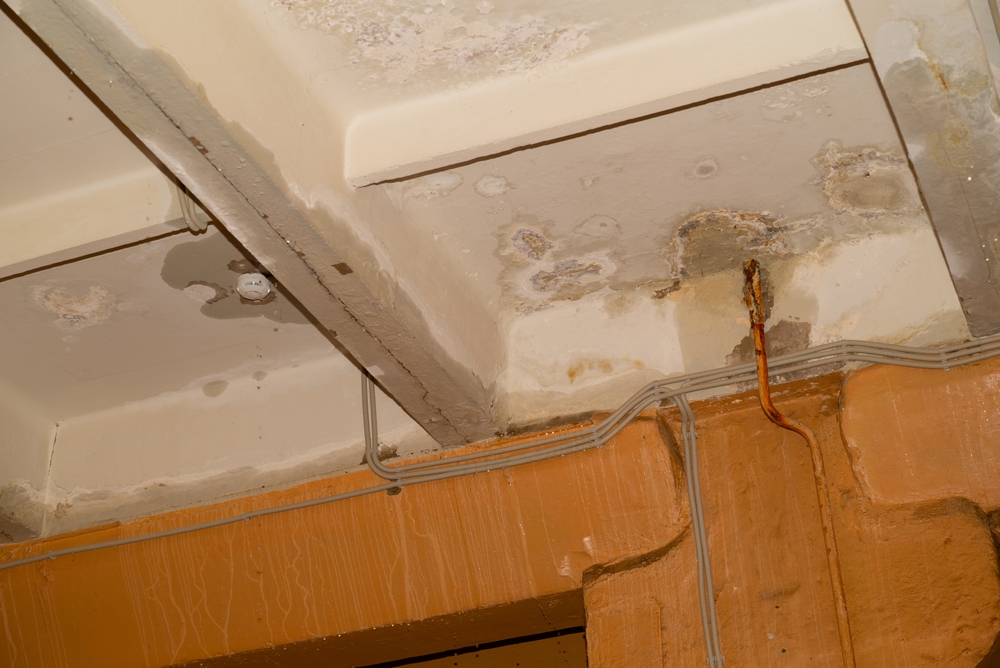
Of course, not all signs of roof leaks are as visible from the outside. To catch issues early, venture into your attic or take a look at the top floor ceilings for dark spots or trails that imply moisture. Mold or mildew, particularly in these hidden-away places, can be a clear sign that water has made its way past your roof’s defenses. And while external cleanliness might not seem related to leak prevention, debris like leaves and branches can trap moisture against the roof, fostering the perfect conditions for leaks to develop. Regular cleaning, therefore, becomes not just about aesthetics but also about preserving the health of your home’s first line of defense against the elements.
Maintaining your gutters plays a critical role, too. Ensure they are free from clogs to avoid backing up water that could easily wend its way beneath shingles and into your home. Over time, this can cause significant damage without manifesting clear, early signs. Thus, a proactive approach to gutter maintenance is indispensable. Alongside this, keep an eye out for shingle granules collecting in your gutters or on the ground, as they’re a strong indication of your roof’s surface beginning to break down.
Proactive Steps to Guard Against Roof Damage
While vigilance can alert you to potential problems, active prevention is your best defense against roof leaks. Regular inspections are a cornerstone of roof maintenance, and there’s no substitute for a professional eye when it comes to spotting trouble. That’s why we recommend having Shamrock Roofing’s experts perform an annual check-up to ensure everything is sealed, intact, and functioning as it should. These dedicated inspections often reveal minor issues before they transform into costly repairs.
Beyond professional assessments, homeowners should adopt a hands-on approach to roof care. Start by checking and cleaning your gutters and downspouts seasonally to prevent blockages that can cause water to pool and seep into your roof. Likewise, after clearing debris from the roof surface, take a moment to look for shingle granules — a sign of your roof’s wear and tear. And don’t overlook the importance of flashing, which helps to seal and protect the joints and edges of your roof; ensure it’s always securely fastened and undamaged.
Sealing the Deal: Ensuring Watertight Roof Penetrations
Roof penetrations, such as vents, pipes, and chimneys, are common areas where leaks can begin. It’s essential to verify that the seals and caulking around these areas remain intact over time. Even the smallest gap can allow water to penetrate, causing damage that can go unnoticed until significant repair is required. Regularly sealing these points can prevent such issues, maintaining the integrity and longevity of your roof.
Step 1: Inspect Your Roof Regularly
Perform regular inspections of your roof, especially after heavy storms or extreme weather conditions. Look for missing, damaged, or aging shingles and check for any signs of sagging or structural damage.
Step 2: Check Inside for Stains or Mildew
Examine your attic or top floor for water stains, mold, or mildew. These signs could indicate that water is seeping through your roof and accumulating in your home, which is a precursor to leaks.
Step 3: Clear Debris from the Roof Surface
Keep your roof free of debris such as leaves, branches, or buildup that could trap moisture. This moisture can weaken the roof over time and lead to leakage.
Step 4: Clean Your Gutters and Downspouts
Ensure that your gutters and downspouts are clear of obstructions to allow proper water flow. Backed-up water in the gutters can lead to water infiltration under your roof materials.
Step 5: Look for Shingle Granules
Check your gutters and the ground below the downspouts for excessive shingle granules, which can be a sign of advanced wear on your roof’s shingles.
Step 6: Perform a Flashing Check
Inspect the flashing around roof vents, chimneys, and skylights to ensure that it is securely attached and free of cracks or breaks. Faulty flashing can be a common ingress point for water.
Step 7: Seal Around Roof Penetrations
Verify that all roof penetrations, such as vents, exhausts, and chimneys, are sealed correctly. Reseal any areas where the caulking has broken down to prevent water from leaking through.
Step 8: Schedule a Professional Inspection
Have a certified roofing professional from Shamrock Roofing conduct a thorough inspection annually. They can spot potential issues early on and make the necessary repairs to keep your roof in top condition.
By following these steps diligently, you will be better prepared to detect roof leaks early and maintain the integrity of your roofing system.
Avoiding Common Roof Inspection and Maintenance Mistakes
Home upkeep, particularly where the roof is involved, can sometimes be daunting and it’s easy to fall into common traps along the way. In your quest to keep your home safe and dry, being aware of pitfalls in DIY roof maintenance can save you from causing unintended damage. Let’s explore some frequent missteps so you can approach roof care with confidence and precision.
1. Mistake 1: Neglecting Regular Inspections
– It’s tempting to ignore your roof until a problem becomes apparent. However, this reactive approach often leads to larger, more expensive issues. To prevent this, set a schedule for regular inspections, particularly following severe weather.
2. Mistake 2: Overlooking Attic and Interior Signs
– Many people fixate on the exterior and forget that signs of leaks often first appear inside, in the form of water stains or mildew. Regular attic checks can catch these early indicators of moisture problems before they worsen.
3. Mistake 3: Letting Debris Accumulate
– A common oversight is allowing leaves and other debris to build up on the roof. This not only traps moisture but can also create the perfect breeding ground for mold and damage roofing materials, highlighting the need for periodic cleaning.
4. Mistake 4: Forgetting About the Gutters
– Gutters clogged with debris are more than just an eyesore; they are a direct cause of water damage to your roof. Clean your gutters regularly, ensuring water can flow freely away from your home.
5. Mistake 5: Ignoring Shingle Granules
– An excess of granules in the gutter might seem inconsequential, but it’s a clear sign of shingle wear. If noticed, inspect your shingles and replace them as necessary to prevent any underlying damage from exposure.
6. Mistake 6: Dismissing Flashing Damage
– Don’t overlook the metal strips known as flashing that seal the transitional areas of the roof. Even minor cracks or detachment can lead to significant leaks, so always ensure that flashing is in good repair during inspections.
7. Mistake 7: Poorly Sealing Roof Penetrations
– Failing to adequately seal or re-seal around roof penetrations after installations or repairs can lead to leaks. Check the seals around vents and chimneys regularly, and apply new caulking as needed.
8. Mistake 8: Skipping Professional Evaluations
– Some homeowners might consider professional inspections unnecessary if they’ve been maintaining the roof themselves. However, experts like those at Shamrock Roofing can catch issues that an untrained eye may miss, making their input invaluable.
When to Call in the Professionals
Routine maintenance is crucial, but some signs of roof damage necessitate professional intervention. If you encounter widespread damage or persistent leaks, it’s time to consult Shamrock Roofing for a comprehensive roof replacement. Acting promptly ensures your home remains safe, secure, and dry.
The Assurance of Expert Roof Replacement
There’s a point where repairs grow insufficient, and only a full roof replacement can secure your home against the elements. Shamrock Roofing provides expert services to assess the condition of your roof and recommend the best course of action. Investing in quality roof replacement can save money over the long term by preventing recurrent repairs.