• Discover essential tips for extending the longevity of your built-up roofing system and ensuring its top performance.
• Learn the importance of regular inspections and maintenance routines to prevent leaks and costly damages.
• Understand why professional roofing services are your best option for complex maintenance and repairs, guaranteeing expert care for your roof.
Recognizing the Warning Signs of Roofing Wear
When it comes to maintaining built-up roofing, vigilance is key. Start by looking for any signs of damage or wear, which could indicate more serious underlying issues. These signs may manifest themselves as splits or cracks in the roofing surface, often a precursor to leaks that could cause significant damage to your building’s interior. Regular inspections, especially after harsh weather conditions that Wichita, KS is known for, such as hail or heavy snow, can save you from high repair costs down the line.
The presence of debris on your roof can be more than just an eyesore; it’s often the herald of potential roofing issues. Leaves, branches, and other debris can obstruct proper water flow, leading to damaging water pooling, which places extra stress on your roof’s structure. This situation is exacerbated during Wichita’s springtime, where rain is frequent, underscoring the importance of keeping the roof surface clear to prevent decay or water damage.
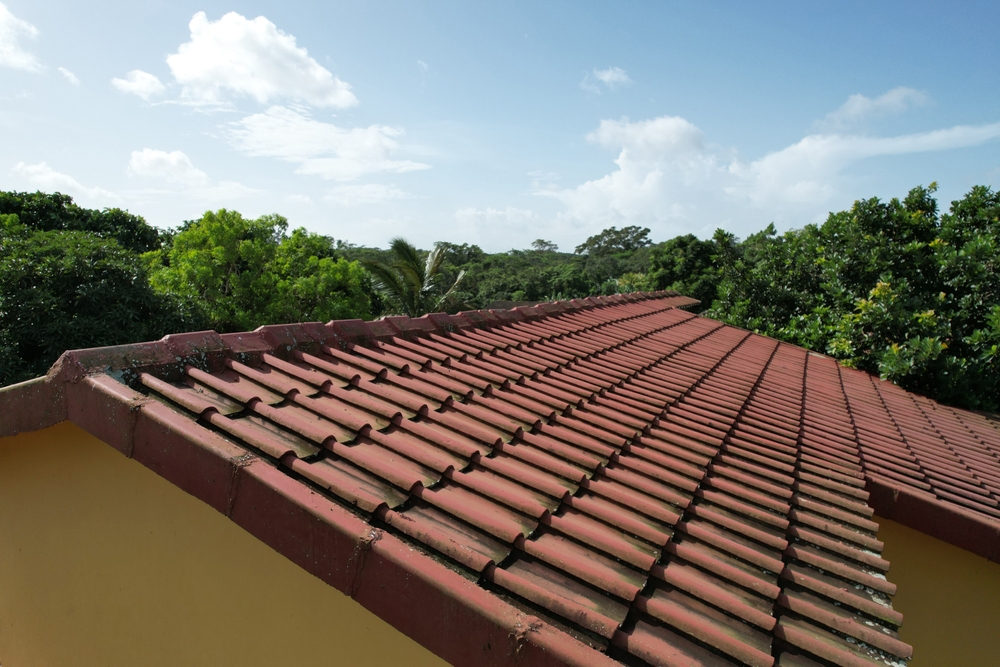
Roof examination should extend beyond the apparent to the subtle indicators of wear that can be just as telltale. Blistering or alligatoring, which appear as surface irregularities on the roofing material, are signs that your roof may be aging prematurely and require attention. Additionally, after a rainstorm, take the time to check for ponding water; this is a common issue that if not addressed, can drastically shorten the life span of your built-up roof.
Proactive Measures for Roof Longevity
A cornerstone of maintaining a robust built-up roofing system is proactive measures. Start with scheduled cleanings that can not only enhance the roof’s appearance but also its functionality—eliminating debris is vital for maintaining an unobstructed water discharge. Develop a cleaning routine that adapts to the seasonal shifts in Wichita, KS, especially with the increased foliage in the spring that can lead to blockages and moisture retention. By incorporating regular maintenance into your management plan, you’re not just cleaning; you’re protecting your investment.
Another pillar for roof health is the maintenance of the structural components that support your built-up roofing. Examine your roof’s flashing and edge details; these are crucial barriers that prevent water from breaching the roof’s defenses. If you’re unsure about the current state of your roofing, or if you discover damage during your inspection, reach out to Shamrock Roofing for a professional overview. Not only will this provide peace of mind, but it ensures that critical issues are addressed promptly and effectively by experts who know exactly what to look for.
Step 1: Inspect Your Built-Up Roof Regularly
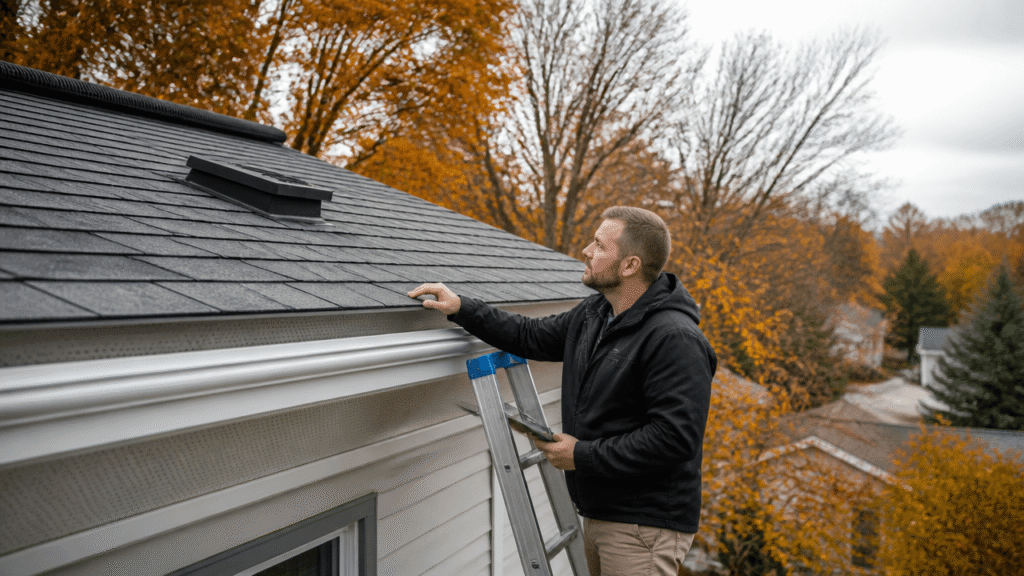
Establish a routine to visually inspect your built-up roofing, especially after severe weather conditions, to identify any visible signs of damage or wear.
Step 2: Clean Debris from the Roof Surface
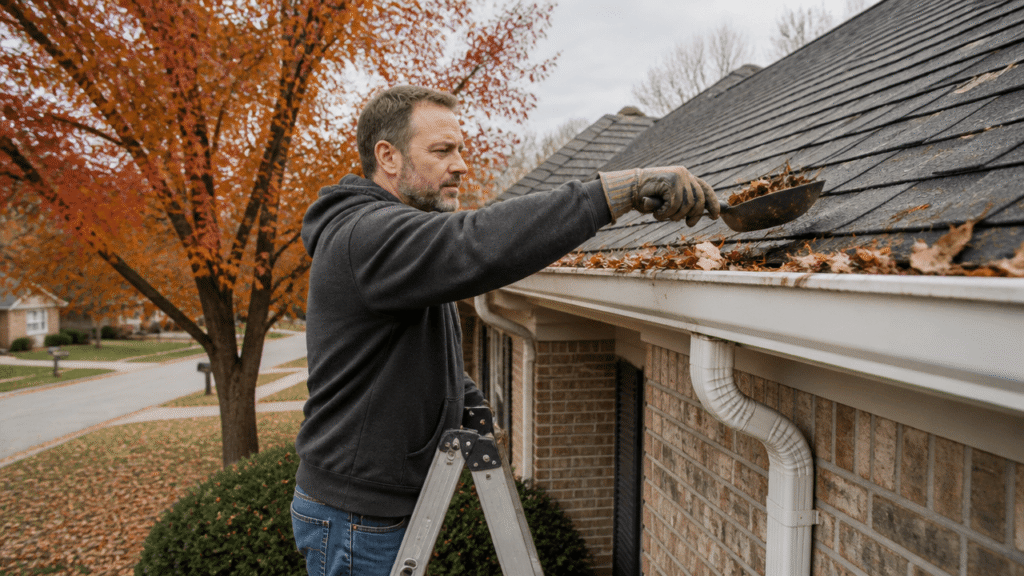
Remove leaves, branches, and other debris that accumulate on the roof. This will prevent water pooling and potential decay or damage to the roofing material.
Step 3: Check for Blistering or Alligatoring
Examine the roof for signs of blistering or alligatoring, which are common in built-up roofs as they age. These conditions should be addressed promptly to prevent further damage.
Step 4: Monitor for Water Ponding
Observe the roof after rainfalls to ensure proper drainage. Standing water can lead to premature aging of the roof membrane and should be corrected by a professional if noted.
Step 5: Maintain Flashing and Edge Details
Ensure that metal flashing and edge details are securely in place and free of rust or damage. These areas are vital for waterproofing and preventing leaks.
Step 6: Apply UV Protective Coatings
For added protection, consider applying a UV protective coating to shield the built-up roofing material from sun damage, which can extend the lifespan of the roof.
Step 7: Repair Damages Promptly
If damage such as tears, cracks, or splits is discovered during inspection, arrange for prompt repairs to prevent water infiltration and more extensive damage.
Step 8: Schedule Professional Inspections
At least annually, hire a professional roofing expert to conduct a thorough inspection and perform any needed maintenance, ensuring that your built-up roof remains in optimal condition.
Avoiding DIY Disasters: Common Maintenance Mistakes
When attempting to maintain your built-up roofing, it’s vital to know the pitfalls of the process. While it’s admirable to take initiative and conduct DIY roof maintenance, there are certain mistakes you’ll want to avoid. Understanding these common errors can save you time, money, and ensure the longevity of your roof.
Mistake 1: Neglecting Regular Inspections
Many homeowners fail to inspect their roofs regularly, especially after extreme weather, which is critical for spotting potential issues early on. Avoid this by establishing a consistent inspection routine particularly after events known to impact roofing systems.
Mistake 2: Inadequate Debris Removal
It’s easy to underestimate the importance of cleaning debris from your roof, yet doing so could prevent water pooling and decay. Ensure thorough removal of all debris, not just the larger, more visible pieces.
Mistake 3: Overlooking Small Signs of Wear
Blistering and alligatoring might seem minor initially, but they can indicate deeper roofing problems. Regularly check for these issues and address them before they worsen.
Mistake 4: Ignoring Water Ponding
Water ponding can be easily dismissed, especially if it eventually dissipates. However, it’s crucial to resolve these issues promptly to prevent premature aging of the roofing material.
Mistake 5: Improper Flashing and Edge Detail Maintenance
Flashing and edge details are essential for a watertight roof, but they are often neglected until leaks occur. Regular checks can ensure these components are in good condition and fully functional.
Mistake 6: Skimping on Protective Coatings
Many homeowners might consider UV protective coatings an unnecessary expense, which is a serious misconception. Apply these coatings as recommended to protect the roof from harsh sunlight and extend its service life.
Mistake 7: Delaying Repairs
When damage-like tears or splits are found, there can be a tendency to postpone repairs. However, it’s essential to arrange for immediate professional intervention to prevent further complications.
Mistake 8: Rare Professional Evaluations
Lastly, a significant error is not scheduling professional roof inspections at least annually. These evaluations are critical for detecting issues that are not always obvious to the untrained eye and for maintaining overall roof health.
Addressing Damages and Preventing Future Issues
Routine inspections might reveal some damage, even with the most diligent maintenance practices. When issues such as tears or cracks in the built-up roofing become apparent, timely repairs are essential to keep problems from escalating. Consulting with seasoned professionals from services such as Shamrock Roofing can ensure that repairs are done correctly and efficiently.
Fortifying Your Roof Against the Elements
Applying UV protective coatings is an excellent strategy for extending the lifespan of your roof in the sun-rich seasons of Wichita, KS. This protective measure not only guards against the harsh rays but also adds an extra layer of resilience against all types of weather. Ensure your roof is fortified to stand up to the challenges of each season, keeping your interior safe and secure.