• Why fall roof ventilation matters: Learn how cooler weather and trapped attic moisture can lead to roof damage, mold, and higher repair costs if airflow is not working well.
• 7 practical ventilation tips: Find simple, useful steps to check vents, spot moisture warning signs, and keep attic airflow moving before winter arrives.
• Answers to common questions: Get clear guidance on roof ventilation concerns so you can make smarter decisions about protecting your home in Des Moines.
Why Fall Roof Ventilation Matters
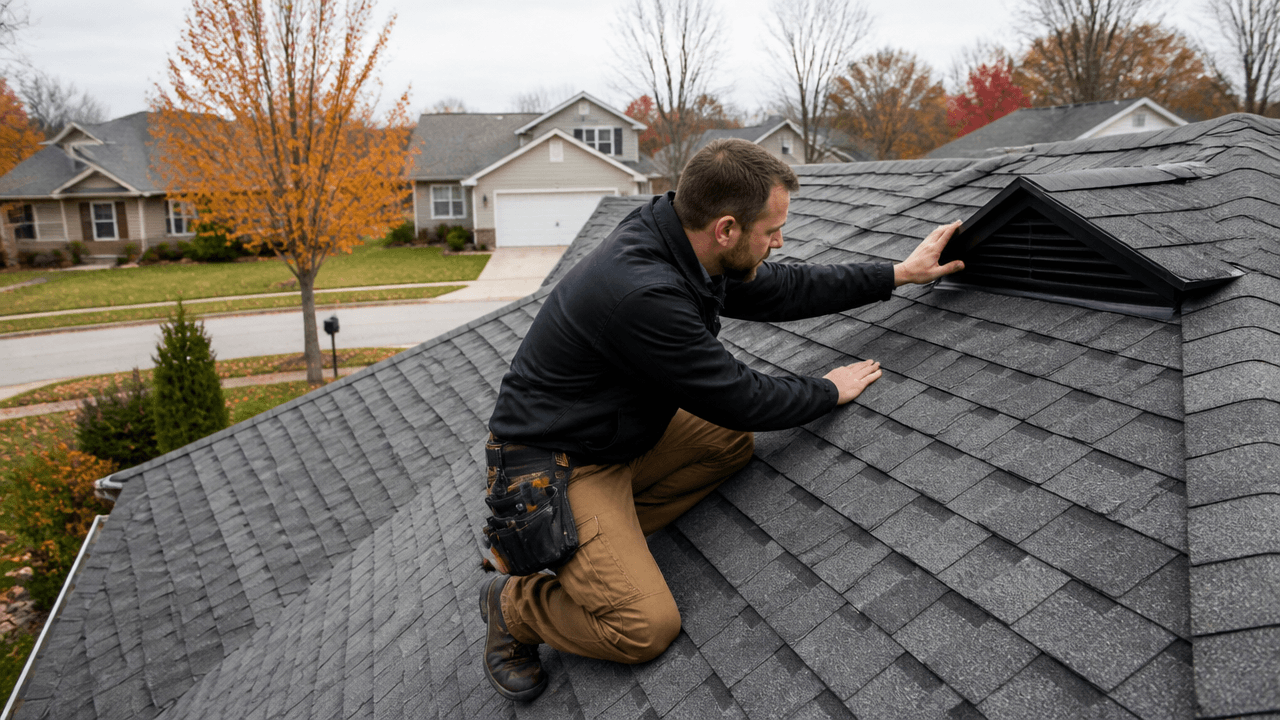
As the weather shifts in Des Moines, our roofs start facing a new set of challenges. Cooler days and damp air can trap moisture in the attic, and that can lead to bigger problems fast. When airflow is weak, small issues can turn into stains, musty smells, and damage that is harder to fix later.
That is why roof ventilation solutions for fall season matter so much for local homes. In this part of Iowa, temperature swings can create the kind of roof stress that often gets missed until the damage is already there. A quick check now can help us stay ahead of leaks, trapped heat, and rising repair costs.
We know how important it is to prepare before the colder months settle in. Our team at Shamrock Roofing helps homeowners spot the warning signs early and make smart choices for the season ahead. Fall is the right time to pay attention, because the right airflow can protect the roof long after the leaves are gone.
How Proper Airflow Helps Your Roof
Good attic airflow helps move warm, moist air out before it can build up under the roof deck. When that air stays trapped, it can raise the risk of mold, wood rot, and damage to insulation. It can also make it harder for your home to stay comfortable as temperatures keep changing.
A balanced system uses intake and exhaust points to keep air moving in the right way. That balance matters even more during fall, when cool nights and mild days can create extra moisture inside the attic. roof ventilation solutions for fall season are about more than comfort, because they help support the roof structure itself.
We also look at vents, soffits, and attic space as part of the full picture. If one part is blocked or not working well, the whole system can struggle. The sooner we find that problem, the easier it is to keep the roof working the way it should.
Tips from the Pros
🍂 Tip 1: Check for Blocked Vents
Leaves, dirt, and debris can block roof vents as fall settles in. When that happens, air cannot move the way it should, and moisture can stay trapped in the attic.
🌬️ Tip 2: Look for Weak Airflow
A stuffy attic is often a sign that air is not flowing well. If the space feels warmer or more humid than expected, the ventilation system may need attention.
🛠️ Tip 3: Inspect Soffit Openings
Soffit vents help pull fresh air into the attic, so they need to stay open and clear. If insulation or debris covers them, the roof may not get the intake air it needs.
💧 Tip 4: Watch for Moisture Stains
Dark spots on rafters, sheathing, or attic wood can point to excess moisture. These marks often show up before larger issues, so they are worth checking right away.
🏠 Tip 5: Keep Insulation from Covering Vents
Insulation should not block the path of attic airflow. When vents get covered, the system cannot work properly, and moisture may collect more easily during cool fall weather.
🔎 Tip 6: Check for Rust or Damaged Metal Parts
Rust on vent parts or fasteners can be a warning sign that moisture is lingering too long. Damaged metal pieces may also reduce how well the ventilation system moves air.
🌡️ Tip 7: Pay Attention to Temperature Swings
Big changes between daytime warmth and nighttime cold can raise attic moisture levels. That is one reason roof ventilation solutions for fall season are so useful in Des Moines.
📋 Tip 8: Schedule a Roof Check Before Winter
A fall inspection gives us time to catch problems before snow and ice arrive. This simple step can help prevent small ventilation issues from turning into more costly roof trouble.
Frequently Asked Questions
Why is roof ventilation important in the fall?
Yes, roof ventilation is important in the fall because it helps control moisture and keeps attic air moving. When airflow is poor, warm indoor air can linger and create conditions that may damage roof materials over time.
What are common signs of poor attic ventilation?
Yes, common signs include musty smells, moisture stains, and a hot or stuffy attic. In some homes, you may also notice damp insulation or signs of condensation on wood surfaces.
How often should we check roof ventilation?
Yes, we should check roof ventilation at least once a year, and fall is a smart time to do it. That timing helps catch blocked vents, damaged parts, or airflow problems before colder weather makes them worse.
Can poor ventilation damage a roof?
Yes, poor ventilation can damage a roof by allowing moisture to build up in the attic. Over time, that moisture can lead to rot, mold, and wear on roofing materials.
What should we look for in roof ventilation solutions for fall season?
Yes, we should look for clear airflow, open vents, and signs that moisture is being managed well. The best roof ventilation solutions for fall season support balanced attic air and help the roof stay dry as temperatures change.
Final Thoughts on Fall Roof Care
Fall is one of the best times to stay ahead of roof problems in Des Moines. A good ventilation setup can help protect the attic, support the roof structure, and reduce moisture-related damage before winter arrives.
We believe small checks now can save a lot of stress later. If you want to stay informed about local roofing care and seasonal updates, follow us on social media.