• Practical Tips for Attic Moisture Control
• Importance of Professional Help
• Stay Informed and Engaged
Identifying Attic Moisture Issues
Your home’s attic is not just an empty space; it’s a crucial component of your house’s overall health, particularly when it comes to moisture management. In the bustling city of Kansas City, where spring can bring varying weather patterns, keeping a vigilant eye for signs of attic moisture is key. Look for water stains on the wooden beams or discoloration on insulation, as these can be clear indicators of a dampness problem. A musty smell in the attic is more than just unpleasant; it’s a telltale sign that moisture has been lurking in your space.
Tools for Diagnosing Humidity
After spotting potential signs of excess moisture, the next step is to quantify the issue. A hygrometer, an instrument designed to measure humidity, will be your ally in this task; it’s an essential tool for all homeowners. If readings are consistently above 50%, it’s a sign that your attic is too humid, a state that can lead to mold growth and other moisture-related problems. Keeping humidity levels in check is not only important for the structural integrity of your home but also for the health of its occupants.
Preventative Measures
Moisture control in your attic is paramount, and a proactive approach can prevent larger issues from developing. Ensuring that the attic is well-sealed from air leaks near windows, doors, and intersections of walls and floors is a critical action point. Use high-quality caulk and weather stripping to effectively seal these spots and stop the flow of moist air. Remember, good attic ventilation is another cornerstone of a dry and healthy attic, reducing the risk of mold and wood rot that moisture can bring.
Creating a Moisture-Resistant Attic Space
Assuring that your Kansas City attic can resist moisture begins with structured insulation. A primary line of defense, properly installed insulation acts as a thermal barrier and helps maintain consistent temperatures, reducing the potential for condensation. It’s crucial to choose insulation with a vapor barrier and to install it without compressing the material, as this can diminish its effectiveness. If you’re unsure about the condition of your attic insulation or need guidance on selecting the right type, consider seeking professional insights from Shamrock Roofing’s dedicated roof replacement services.
Enhancing Your Attic’s Defenses
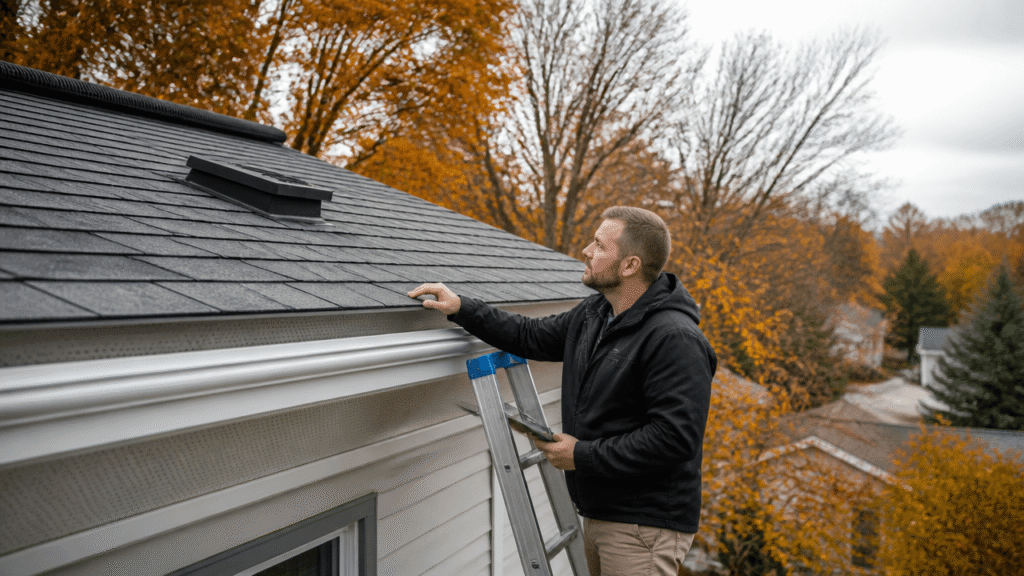
Regular attention to your roof’s integrity is an often overlooked aspect of moisture control in the attic. Inspect your roof seasonally for potential leaks, missing shingles, or other damages that could allow water to seep into the attic. Any signs of damage demand immediate action; even small leaks can lead to significant moisture buildup over time. To assist with thorough inspections or necessary repairs, Shamrock Roofing’s renowned roof replacement expertise is just a click away, ready to fortify your home against the elements.
Step 1: Assess the Attic Environment
Begin with inspecting your attic for signs of moisture, such as water stains, mold, or a musty smell. Use a hygrometer to measure humidity levels and identify if they’re higher than the recommended 30-50% range.
Step 2: Seal Air Leaks
Search for air leaks around attic windows, doors, and where the attic floor meets the walls. Use caulk and weather stripping to seal these leaks and prevent warm, moist air from entering the attic.
Step 3: Improve Ventilation
Ensure your attic has adequate ventilation. Check and clear vents from insulation or other blockages. If necessary, install additional vents to promote air circulation.
Step 4: Use a Dehumidifier
If humidity levels are persistently high, use a dehumidifier to regulate moisture levels. Remember to regularly empty the dehumidifier’s collection reservoir.
Step 5: Install Proper Insulation
Check existing insulation for moisture resistance. Upgrading to insulation with a vapor barrier can help control moisture. Ensure it’s properly installed and covers the attic floor uniformly without blocking vents.
Step 6: Check Roof Integrity
Inspect the roof for damages such as missing shingles or faults that may allow water intrusion. Timely repairs can prevent moisture from seeping into the attic.
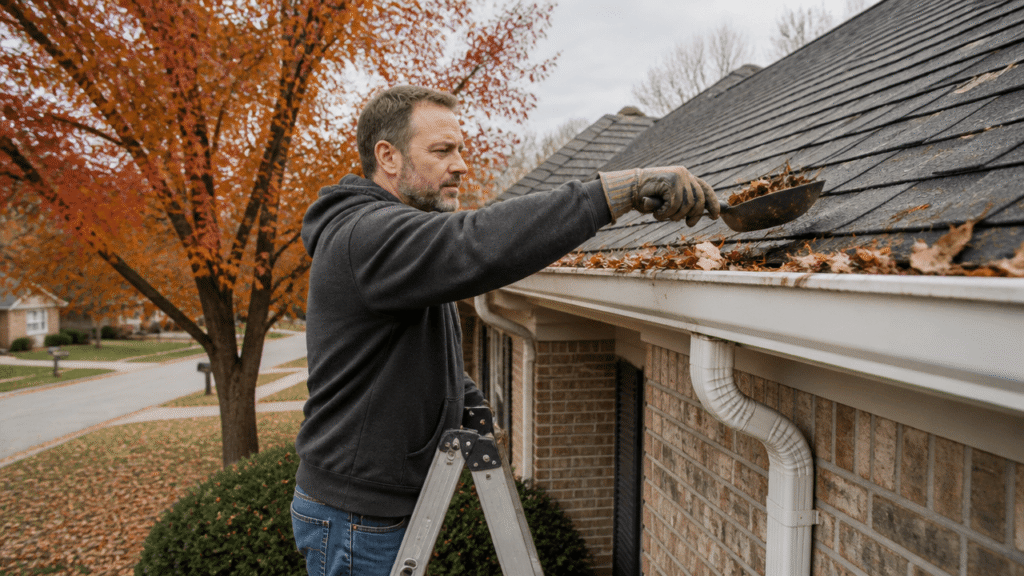
Step 7: Maintain Gutters and Downspouts
Ensure that gutters and downspouts are clear of debris and functioning properly. Water should be effectively channeled away from your home to avoid pooling and seepage into the attic.
Step 8: Regular Inspections
Semi-annual inspections of the attic should be conducted to detect any new signs of moisture problems and confirm that previous corrective actions are holding up over time.
Steering Clear of Attic Moisture Control Missteps
Tackling attic moisture control can be a daunting DIY project, and while homeowners’ initiatives are commendable, certain pitfalls can complicate the process. It’s important to navigate this undertaking with care to ensure your efforts yield the best results and don’t inadvertently contribute to the problem. This section highlights common errors to avoid, helping you sidestep the traps that many fall into when attempting to safeguard their attics from moisture.
Mistake 1: Neglecting Initial Inspections
Failing to thoroughly inspect the attic before starting can lead to overlooking critical signs of moisture. To avoid this, make sure to inspect the attic comprehensively for any water stains, mold growth, or musty odors, which indicate a humidity problem. Utilize a hygrometer to accurately measure the humidity levels and take action if they exceed the 30-50% range.
Mistake 2: Inadequate Sealing of Air Leaks
Many DIYers underestimate the importance of air sealing or do it incorrectly. Ensure you identify all potential air leaks around windows, doors, and other junctions, and use the right types of caulk and weather stripping to seal them properly. This will prevent warm, moist air from entering and causing condensation issues in the attic.
Mistake 3: Overlooking Ventilation Needs
Another common blunder is not providing sufficient ventilation in the attic space. Always check existing vents for any obstructions and consider installing additional ones if necessary, to promote continuous air circulation and reduce moisture buildup.
Mistake 4: Misusing Dehumidifiers
Some people either choose the wrong size dehumidifier or forget regular maintenance, like emptying the water reservoir. Select a dehumidifier that’s appropriate for the size of your attic and be diligent in its maintenance to ensure it operates effectively in maintaining optimal humidity levels.
Mistake 5: Incorrect Insulation Installation
Installing insulation without a vapor barrier or not covering the attic floor uniformly can lead to moisture issues. When installing insulation, make sure to use materials that include a vapor barrier and thoroughly cover the space without compressing the material or blocking any vents.
Mistake 6: Delayed Roof Repair
Delaying necessary roof repairs is a critical error, as even minor leaks can cause major moisture problems over time. Regularly inspect your roof and promptly address any issues to prevent water from penetrating the attic.
Mistake 7: Neglecting Gutters and Downspouts
Ignoring the maintenance of gutters and downspouts can result in water accumulating and potentially entering the attic. Keep them clear of debris and ensure they are properly channeling water away from the house.
Mistake 8: Infrequent Attic Inspections
Finally, a lack of regular attic check-ups can allow small problems to escalate. Set a schedule for semi-annual inspections to catch and rectify any new moisture issues and ensure that all measures taken are still effective.
The Role of Gutters in Attic Moisture Prevention
Gutters play a vital role in attic moisture control by directing rainwater away from your house. Improper gutter maintenance can lead to water buildup around the foundation, which can seep into the attic, creating an ideal environment for mold and rot. To protect your attic from such threats, regularly clean your gutters and ensure they are free from debris, or consider expert gutter installation by Shamrock Roofing to ensure optimal function and design.
Consistent Inspection and Maintenance
Consistency is key when it comes to preventing attic moisture issues. By conducting biannual attic inspections, you can catch and address moisture-related problems before they escalate. Look for any new signs of moisture or check to ensure that previous measures remain effective, and don’t hesitate to call in the professionals at Shamrock Roofing for a comprehensive evaluation and service.
Visit us through our social media page for up to date news and new projects we’re working on.