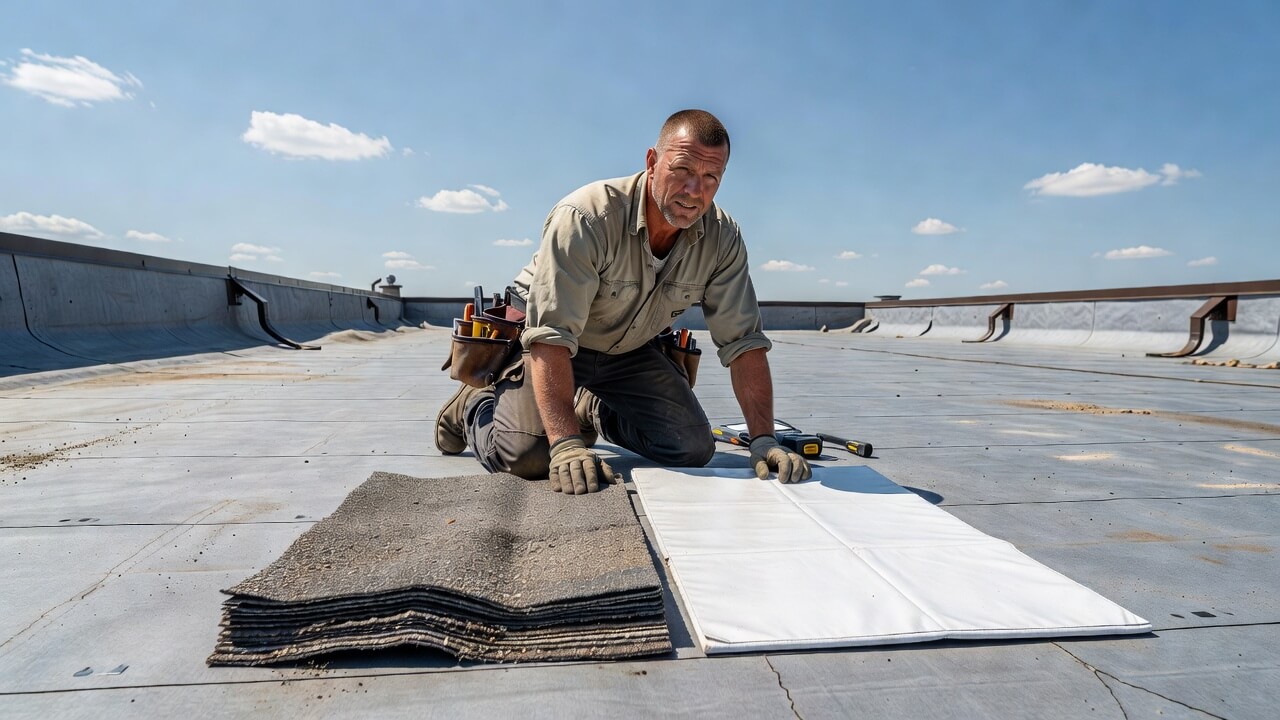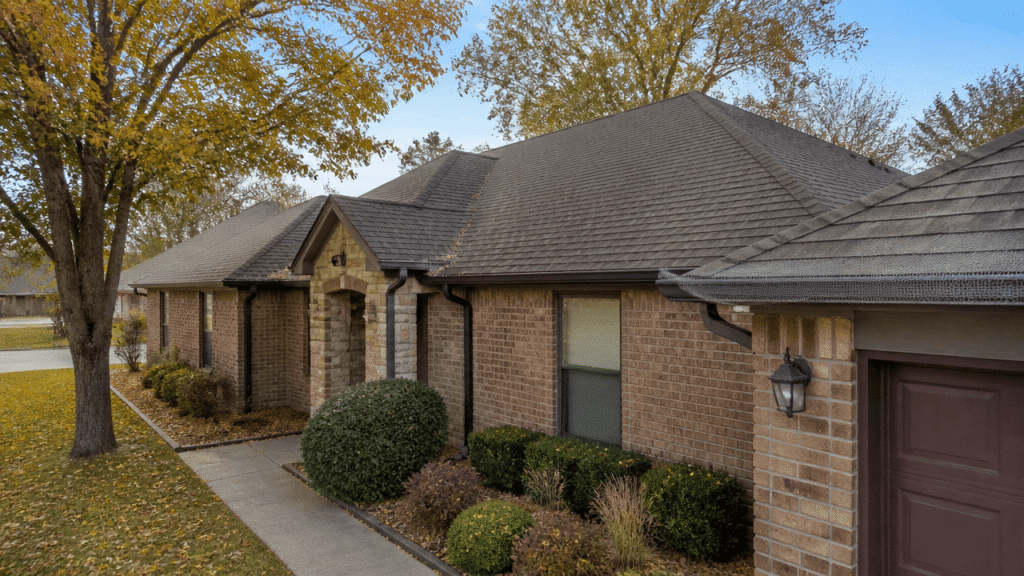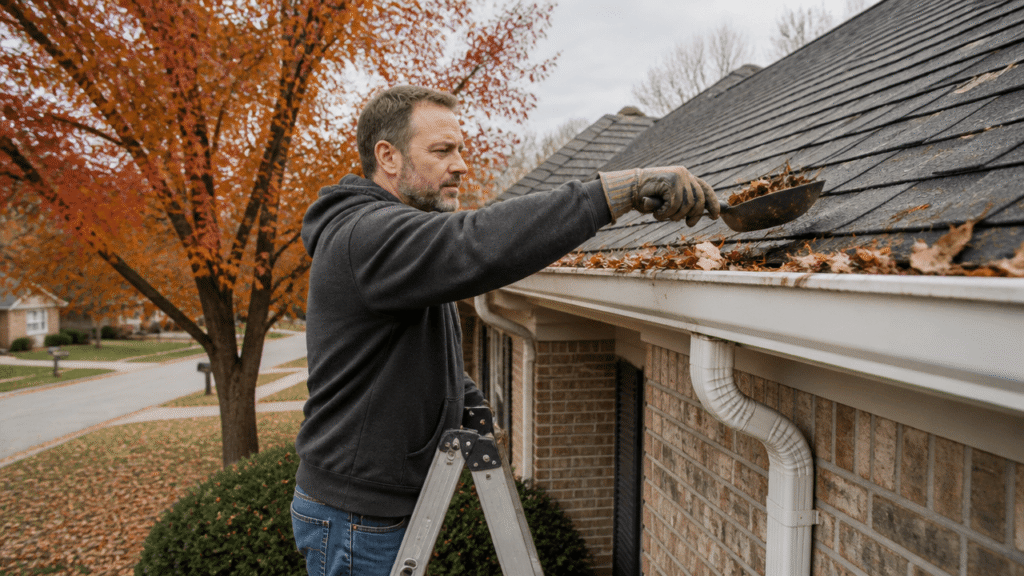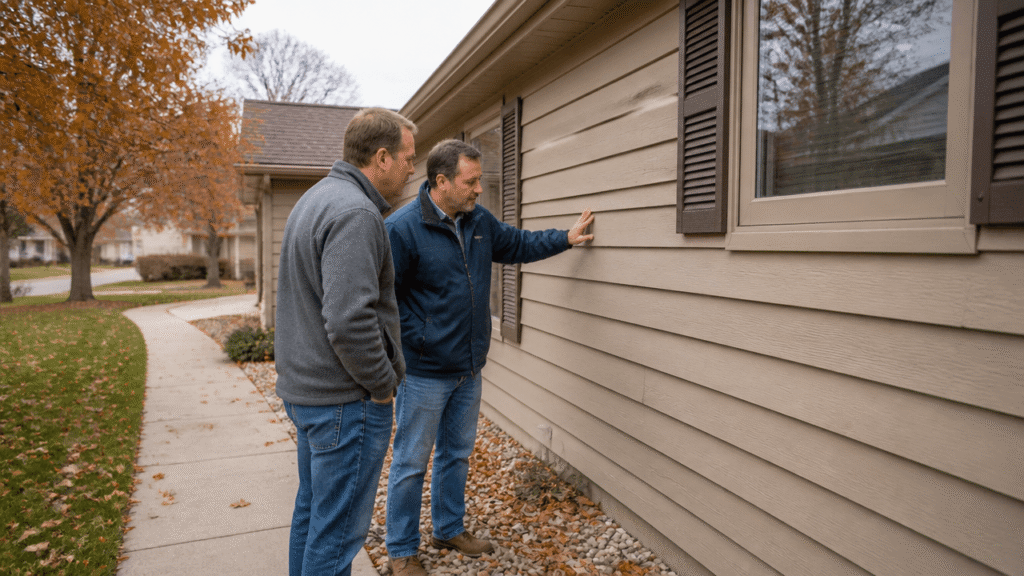
• Built-up roofing uses layered materials for steady protection, while TPO offers a single-ply option that can reflect more summer heat.
• For Liberty, MO properties, the best choice depends on roof condition, drainage, upkeep needs, and how well the system handles seasonal weather.
• These tips help you compare both roofing types fast so you can make a smarter decision before small roof issues turn into costly repairs.
Why Summer Roof Choices Matter in Liberty
When summer heat settles over Liberty, MO, roof systems take a real beating. For business owners comparing built-up roofing vs TPO compared, the wrong choice can lead to added wear, higher repair needs, and more stress during the busiest stretch of the season. We know that a roof is not something you want to second-guess when temperatures climb.
A flat or low-slope roof can perform well, but it needs the right material for the building and the weather. Built-up roofing and TPO each handle heat, water, and daily use in different ways, which makes the decision worth careful attention. If your roof is already showing signs of trouble, now is the time to look at options like commercial roofing services before small issues grow.
We help property owners make smart roofing decisions that fit local conditions and real-world needs. In a summer season like this, roof performance matters because hot surfaces, sudden storms, and long sun exposure can all create problems fast. That is why understanding the differences between these systems can save time, money, and worry.
How These Roof Systems Compare
Built-up roofing uses multiple layers to form a strong surface, while TPO relies on a single-ply membrane that is often chosen for its reflective finish. In simple terms, built-up roofing is known for its layered protection, and TPO is often valued for its lighter design and heat-friendly surface. For Liberty buildings, the best fit depends on the slope, use, and condition of the roof.
We often remind property owners that no roofing system is right for every building. Built-up roofing may offer solid protection for certain structures, while TPO can work well when energy use and summer heat are major concerns. When a roof is nearing replacement, it helps to review the full scope of options through our roof replacement services so the choice supports long-term value.
The real key is matching the roof to the building instead of picking based on name alone. built-up roofing vs TPO compared is not just about materials, but about how each system handles weather, upkeep, and daily demands in Missouri summers. That is why a careful look at your roof’s age, drainage, and current condition matters before making a final decision.
Tips From The Pros
🌞 Tip 1: Watch Roof Temperature
Summer heat can make roof surfaces expand and weaken over time. TPO is often picked for its lighter-colored surface, which can help reflect more sunlight than darker roofing materials.
🔎 Tip 2: Check for Surface Wear
Look for cracking, bubbling, or open seams on older roofs. These signs can point to moisture trouble or aging materials that need attention before the next storm hits.
💧 Tip 3: Pay Attention to Drainage
Flat and low-slope roofs need water to move off the surface quickly. Standing water can shorten the life of both built-up roofing and TPO if it is ignored.
🛠️ Tip 4: Match the Roof to the Building
A roof should fit the structure, not just the budget. Built-up roofing may work well for some buildings that need layered protection, while TPO can suit properties that want a lighter membrane system.
📋 Tip 5: Review Past Repairs
If a roof has been patched many times, it may be time to compare replacement options. Repeated repairs can signal that the system is reaching the end of its useful life.
🌧️ Tip 6: Plan for Summer Storms
Liberty summers can bring strong rain and wind, so roof seams and edges should be in good shape. A roof that is ready for sudden weather changes is less likely to develop leaks.
⚖️ Tip 7: Compare Long-Term Needs
Do not focus only on the first cost. Think about upkeep, roof lifespan, and how well the system will handle heat and water over time.
📍 Tip 8: Use Local Roofing Knowledge
A roof in Liberty, MO faces weather patterns that matter when choosing materials. Working with a team that understands local conditions can make the built-up roofing vs TPO compared decision much easier.
Frequently Asked Questions
Which is better for summer heat, built-up roofing or TPO?
TPO is often a strong choice for summer heat because its surface is usually lighter and more reflective. Built-up roofing can still perform well, but it tends to absorb more heat depending on the surface finish.
Is built-up roofing still a good option for commercial buildings?
Yes, built-up roofing is still a good option for many commercial buildings. It is valued for its layered construction and durability on low-slope roofs.
How do I know if my roof needs replacement instead of repair?
You likely need replacement if the roof has repeated leaks, large areas of wear, or ongoing seam problems. A roof that keeps failing in different spots is often past simple repair work.
What should I compare when looking at built-up roofing vs TPO compared?
You should compare heat resistance, maintenance needs, lifespan, and how each system fits your building. The best choice depends on the roof’s condition, the structure, and your long-term goals.
Can weather in Liberty, MO affect roof choice?
Yes, weather in Liberty, MO can affect roof choice because summer heat and seasonal storms put stress on roofing systems. A roof that handles both sun exposure and water runoff well will usually hold up better over time.
Final Thoughts for Liberty Property Owners
Choosing the right roof is not just about material names. It is about how that system will perform in Liberty’s summer weather, how much upkeep it will need, and how well it supports the building over time. When you look closely at built-up roofing vs TPO compared, the best answer is the one that fits your roof, your budget, and your long-term plans.
We are here to help you make that decision with confidence and clear information. If you want to stay connected with our team, follow us on Facebook.