• Spot problems early: A metal roof inspection helps catch rust, loose fasteners, seam gaps, and drainage issues before they turn into expensive damage.
• Follow a clear process: Start with a ground check, then review fasteners, seams, flashing, and interior signs so you can find weak spots fast.
• Avoid common DIY mistakes: Skipping small warning signs, overlooking the inside of the building, and waiting too long for help can make roof problems worse.
Why Fast Action Matters for Metal Roof Care
In Omaha, summer heat can wear on a commercial roof faster than many owners expect. Small issues on metal panels can grow into leaks, rust, or loose seams if they are not caught early. That is why a commercial metal roofing inspection explained in simple terms can help protect your building before small damage turns into a bigger repair bill.
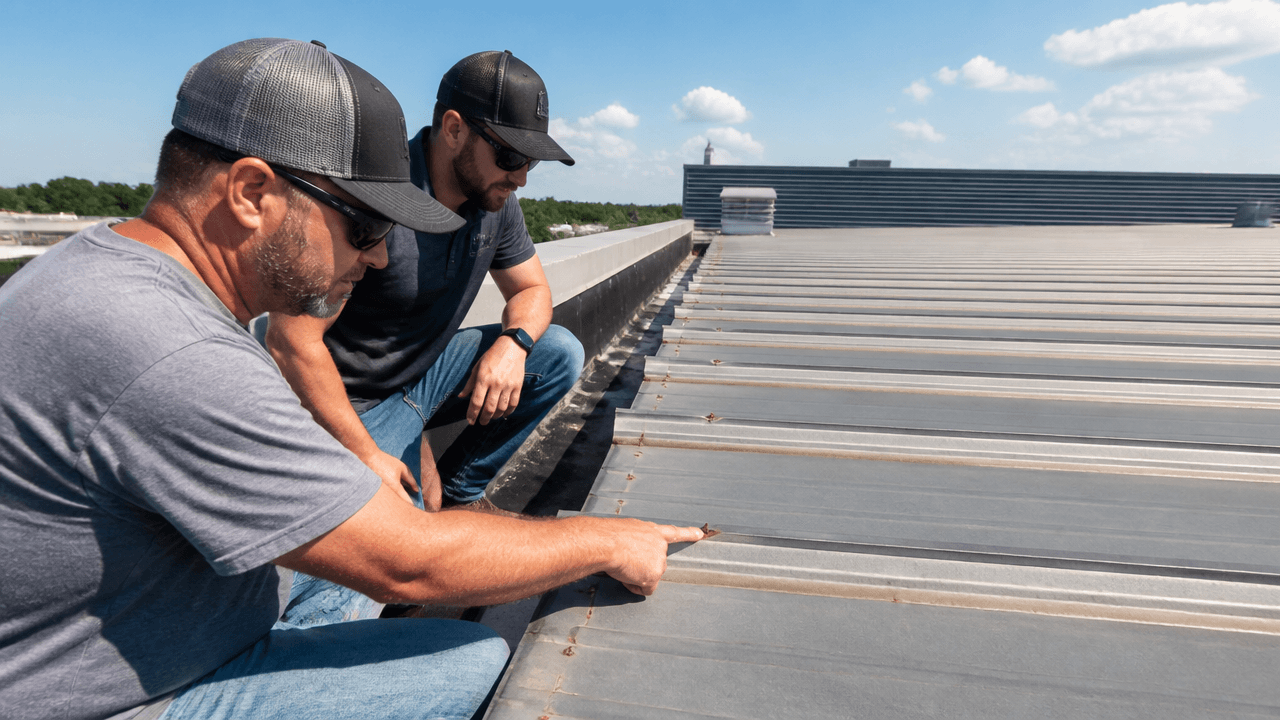
When we look at a metal roof, we are not just checking for visible dents or missing fasteners. We are also watching for movement at seams, worn sealant, and signs that water may be slipping under the panels. If those warning signs are ignored, the roof may keep working for now while hidden damage keeps spreading.
A roof problem rarely waits for a good time to show up. Hot August weather in Omaha can make weak spots stand out, especially on large commercial roofs that take constant sun and wind. By staying ahead of those changes, we help property owners keep their buildings safer, drier, and ready for daily use through the rest of the season.
How We Check Metal Roofs the Right Way
A good inspection starts with a close look at the roof surface, seams, and edges. We check for lifted panels, loose screws, rust spots, and areas where water may have started to collect. For businesses that need help beyond the roof itself, our commercial roofing services can support the full system when repairs or next steps are needed.
We also pay attention to nearby parts that affect roof performance, such as flashing, drainage areas, and places where different materials meet. These spots often show wear first because they take more stress from weather and movement. A careful review makes it easier to catch trouble early, before a small issue turns into a larger fix that interrupts business.
Step-by-Step Guide to Inspect a Metal Roof
🔍 Step 1: Check the Roof From the Ground
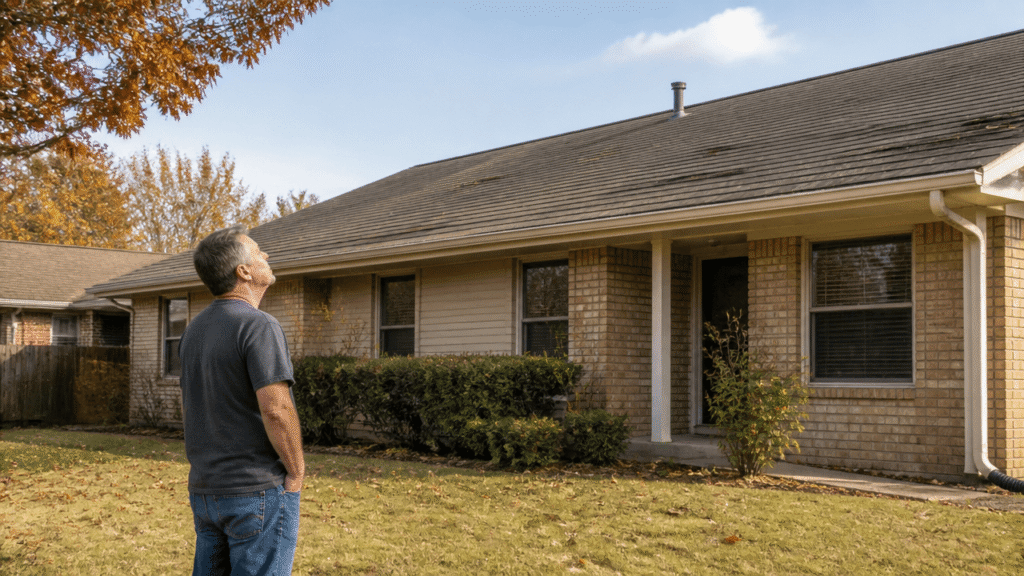
Start by looking for visible signs of trouble like bent panels, streaking, or damaged edges. This first pass helps you spot areas that need a closer look without stepping onto the roof too quickly.
🧰 Step 2: Look for Loose Fasteners
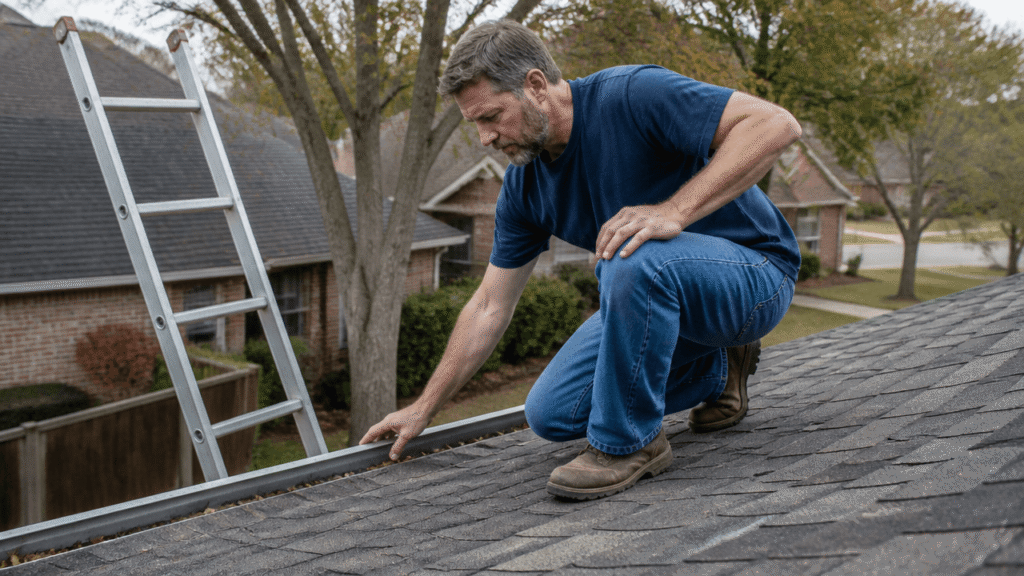
Fasteners can work loose over time as the roof expands and contracts in the heat. Missing or raised fasteners can leave openings where water may enter, so they should be noted right away.
🧽 Step 3: Inspect for Rust or Corrosion
Check the panels, seams, and trim for orange or brown spots that show metal wear. Rust can spread if it is not caught early, especially in places where water tends to stay longer.
🧪 Step 4: Review Seams and Flashing
Seams and flashing are common places for leaks because they handle movement and weather stress. Look for gaps, cracked sealant, or lifting edges that could let water reach the roof deck.
🌧️ Step 5: Watch for Drainage Problems
Make sure water can move off the roof the way it should. Standing water or clogged drainage areas can add stress to metal roofing and may speed up wear.
📋 Step 6: Check Inside for Signs of Leaks
Look in the building for stains, damp spots, or ceiling damage under the roof area. Interior marks often show that a roof issue has already started, even if the outside still looks mostly fine.
🔧 Step 7: Note Areas Needing Repair
Write down any damaged spots so they can be handled in the right order. A simple list helps keep small problems from being forgotten during a busy season.
👷 Step 8: Schedule Professional Follow-Up
If the roof shows signs of wear, a trained crew should review it before the damage spreads. This is the best way to confirm what needs repair and what still has usable life left.
Common Mistakes to Avoid
Many roof problems get worse because people wait too long to act. A DIY check can help with early spotting, but only if it is done carefully and with the right focus. These mistakes often happen when someone rushes through the process or only looks at the most obvious areas.
- ⚠️ Mistake 1: Only Looking at the Roof Surface
This happens when someone checks the panels but skips seams, flashing, and drainage points. The problem is that many leaks start in the smaller areas, not the wide open sections. To prevent this, inspect every part that helps the roof stay sealed and dry. - ⚠️ Mistake 2: Ignoring Small Rust Spots
Small rust marks are easy to brush off because they may not seem urgent at first. They often grow when moisture keeps reaching the same area, which can weaken the metal over time. The best prevention is to note every rust spot and watch it closely before it spreads. - ⚠️ Mistake 3: Missing Loose Fasteners
This mistake happens when people do a quick visual check and assume everything is tight enough. Loose fasteners can leave open points that let water in during storms or heavy rain. Prevent this by checking fastener heads carefully and marking any that sit high or look damaged. - ⚠️ Mistake 4: Forgetting the Inside of the Building
Some people focus only on what they can see outdoors and never look below the roof line. That can cause them to miss early signs like stains, peeling paint, or damp spots inside the building. Prevent this by checking interior ceilings and upper walls during every inspection. - ⚠️ Mistake 5: Waiting Too Long for Professional Help
A DIY review can show that something is wrong, but it cannot confirm the full extent of the damage. People often wait because they hope the issue is minor or they want to avoid a repair cost. The safest move is to get a skilled roofing team involved once a problem is spotted.
Frequently Asked Questions
What is a commercial metal roof inspection?
Yes, a commercial metal roof inspection is a detailed check of the roof’s surface, seams, fasteners, flashing, and drainage areas. It helps find signs of wear, leaks, and corrosion before they turn into larger problems. A careful inspection also shows whether the roof needs simple maintenance or more serious repair.
How often should a commercial metal roof be inspected?
Yes, a commercial metal roof should be inspected at least twice a year and after major storms. Regular checks help catch damage early, especially after hot weather, strong wind, or heavy rain. For Omaha buildings, seasonal changes can make this routine even more important.
What are the first signs of metal roof trouble?
Yes, the first signs often include rust spots, loose fasteners, lifted seams, and water stains inside the building. These issues may seem small at first, but they can point to bigger roof movement or seal failure. Catching them early is the key to avoiding wider damage.
Can I do a commercial metal roofing inspection myself?
Yes, you can do a basic visual check yourself if you stay safe and focus on clear warning signs. A full commercial metal roofing inspection explained by a professional is still the better choice when you need a true damage check. DIY checks are useful for spotting problems, but they do not replace trained eyes.
Why is summer a good time to inspect a metal roof in Omaha?
Yes, summer is a smart time because heat can make weak points show up more clearly on a metal roof. In Omaha, sun and storms can both add stress to panels, seams, and fasteners. That makes summer inspections helpful for catching issues before fall weather brings more moisture and wind.
Wrapping Up the Inspection Process
A metal roof can last a long time when problems are caught early and handled the right way. By checking the outside, the inside, and the small details in between, we can help stop minor damage from spreading. That is the core idea behind staying ahead of roof trouble in a busy season.
When a business owner understands what to look for, it becomes easier to protect the building and plan repairs with more confidence. We believe that clear steps, careful checks, and timely action make the biggest difference for commercial roofs in Omaha. If you want to stay connected with our team, you can follow us on Facebook.