• Comparing Commercial and Residential Roofing: Analyzing major distinctions between commercial and residential roofing systems regarding materials, design, and installation processes.
• Insights into Durability and Cost: A deep dive into the longevity, maintenance requirements, and cost implications for different types of roofing, highlighting considerations for owners and investors.
• Professional Guidance for Roofing Projects: Offering expert recommendations for choosing the right roofing based on building type, with emphasis on the impact of local climate conditions and architectural styles.
Understanding Your Roof’s Impact
Making the right choice between commercial and residential roofing is not just a decision—it’s an investment into the future of your property. This choice directly affects your property’s structural integrity, energy efficiency, and ultimately, its market value. With weather patterns shifting and material technology advancing, now, more than ever, property owners need to be vigilant in their roofing choices. Whether managing a sprawling commercial enterprise or safeguarding the comfort of your own home, knowing the differences and impacts of each roofing type is indispensable. The decision can seem daunting, but with the right information, property owners can navigate this critical crossroads with confidence.
Commercial properties require roofing solutions that go beyond mere aesthetics—they demand durability, energy management, and adaptability to a variety of uses. Considering the flat or low slope nature of many commercial buildings, owners must understand the unique material and drainage requirements that come with these structures. **For example, materials like PVC offer longevity and reflectivity that can decrease energy costs over time**. Each roofing material brings its set of complexities, and for commercial roofs, this often means a more intricate installation process. It’s not just about choosing a roof; it’s about choosing a roof that will stand the test of time and the rigors of commercial demands.
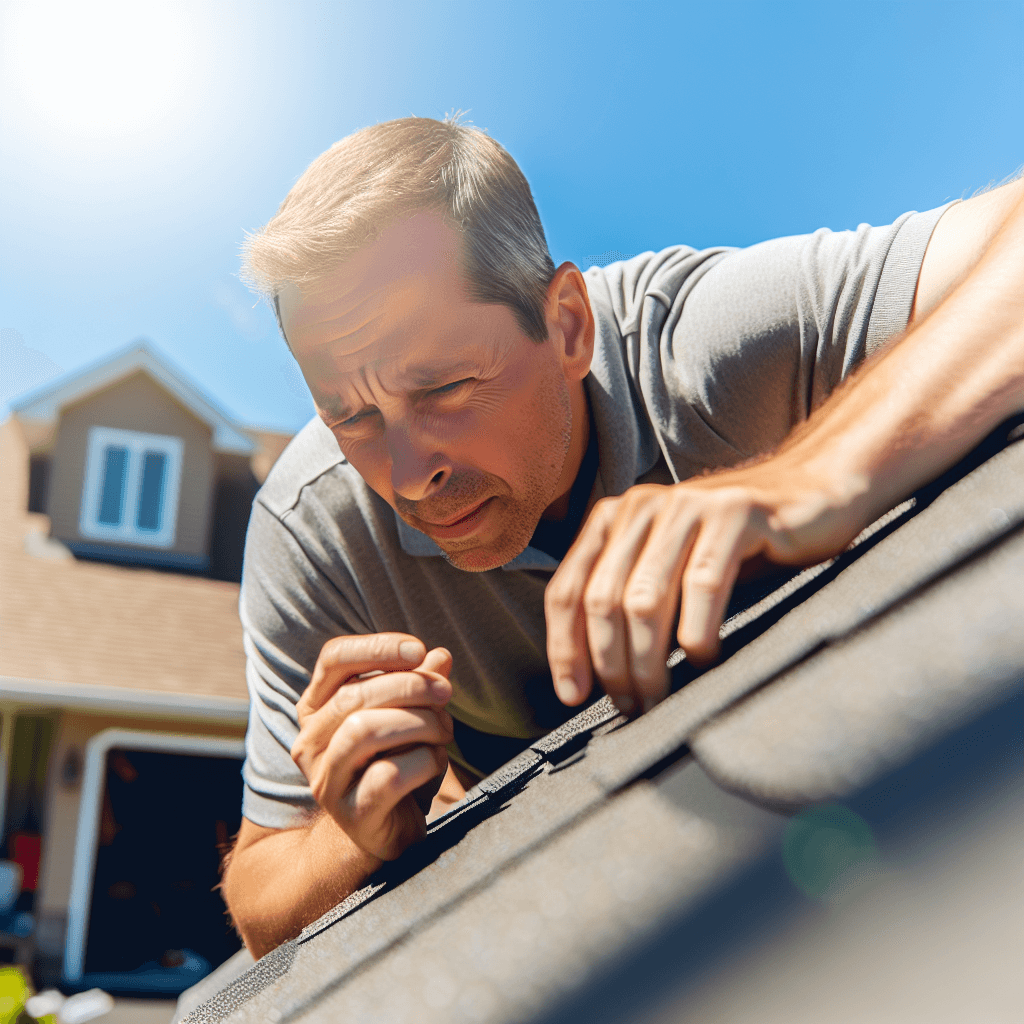
On the flip side, residential roofing selections resonate deeply with homeowners’ personal styles and practical needs. Residential roofs tend to have a steep slope, which necessitates materials that cater to both function and form. Asphalt shingles, for instance, are popular for their cost-effectiveness and versatility in design, giving homes a traditional or modern look while ensuring reliable protection. The personal nature of residential roofing means that each selection must reflect the homeowner’s lifestyle and the home’s architectural style. Ultimately, the aim is to create a space that feels secure and looks inviting, all while ensuring the longevity that every homeowner desires.
Delving into Commercial Roofing Complexities
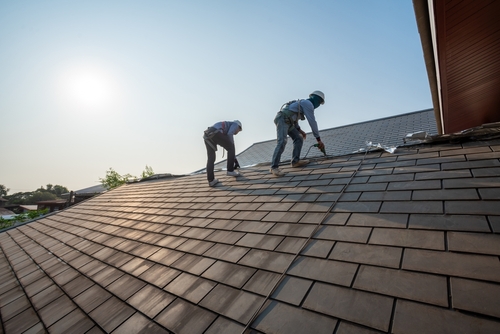
The engineering behind commercial roofing caters to large-scale operations, warranting a meticulous selection of materials and installation techniques. These roofs need to withstand not just the elements but also the additional mechanical equipment typically housed atop commercial buildings. With flat or low-slope designs predominating, commercial roofs have to accommodate heavier loads, ensure proper drainage, and often support high foot traffic for maintenance operations. The selection of a commercial roof must, therefore, take into consideration long-term performance and ease of maintenance. At Shamrock Roofing, such considerations are paramount to providing dependable commercial roofing services tailored to specific business needs.
Residential Roofing: Style Meets Substance
Residential roofing, on the other hand, enjoys more stylistic diversity, often serving as a visual crown for a homeowner’s personal retreat. From traditional shingles to modern composites, residential roofs reflect individual tastes and the character of the neighborhood. They can also contribute significantly to a home’s energy efficiency, with options like cool roofs reflecting solar energy and reducing cooling costs. Material choice for residential roofing is about balancing durability, aesthetic value, and cost, serving to elevate a house to a home. True expertise in residential roofing, as demonstrated by specialists at Shamrock Roofing, encompasses both understanding a homeowner’s vision and ensuring it’s realized with integrity.
Installation and Maintenance: Ensuring Roof Longevity
Whether it’s roofing for an office complex or a cozy bungalow, the installation process is as critical as the materials used. Skilled craftsmen at Shamrock Roofing ensure that every roof is installed with precision and care, regardless of its scope. The complexities of commercial roofing may involve coordination across various trades, while residential projects often allow for more direct interaction with homeowners. Regular maintenance is the key to a prolonged life for any roof, with proactive steps taken to avoid costly repairs or replacements down the line. Both commercial and residential roofs benefit immensely from the attention to detail and ongoing support provided by experienced roofing professionals.
Roofing Wisdom: Making the Best Choice
Tip 1:
When considering commercial roofing, prioritize longevity and energy efficiency. Materials like PVC or TPO offer reflectivity to save on energy costs and are designed for durability.
Tip 2:
For residential roofs, weigh the aesthetic appeal against maintenance requirements. Asphalt shingles provide variety in color and style but may require more frequent upkeep due to weather elements.
Tip 3:
Understand the impact of roof slope on your roofing decision. Flat roofs might be suitable for commercial needs, offering easier access for maintenance, while sloped roofs are ideal for water runoff in residential settings.
Tip 4:
Factor in the regional climate when selecting roofing materials. Commercial roofs in areas with extreme weather may benefit from built-up roofing for better protection, while metal roofing can be a durable option for homes.
Tip 5:
Invest in regular roof inspections, regardless of the roofing type. Professional evaluations can highlight small issues before they become costly problems, ensuring the longevity of your roof investment.
Your Roofing Questions Answered
What are the main differences in durability between commercial and residential roofing?
Commercial roofing is designed for longevity and to withstand greater environmental stresses, often using more durable materials like PVC or EPDM, whereas residential roofs, using materials such as asphalt shingles, are focused on balancing durability with aesthetic appeal.
How do the materials used in commercial roofing affect installation costs compared to residential roofs?
Commercial roofs typically involve a higher initial installation cost due to more durable materials and specialized labor, while residential roofing costs may be lower but may require more frequent maintenance or replacement.
What are some maintenance tips for extending the lifespan of a residential roof?
Regular inspections and addressing minor repairs quickly can significantly extend a residential roof’s lifespan, as can keeping gutters clean to prevent water damage.
Can residential roofing choices impact my home’s energy efficiency?
Absolutely, residential roofing materials with reflective properties, like certain metal roofing or cool asphalt shingles, can reduce heat absorption, leading to lower energy costs.
What factors should be considered when selecting roofing materials for commercial buildings in terms of weather resistance and longevity?
It’s critical to assess the local climate’s demands, including temperature extremes and precipitation patterns, and choose commercial roofing materials accordingly, with a strong emphasis on weather resistance and durability for long-term performance.
Wrapping Up Roof Choices
The final word on choosing between commercial and residential roofing invariably rests on informed decision-making, underscored by the expertise of roofing professionals. In cities like Omaha, where winter conditions can be severe, the right roof serves as a steadfast guardian against the elements. Whether it’s the expansive span of a commercial establishment or the cozy confines of a suburban dwelling, each roof type answers to a unique set of demands and expectations. It’s here that knowledge shared by seasoned roofers becomes invaluable, aiding property owners in sidestepping costly missteps. Making these complex decisions requires more than just a cursory understanding but a deep dive into the nuances of roofing materials and their lifespans.
Considerations for Enduring Efficiency
Roofing choices echo through the life of a property, affecting energy consumption, safety, and aesthetic appeal. A commercial roof, optimized for energy efficiency, turns a building into a bastion of sustainability, while the residential roof asserts its role in providing warmth and visual charm. These considerations emphasize the need for mastery in roofing selection – a mastery that embraces not just current needs but anticipates the future. For residents of Omaha and beyond, the significance of preserving structural integrity through extreme weather cannot be overstated. It’s crucial to partner with a roofing company that upholds these values, like Shamrock Roofing, where quality and foresight are built into every project.
Building Trust with Every Shingle
A roof does more than cover a building; it symbolizes the trust placed in those who craft and maintain it. That’s why choosing a roofing provider is as important as choosing the material itself – both are foundational to enduring satisfaction and safety. At the heart of every roofing venture lies a bond of trust – trust in the strength of the materials, in the integrity of the installation, and in the expertise of the roofing professionals. For Omaha property owners, this trust is well-placed in the hands of Shamrock Roofing, where commitment to excellence is a cornerstone. Ultimately, when the last nail is driven and the last shingle is laid, the enduring comfort of a well-chosen roof brings unparalleled peace of mind.