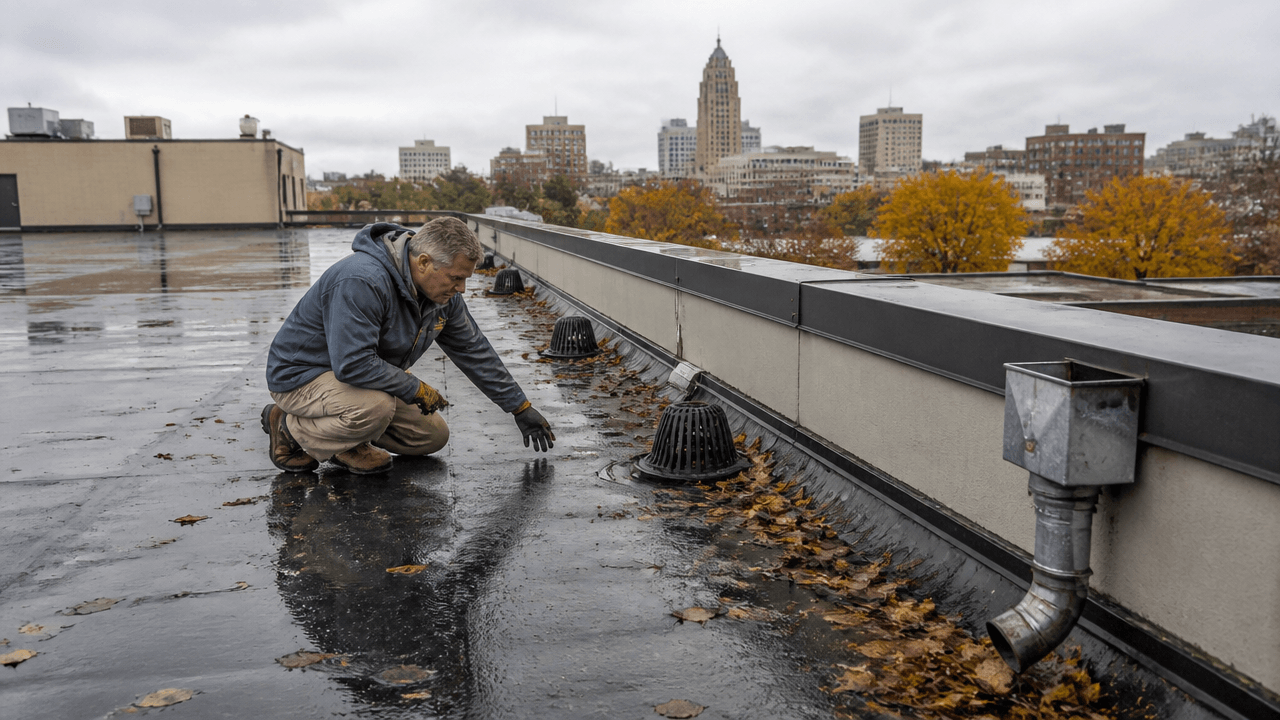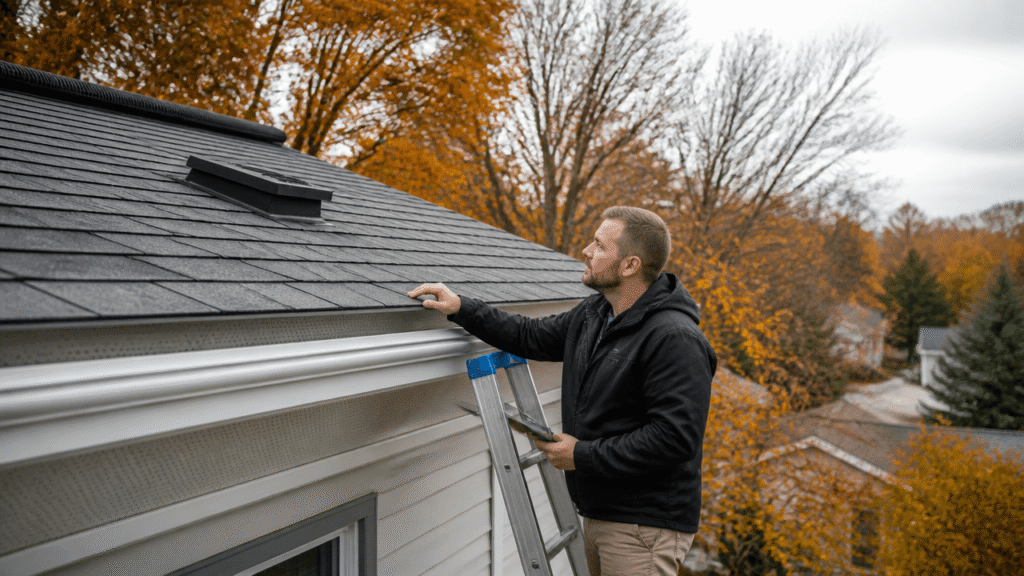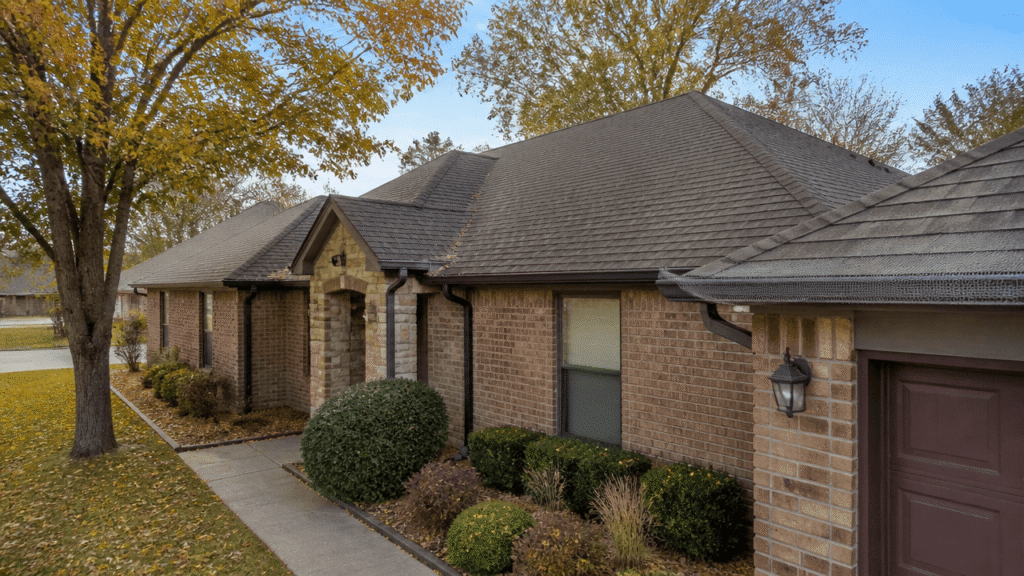
• Commercial roof drainage systems help move water off the roof fast, reducing the risk of pooling, leaks, and surface damage. In Lincoln, NE, fall weather makes regular checks even more important.
• A simple checklist can help spot clogs, weak drainage, damaged drains, and signs of standing water before they turn into bigger roofing problems. Routine upkeep is one of the best ways to protect the building and roof investment.
• Practical advice, clear warning signs, and common questions make it easier to understand what to look for and when to call for help. This guide gives property owners a simple way to stay ahead of drainage issues.
Set the Goal for Better Roof Water Control
The main goal of commercial roof drainage systems is to move water off the roof fast and keep it from pooling after rain or snow. In Lincoln, NE, that matters even more in fall, when wet weather and dropping temperatures can lead to leaks and extra strain on a roof.
A smart drainage plan helps protect the roof surface, insulation, and building structure from water damage. It also supports safer upkeep by lowering the chance of standing water, ice buildup, and hidden trouble spots.
For property owners who want help with drainage planning and roof care, commercial roofing services can help keep things on track. The right system supports steady water flow and gives the roof a better chance to hold up through the season.
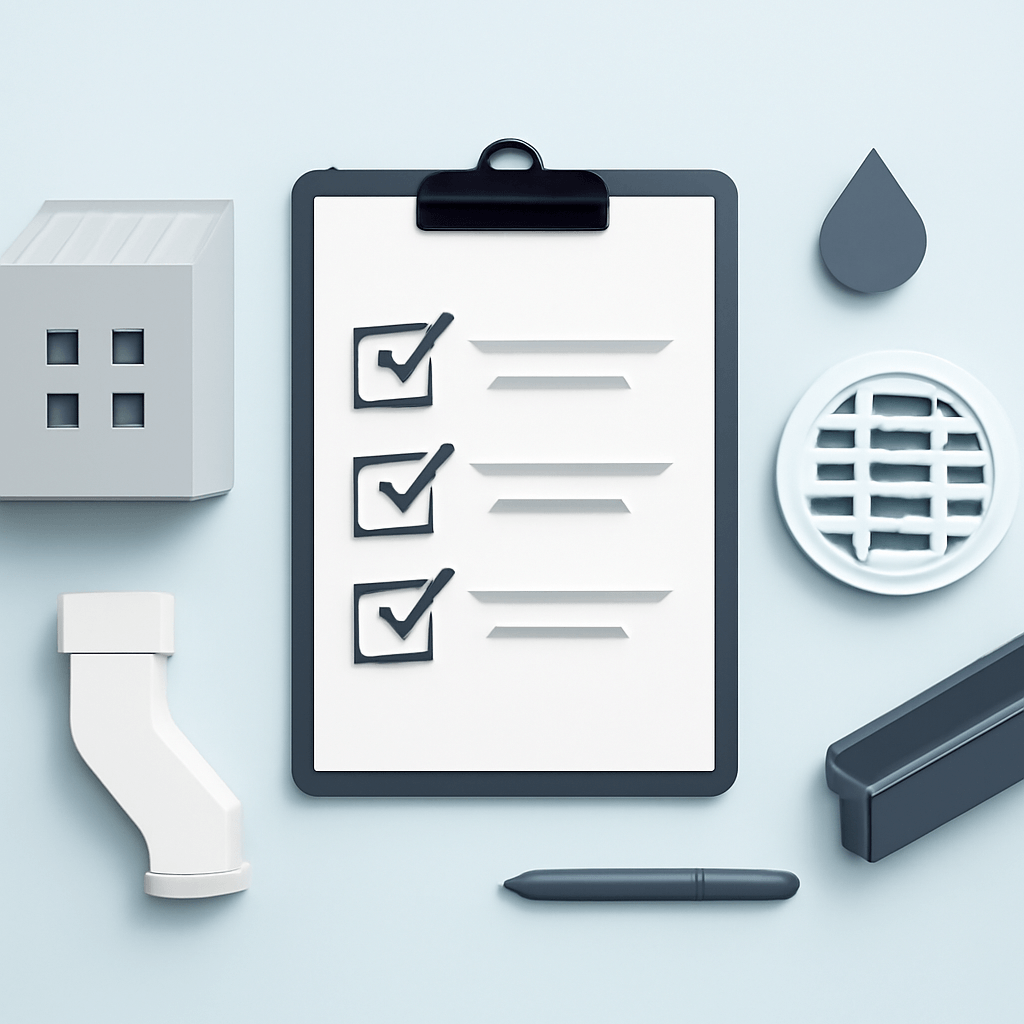
Commercial Roof Drainage Checklist
Use this checklist to keep water moving the right way and reduce the risk of roof trouble in Lincoln, NE. A few small checks now can help your roof handle fall weather with less stress.
- ✅ Check drains and scuppers for leaves or debris
- ✅ Look for water that sits on the roof after rain
- ✅ Inspect downspouts for clogs or weak flow
- ✅ Watch for signs of staining near drainage points
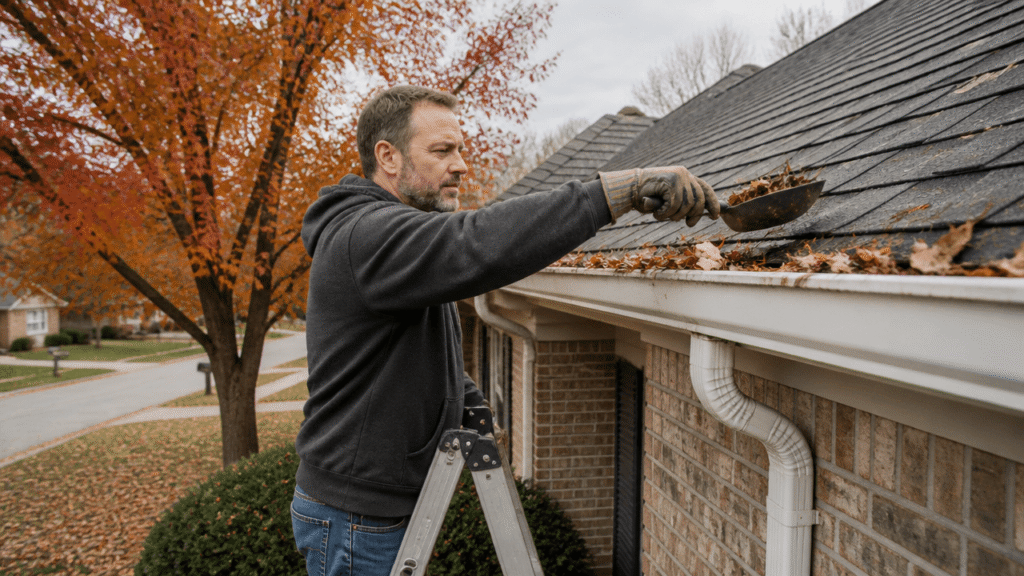
- ✅ Confirm gutters are clear and firmly attached
- ✅ Make sure drains are not cracked or damaged
- ✅ Check that roof edges move water away from the building
- ✅ Schedule service if water is not draining as it should
When these items are checked often, it becomes easier to catch drainage problems before they turn into leaks or surface damage. That is one of the simplest ways to protect a commercial roof through the fall season.
Consistent upkeep also helps the roof stay safer and work the way it should during heavy rain or sudden temperature drops. If you want a stronger plan for commercial roof drainage systems, regular attention is the best place to start.
Additional Advice
Do not wait until water is pooling before taking action, because small drainage issues can grow fast during wet weather. If a roof is already showing slow runoff, that often means something is blocking the flow or the system needs a closer look.
It also helps to keep records of roof checks, repairs, and problem spots so you can spot patterns over time. A roof with repeated drainage trouble may need more than a quick fix, and a trusted commercial roofing team can help figure out what is causing the issue.
Another mistake is assuming gutters and drains only matter during storms, since leftover debris can cause problems even in dry weather. A clean system keeps commercial roof drainage systems working better and lowers the chance of surprise damage when the next round of fall rain hits.
If your building has older roofing materials, extra care may be needed around seams, edges, and low spots where water tends to collect. Good drainage is not just about moving water away; it is also about helping the roof stay in shape for the long run.
Frequently Asked Questions
What are commercial roof drainage systems used for?
Commercial roof drainage systems are used to move rainwater and melting snow off the roof before it can pool. They help protect the roof surface, building structure, and insulation from water damage.
How often should a commercial roof drainage system be checked?
A commercial roof drainage system should be checked at least a few times a year and after major storms. Regular inspections help catch clogs, damage, and slow drainage before they lead to bigger problems.
What are signs that a commercial roof drainage system is not working?
Standing water, clogged drains, overflow at the edges, and water stains near drainage points are all warning signs. If these issues keep showing up, the drainage system likely needs cleaning or repair.
Can bad drainage damage a commercial roof?
Yes, bad drainage can damage a commercial roof by causing ponding water, leaks, and extra wear on the roof surface. Over time, that can lead to bigger repair needs and a shorter roof lifespan.
Why does fall weather matter for commercial roof drainage systems in Lincoln, NE?
Fall weather matters because rain, leaves, and cooler temperatures can all strain drainage systems. In Lincoln, NE, that mix can make clogs and standing water more likely if the roof is not checked often.
Final Thoughts on Roof Water Control
Good drainage is one of the simplest ways to protect a commercial roof from avoidable damage. When water can move off the roof the right way, the building is better prepared for fall weather and the problems that come with it.
Routine checks, quick cleanup, and timely service all help keep the system working as it should. If you want more roofing insight from a local team, follow us on Instagram.