• Discover the factors that affect siding durability, including material composition, weather resistance, and maintenance requirements.
• Learn how to accurately assess siding quality through manufacturer ratings, warranties, and performance under extreme conditions.
• Gain insights on the importance of professional installation and ongoing inspections for ensuring long-term siding protection.
Identifying Siding Wear Before It Becomes A Disaster
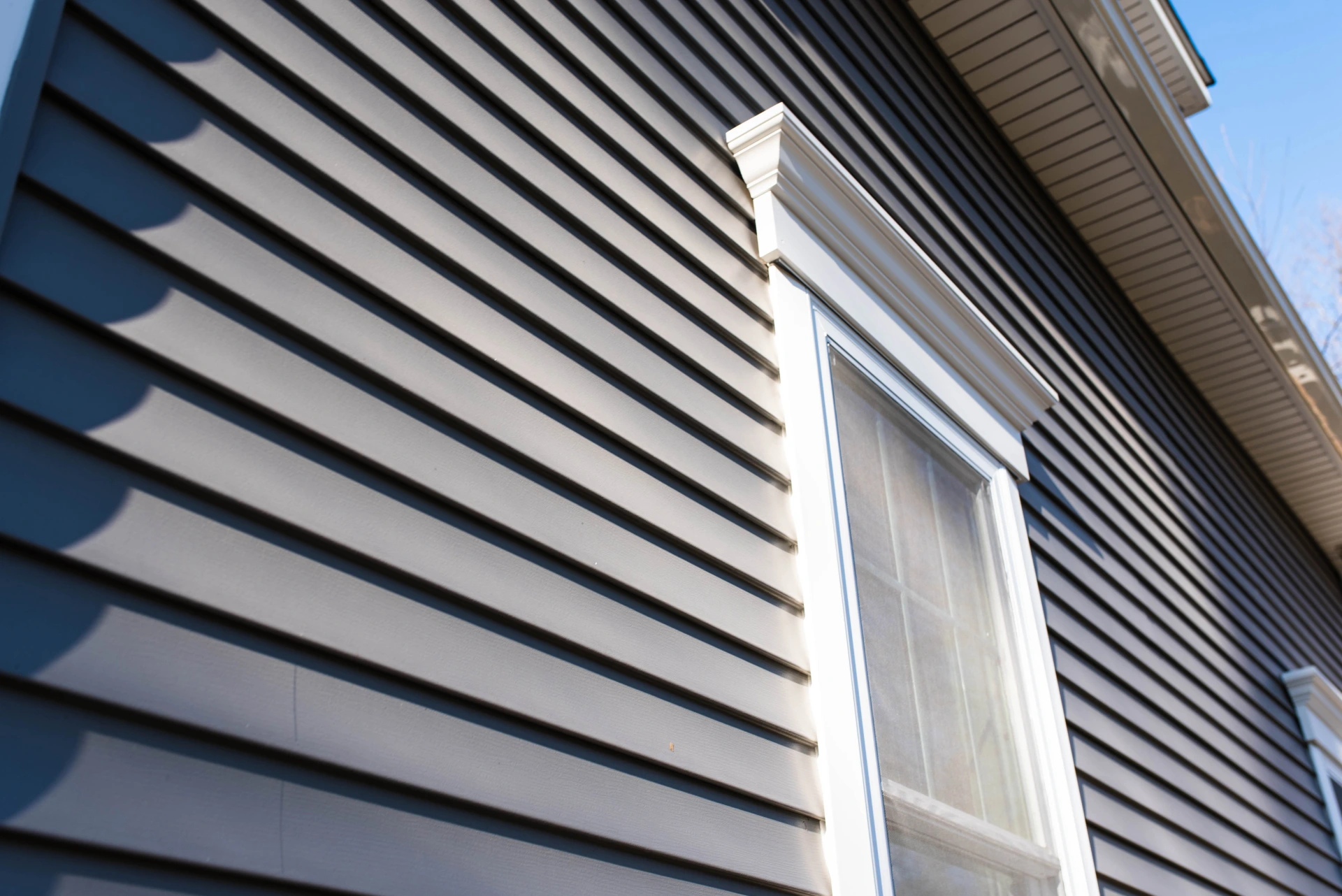
Your home’s exterior is your fortress against the elements, and the durability of your siding is its shield. When evaluating siding durability, you’re looking at how well it stands up to weather, its expected lifespan, and maintenance demands. These factors are crucial, especially in Lake St. Louis, MO, where the diverse spring weather can present a mix of challenges from rain to occasional hail. Making a knowledgeable choice in siding materials means safeguarding your home while minimizing future repair needs.
Selecting the Proper Siding for Seasonal Shifts
With spring’s arrival in Lake St. Louis comes not just blooming flowers but also the need for a home exterior that can handle the season’s capricious nature. Whether you’re considering vinyl for its affordability and range of styles, or wood for its classic appeal—each material’s reaction to the moist and fluctuating temperatures of spring is a key consideration. Fiber cement and aluminum siding also have their merits and drawbacks, and balancing these with durability and climate resilience is vital. Your siding selection is more than curb appeal; it’s a long-term investment against spring’s unpredictable weather patterns.
Spotting Early Signs of Siding Failure
Early intervention can save homeowners from the headaches of extensive siding damage. Be vigilant for warping, which can indicate underlying moisture issues, or cracking, which leaves your home vulnerable to further weather penetration. Unexplained fading may mean your siding is succumbing to constant sun exposure, and a brittle texture could signal that it’s time for a check-up. Remember, timely assessments after spring’s turbulent weather can catch small issues before they turn into expensive repairs.
Maintaining Your Home’s First Line of Defense
Regular siding maintenance is essential for preserving your home’s structural integrity and appearance, especially after the volatile spring season in Lake St. Louis, MO. Inspection routines should be as habitual as lawn care, with a particular focus on post-storm assessments to ensure no damage has gone unnoticed. Simple practices like gentle washing can prevent build-up of dirt and organic material that might lead to mold and compromise the siding’s durability. Additionally, ensuring that your landscape design doesn’t allow for branches or vegetation to scrape against the siding can prevent unnecessary abrasion and wear.
When to Seek Professional Siding Services
While many siding issues can be managed through diligent homeowner efforts, there comes a time when professional expertise is invaluable. Evaluating siding durability isn’t just about what’s on the surface; sometimes, the damage is more profound and calls for an experienced eye. Engaging with a professional from Shamrock Roofing can ensure that your siding is not only aesthetically pleasing but structurally sound as well. Their team can provide thorough inspections, advice on materials best suited for Lake St. Louis weather, and high-quality maintenance services to extend the life of your siding.
Step 1: Understanding Siding Durability
Begin by explaining what siding durability means in the context of home exteriors. Discuss factors like weather resistance, material longevity, and maintenance needs, specifying how these relate to evaluating siding durability. Emphasize the importance of choosing the right type of siding for Lake St. Louis, MO, taking spring weather patterns into consideration.
Step 2: Comparing Siding Materials
Offer a comparison of different siding materials available in the market, such as vinyl, wood, fiber cement, and aluminum. Highlight the pros and cons of each, with focus on how they stand up to the varied spring climate of Lake St. Louis.
Step 3: Signs of Siding Wear and Damage
Instruct homeowners on how to spot signs of siding damage, including warping, cracking, and fading. Stress on the impact of spring storms and humidity on siding materials, and why timely assessment is critical.
Step 4: Regular Siding Inspection
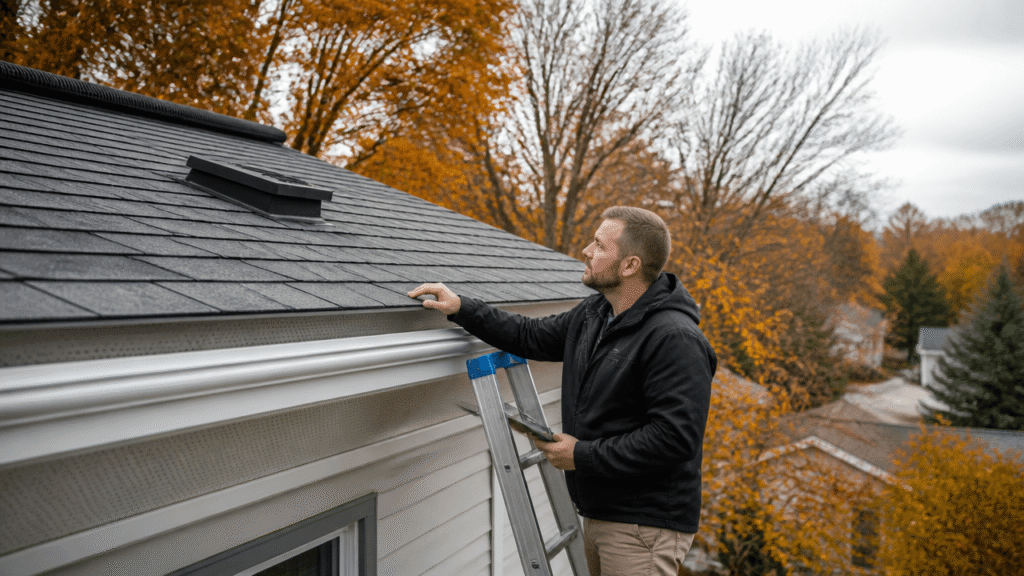
Guide the reader through the process of conducting a siding inspection, detailing what to look for and how often to perform inspections, specially after the seasonal changes that come with spring.
Step 5: Siding Maintenance Tips
Provide practical maintenance tips to prolong the life of siding. Discuss cleaning methods, the importance of keeping siding free from mold and mildew, and how to prevent damage from landscaping or lawn care activities common in spring.
Step 6: DIY vs. Professional Siding Evaluation
Compare the DIY approach to professional evaluations, outlining when to call in a professional for a detailed assessment, especially to deal with the aftermath of springtime weather events.
Step 7: Addressing Siding Issues Promptly
Explain the importance of addressing siding issues as soon as they are identified to prevent further damage, especially during the rainy spring season in Lake St. Louis, MO.
Step 8: Planning for Replacement
Conclude by advising homeowners on planning for siding replacement. Discuss when to consider replacing siding and how to choose durable options to withstand the local climate of Lake St. Louis, MO, focusing on the beenfits this has during the spring and transitioning seasons.
DIY Siding: Common Mistakes to Avoid
When it comes to maintaining the durability of your home’s siding, a well-intentioned DIY approach can sometimes do more harm than good. Many homeowners in Lake St. Louis look to tackle siding projects themselves, especially during the forgiving spring weather. However, without proper knowledge and preparation, even the simplest tasks can lead to bigger issues down the line.
Mistake 1: Choosing the Wrong Materials
Many DIYers pick siding materials based solely on aesthetics without considering the local climate. In Lake St. Louis, the spring can bring a mix of rain, humidity, and temperature fluctuations that some materials may not withstand. To prevent this mistake, research which materials perform best in your specific climate and prioritize durability over appearance.
Mistake 2: Overlooking Signs of Damage
Homeowners often miss subtle signs of siding wear, such as small cracks or warping, especially if they’re not aware of what to look for. This oversight can lead to more extensive damage, especially after spring storms. Regular detailed inspections can help catch these early signs, preventing larger repair bills in the future.
Mistake 3: Inadequate Surface Preparation
Before adding new siding or making repairs, it’s crucial to prepare the surface correctly. Failure to do so can result in issues like moisture getting trapped, leading to rot or mold. Ensure surfaces are clean, dry, and free from damage before starting your project to avoid these complications.
Mistake 4: Poor Installation Techniques
Improper installation can drastically reduce the lifespan of your siding, no matter how durable the material. Incorrectly installed siding can lead to gaps, buckling, and inadequate protection against weather elements. If you’re not fully confident in your installation skills, it’s worth investing in professional services to ensure it’s done right the first time.
Planning for a Siding Upgrade
As Lake St. Louis shifts into the warmer days of spring, it’s the perfect time to consider whether your siding can take on another year or if it’s time for an upgrade. Assessing your siding’s ability to withstand future weather challenges can prevent costly damage down the road. When planning for replacement, prioritize materials known for their resilience and longevity, ensuring they align with the local climate and your personal aesthetic preferences.
Expert Siding Installation for Optimal Performance
Choosing the right contractor for siding installation is as crucial as selecting the material itself. An experienced team, like those at Shamrock Roofing, can provide invaluable insight into the most durable siding solutions for your Lake St. Louis home. Their expertise will guide you toward making informed decisions that balance beauty with the robustness needed to endure the unpredictable weather synonymous with Missouri’s springtime.