• Discover practical tips and straightforward fixes to improve home airflow and ventilation.
• Learn why proper ventilation is crucial for indoor air quality and overall comfort.
• Understand when to seek professional services for a thorough assessment and tailored solutions.
Common Warnings of Inadequate Airflow
As you sit comfortably in your home, you might not immediately notice the subtle signs that your home’s airflow is lacking. It’s those chilly evenings or overly warm days in certain rooms that first hint at an imbalance and the impact of poor airflow. Dust accumulation can be more than just an annoyance; it often signals that air isn’t moving effectively through your home, leaving particles to settle rather than being filtered out. Pay attention to how often you’re adjusting your thermostat—frequent changes might indicate your HVAC system is working overtime due to airflow problems.
Filter Inspection and Replacement
The lifeblood of your HVAC system is clean, unobstructed air filters, which play an integral role in maintaining healthy airflow. A clogged filter restricts air intake, forcing your system to expend more energy to keep you comfortable and leading to higher utility bills and decreased equipment life. Check your filters monthly, and if you find them laden with dust and debris, it’s time for a fresh one. Remember, a clogged filter doesn’t just stress your system; it compromises the air quality you and your family breathe.
The Importance of Clear Vents
Your home’s vents are the gateway for air to travel throughout each room, so their upkeep is essential for consistent airflow. It’s not uncommon for vents to become unintentionally blocked by furniture or drapes, but even partial blockages can severely restrict air movement. Take a moment to inspect each vent—reposition any obstructing objects and give the vents a thorough cleaning to prevent dust buildup. A clear path for air is key to achieving an even temperature across your living space, sparing you from the annoyance of hot and cold spots.
Ductwork: The Circulatory System of Your Home
The integrity of your ductwork is vital for ensuring air circulates smoothly and reaches every room efficiently. Over time, ducts can develop leaks or gaps, which result in the loss of heated or cooled air, a common culprit in the struggle against poor airflow. Sealing these leaks not only improves airflow but also contributes to the overall energy efficiency of your home, cutting down on wasted utility expenses. Regular inspections of your ductwork can save you money and keep your home’s temperature consistent and comfortable.
Don’t Overlook Your Windows
Your home’s windows play a more significant role in airflow and insulation than you might think. Proper window treatments can go a long way in preventing heat gain in the summer and heat loss in the winter, thus supporting your HVAC system to work less strenuously. From heavy drapes to reflective blinds, the right choice in window treatments can serve both aesthetic and practical functions. Siding too, as part of your home’s external envelope, significantly influences indoor temperatures and, by extension, airflow—a fact often unnoticed by homeowners.
Step 1: Identify Signs of Poor Airflow
Begin by looking out for uneven temperatures across rooms, an increase in dust, or a noticeable strain on your HVAC system. Recognizing the signs will prompt you to take action to remedy the poor airflow in your home.
Step 2: Check and Replace Air Filters
Examine the air filters in your heating and cooling system. If they are clogged, replace them with new ones, as clean filters are crucial for maintaining good airflow and indoor air quality.
Step 3: Clear Vents and Registers
Ensure that all vents and registers in your home are not obstructed by furniture, rugs, or curtains. They should be clean and open to allow air to circulate freely.
Step 4: Insulate and Seal Ductwork
Inspect your ductwork for any leaks, holes, or poor connections that can lead to air loss. Proper insulation and sealing of ducts can significantly improve airflow efficiency.
Step 5: Install Window Treatments
Consider adding window treatments such as blinds or curtains that can help regulate indoor temperatures by minimizing heat gain during summer and retaining heat during winter.
Step 6: Use Ceiling Fans Wisely
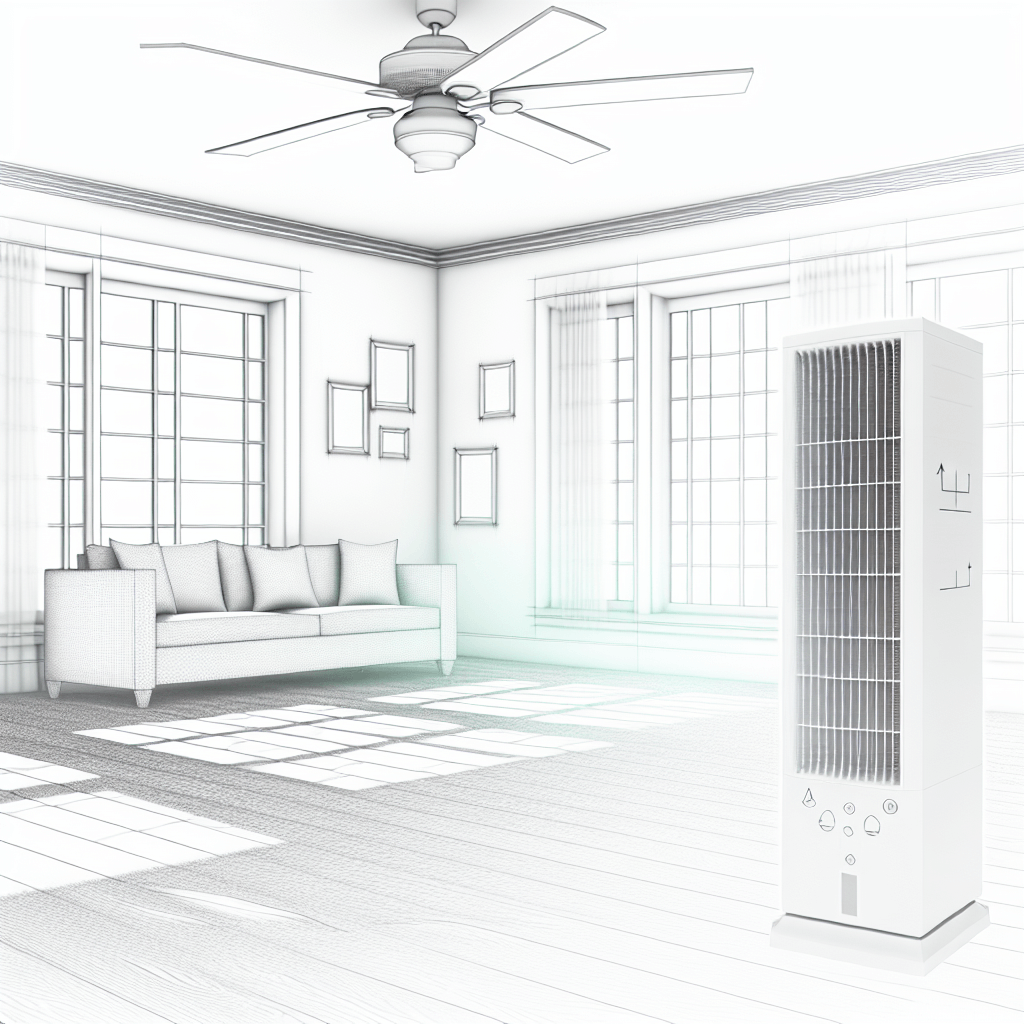
Utilize ceiling fans to improve air circulation. In the winter, set the fan to rotate clockwise to push warm air down, and switch it to counterclockwise in the summer to create a cooling effect.
Step 7: Regularly Maintain HVAC System
Schedule regular maintenance for your HVAC system to ensure it operates at peak efficiency. A professional technician can spot and fix issues that may be affecting airflow.
Step 8: Consider a Professional Airflow Assessment
If issues persist despite taking these steps, it may be time to contact a professional for a comprehensive airflow assessment. They can provide a more detailed analysis and tailor solutions specific to your home.
Common DIY Mistakes to Avoid When Improving Airflow
When attempting to improve the airflow in your home, vigilance is key, but so is avoiding common pitfalls that can set you back instead of moving you forward. These mistakes can not only hinder your progress but also potentially cause further issues down the line. Understanding these errors is the first step toward ensuring you efficiently manage your home’s airflow and maintain a healthy living environment.
- Mistake 1: Ignoring Uneven Temperatures: Often, homeowners overlook varying temperatures across different rooms. It’s not just about comfort—these discrepancies can indicate deeper problems with airflow. To avoid this, regularly monitor the temperatures in various areas of your home to stay proactive against airflow inefficiencies.
- Mistake 2: Forgetting to Replace Air Filters: A very common error is to set and forget air filters for extended periods. This oversight can lead to clogged filters, which drastically reduce airflow and air quality. Prevention is as simple as following a regular schedule for checking and changing your filters.
- Mistake 3: Blocking Vents and Registers: Furniture, rugs, and curtains can often block vents unintentionally. Regular checks to ensure all vents and registers are clear will prevent restricted air movement and maintain consistent airflow in your home.
- Mistake 4: Neglecting Ductwork Maintenance: Ductwork can be out of sight, out of mind, until major airflow problems arise. Leaks or poor connections can lead to significant air loss; therefore, it’s crucial to inspect and maintain ductwork regularly to avoid compromised airflow.
- Mistake 5: Overlooking the Impact of Window Treatments: The right or wrong window treatments can make or break your home’s temperature control. To avoid this mistake, choose treatments that balance natural lighting with insulative properties to enhance airflow and energy efficiency.
- Mistake 6: Misusing Ceiling Fans: Ceiling fans need to rotate in the correct direction for the season—clockwise in winter and counter-clockwise in summer. Setting them incorrectly can worsen airflow issues, so double-check fan settings as seasons change.
- Mistake 7: Skipping Regular HVAC Check-Ups: Homeowners often forget the importance of regular HVAC maintenance until it’s too late. Keep on top of maintenance schedules to ensure your HVAC system contributes positively to your home’s airflow.
- Mistake 8: Delaying Professional Assessments: Trying to solve all airflow problems alone can be a grave error, especially with complex systems. If persistent issues arise, don’t hesitate to reach out to professionals for a comprehensive airflow assessment.
Fan Strategies for Optimal Air Movement
Ceiling fans are an often underutilized tool for managing airflow and temperature within your home. By rotating clockwise in the winter, they push warm air that has risen back down to living spaces, and by switching to counterclockwise in the summer, they create a cool, downward breeze. Strategic use of fans can make a significant difference in air circulation and personal comfort.
Essential HVAC Maintenance
Scheduling regular maintenance checks for your HVAC system is essential for preventing airflow issues and prolonging equipment life. A professional technician can identify any potential problems and perform necessary repairs, ensuring your system operates at peak efficiency. To learn more about maintaining your system and enhancing home comfort, see Shamrock Roofing’s HVAC services.