• Built-up roofing and TPO are two strong flat roof options, but the right choice depends on structure, weather, drainage, and long-term care.
• In Oklahoma City, seasonal shifts can affect flat roof performance, so it helps to compare how each system handles heat, rain, and wear before making a decision.
• A simple step-by-step review can help property owners avoid common mistakes and choose the flat roofing system that fits their building best.
Why This Roof Choice Matters Now
Choosing the right system for a flat roof is not something we want to delay, especially when weather shifts can test every weak spot. In Oklahoma City, fall can bring cooler nights, windy days, and sudden rain, which makes roof performance a bigger deal than many owners expect. When we compare built-up roofing vs TPO for flat roofs, we are really looking at how to protect a building before small problems turn into larger repairs.
A flat roof has to handle standing water, heat, and daily wear in ways that steep roofs do not. That is why the material choice matters for both short-term comfort and long-term upkeep. If we make the wrong call, we may end up dealing with leaks, extra service visits, and avoidable downtime.
For property owners who need a smarter path forward, timing matters just as much as material choice. A roof that fits the season can help reduce stress during heavy rain and temperature swings. When we take a closer look at options now, we give ourselves more control over cost, planning, and long-term results through services like our commercial roofing solutions.
How Each Roof Type Performs
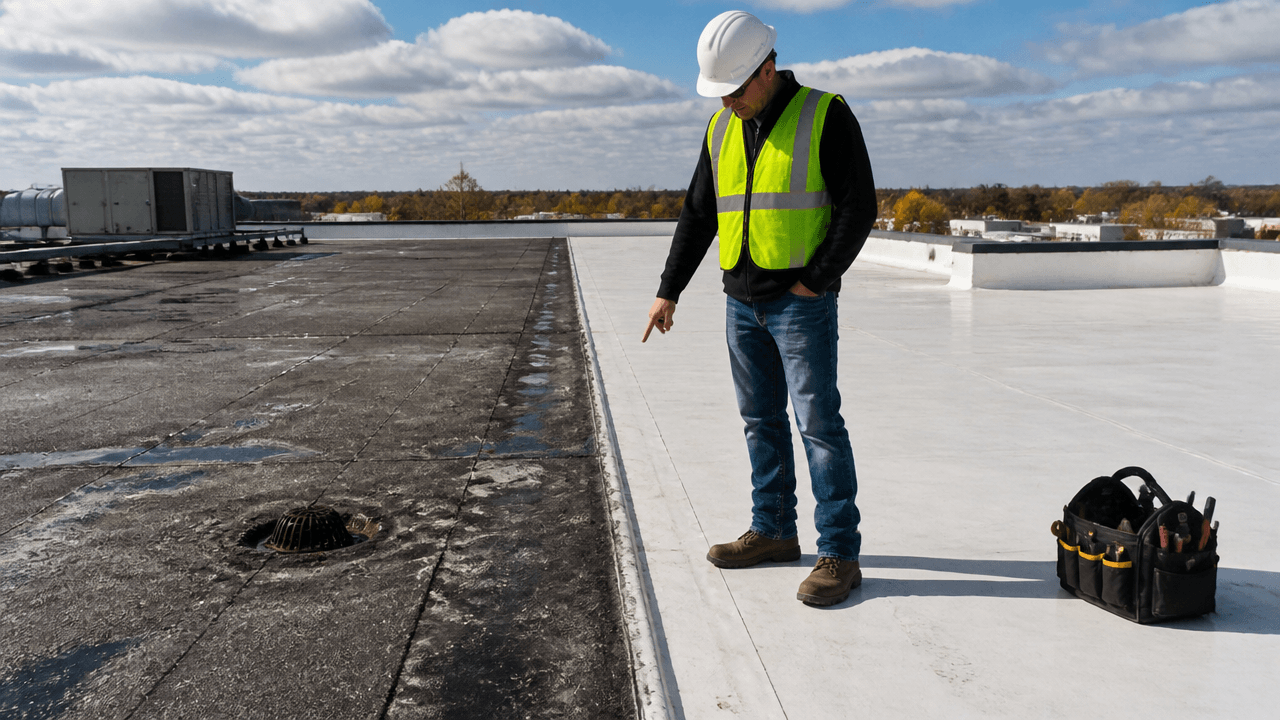
Built-up roofing has been used for a long time because it creates a layered surface that can handle regular use well. It is known for durability, but it can be heavier and may take longer to install than some newer systems. For owners comparing built-up roofing vs TPO for flat roofs, this means BUR often fits buildings that need a strong, time-tested approach.
TPO is a single-ply membrane that is popular because it reflects sunlight and can be installed with fewer layers. It is often chosen for its lighter weight and clean finish, especially on buildings that need energy-conscious options. We still need the right inspection before choosing, because roof shape, drainage, and current condition all affect which system makes the most sense.
How To Choose Built-Up Roofing vs TPO for Flat Roofs
🔍 Step 1: Check the roof condition
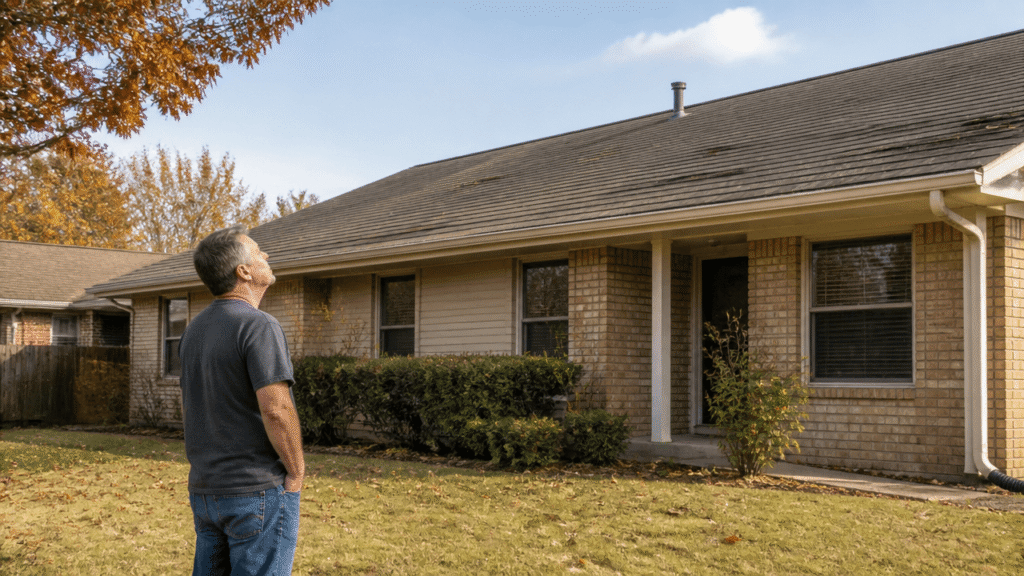
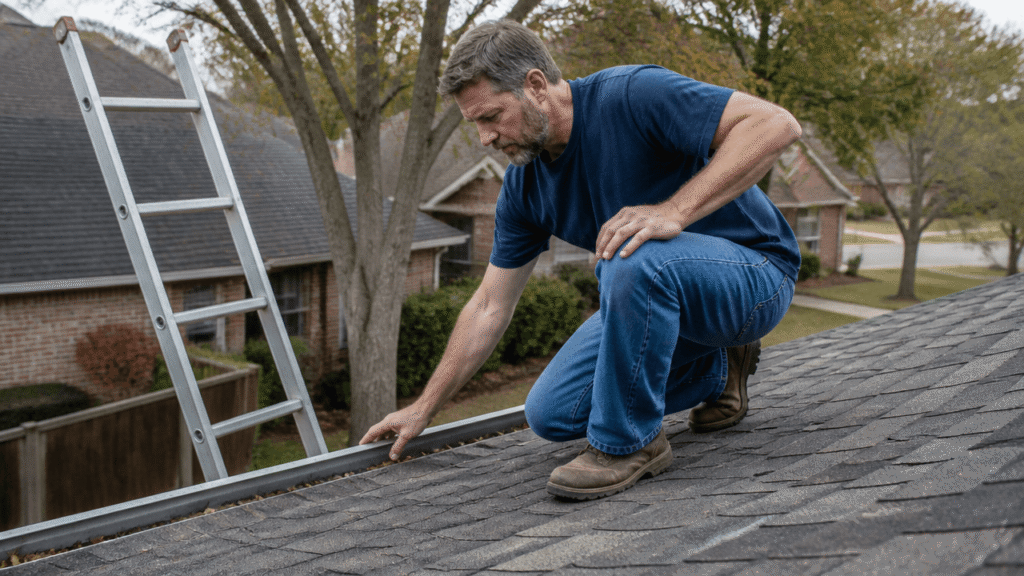
Look at the current roof for ponding water, cracks, open seams, and soft spots. These signs help us understand whether the roof needs a layered repair system or a membrane that can better manage surface stress.
📏 Step 2: Measure the roof area
Accurate measurements help us compare material needs and labor demands. This also helps us avoid underestimating how much work the roof will need from start to finish.
🌦️ Step 3: Think about local weather
In Oklahoma City, roofs need to handle rain, heat, and seasonal shifts that can affect surface wear. Built-up roofing vs TPO for flat roofs often comes down to how each material responds to those changing conditions.
🧱 Step 4: Compare weight and structure
Built-up roofing is heavier than TPO, so the building structure must be able to support it. We need to confirm that the roof deck can handle the load before moving ahead with any installation plan.
💧 Step 5: Review drainage needs
Flat roofs must move water off the surface as efficiently as possible. A system that works well with the roof’s slope and drains can help limit ponding and early wear.
🔥 Step 6: Consider heat exposure
Sun and heat can affect how a roof ages over time. TPO is often used when reflection matters, while built-up roofing may be chosen for buildings that need a more layered surface.
🛠️ Step 7: Match the system to the building use
A busy commercial property may need a roof that stands up well to foot traffic and routine service access. The right choice depends on how the building is used every day, not just on the material alone.
✅ Step 8: Plan for long-term upkeep
Every roof needs care, but some systems need more frequent attention than others. Thinking ahead about maintenance makes it easier to choose the option that fits both the building and the budget.
Mistakes People Make With Flat Roof Choices
Many DIY roofing mistakes happen because people focus only on price or only on one product feature. That can lead to a roof that looks fine at first but fails under weather, drainage, or structural demands. We can avoid most of these problems by following the same basic checks used in the selection steps above.
⚠️ Mistake 1: Ignoring the roof’s current condition
This happens when someone picks a system before checking for damage, soft spots, or drainage trouble. It usually leads to a mismatch between the material and the real needs of the roof. The fix is to inspect the surface first so the choice starts with facts, not assumptions.
❌ Mistake 2: Choosing based on price alone
This happens because the lowest upfront cost can look appealing during planning. The problem is that the cheapest option may not fit the building’s structure or weather exposure. To prevent this, compare both short-term cost and long-term upkeep before making a decision.
🚫 Mistake 3: Overlooking roof weight limits
This mistake often comes from not checking whether the structure can support a heavier system. Built-up roofing can place more load on a building than TPO, so skipping this step can create serious issues. We prevent it by confirming the roof deck and building design can handle the material.
⚠️ Mistake 4: Forgetting about drainage
People make this mistake when they focus on the material and ignore how water moves across the roof. If water sits too long, even a good roof system can wear down faster. The best prevention is to check slope, drains, and ponding spots before choosing a roof type.
❌ Mistake 5: Not planning for upkeep
This happens when the roof is chosen for the install day, not for the years ahead. Some systems need more care or faster attention to small issues than others. We can avoid this by thinking about service needs early and matching them to the building’s use.
Frequently Asked Questions
What is the main difference between built-up roofing and TPO?
Yes, the main difference is that built-up roofing uses multiple layers, while TPO is a single-ply membrane. Built-up roofing vs TPO for flat roofs often comes down to durability style, roof weight, and how the material handles heat and weather.
Which is better for flat roofs in Oklahoma City?
Yes, either can work well depending on the building, but the better choice depends on roof condition, structure, and weather exposure. In Oklahoma City, we often look closely at heat, rain, and seasonal changes before deciding between built-up roofing vs TPO for flat roofs.
Is TPO good for hot weather?
Yes, TPO is often a strong choice in hot weather because it can reflect sunlight better than darker roof systems. That can help reduce surface heat on the roof, especially during warm fall days that still feel like summer.
Does built-up roofing last a long time?
Yes, built-up roofing can last a long time when it is installed correctly and maintained well. Its layered design has long been trusted for flat roofs that need steady performance over time.
How do I know which roof is right for my building?
Yes, the right choice depends on your roof’s structure, drainage, use, and current condition. A careful review of those factors makes it easier to choose between built-up roofing vs TPO for flat roofs with confidence.
Wrapping Up Your Roof Decision
Choosing between these two systems is easier when we focus on the building, the weather, and the long-term plan. The right answer is not always the same for every property, which is why careful review matters so much. When we compare built-up roofing vs TPO for flat roofs the right way, we protect the roof and reduce future surprises.
If we take time to inspect, measure, and match the material to the structure, we can make a stronger decision from the start. That approach helps keep repairs down and supports better performance through the season. For more updates and company news, follow us on social media.