• Know when a gutter repair is enough by checking for small leaks, loose seams, minor sagging, and light rust. If the damage is limited and the system still drains well, a repair may be the right call.
• Choose replacement when damage is widespread if your gutters are pulling away, overflowing often, or showing repeated problems after past fixes. A new system can be the better long-term answer when repairs keep adding up.
• Follow a simple step-by-step process to inspect, clean, test, and compare the full gutter system before deciding. This helps protect your home from water damage and makes the choice between repair and replacement much clearer.
Should You Repair or Replace Your Gutters?
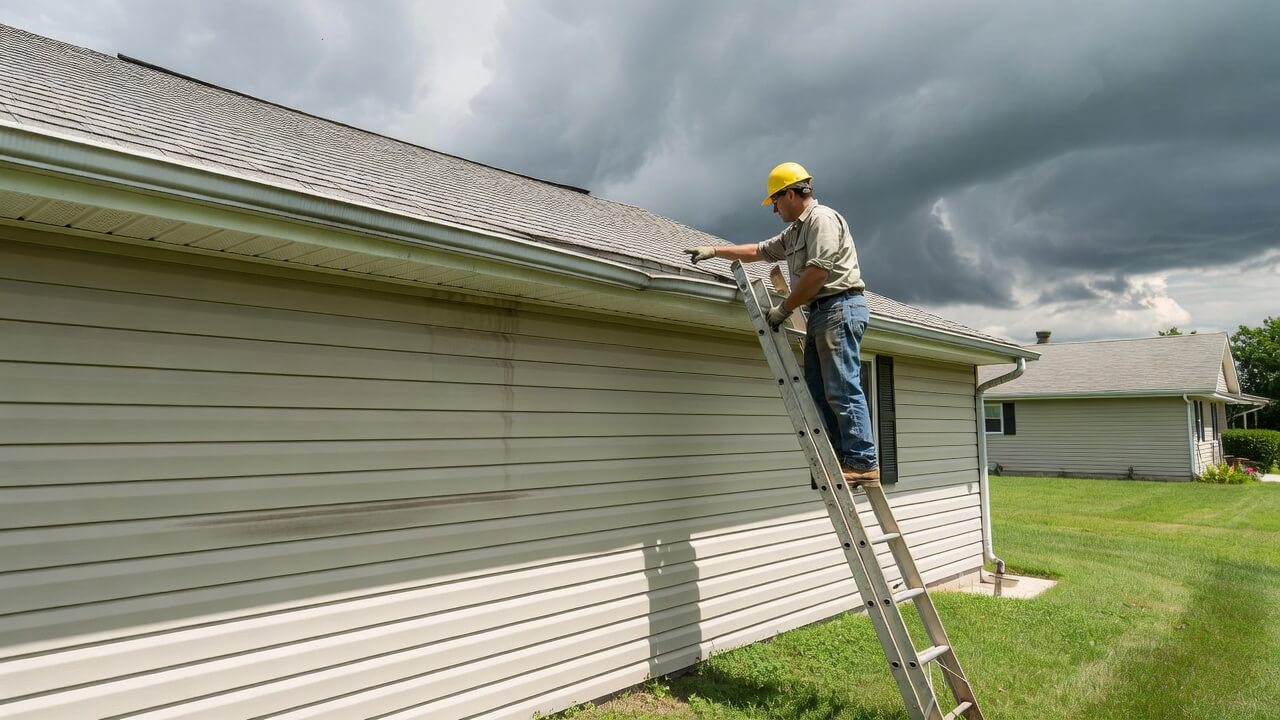
Summer storms in Lawrence, KS can put a lot of stress on gutters in a short amount of time. Heavy rain, wind, and falling debris can turn a small issue into a bigger one fast. That is why gutter repair vs replacement compared matters when you want to protect your home before the next storm rolls in. If water starts spilling over the edge, it can reach your siding, foundation, and landscaping.
Many homeowners wait until they see a clear leak before taking action. By that point, the damage may already be spreading in places that are harder to spot from the ground. Our team at gutter services often sees small gutter problems turn into costly fixes when they are ignored too long. A quick check now can save a lot of trouble later.
The good news is that not every gutter issue means a full replacement. Some problems can be fixed with a simple repair if the system is still in solid shape. The challenge is knowing when a repair makes sense and when replacement is the better choice. That is where a clear look at the signs can help you make a smart call.
How We Decide Between Repair and Replacement
We start by looking at the age, shape, and performance of the gutter system. If the gutters have a few loose joints, small holes, or minor sagging, repair may be enough. If they are pulling away from the roof, rusted through, or warped in several spots, replacement is often the better path. This approach helps us focus on what will actually solve the problem, not just cover it up.
We also check how the gutters handle water during and after a storm. If water is draining well and the damage is limited, a repair can restore function and keep costs lower. If water keeps pooling, overflowing, or leaking in several places, patching one area will not fix the full issue. In cases like that, a new system may be the smarter long-term answer for the home.
Step-by-Step Guide
🔍 Step 1: Inspect the Gutters Closely
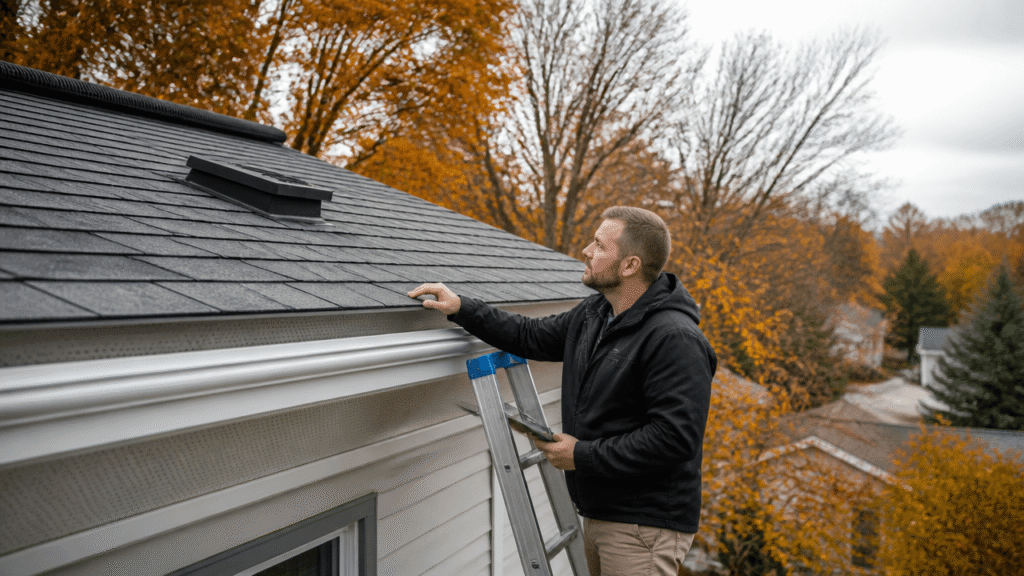
Look for cracks, rust, loose fasteners, sagging sections, and places where water leaves the gutter line. A careful inspection helps you see whether the problem is small and isolated or spread across the system.
💧 Step 2: Check for Water Overflow
Watch the gutters during or after rain to see how water moves through them. Overflow often points to clogs, poor slope, or damage that may call for repair or replacement.
🧽 Step 3: Clear Out Leaves and Debris
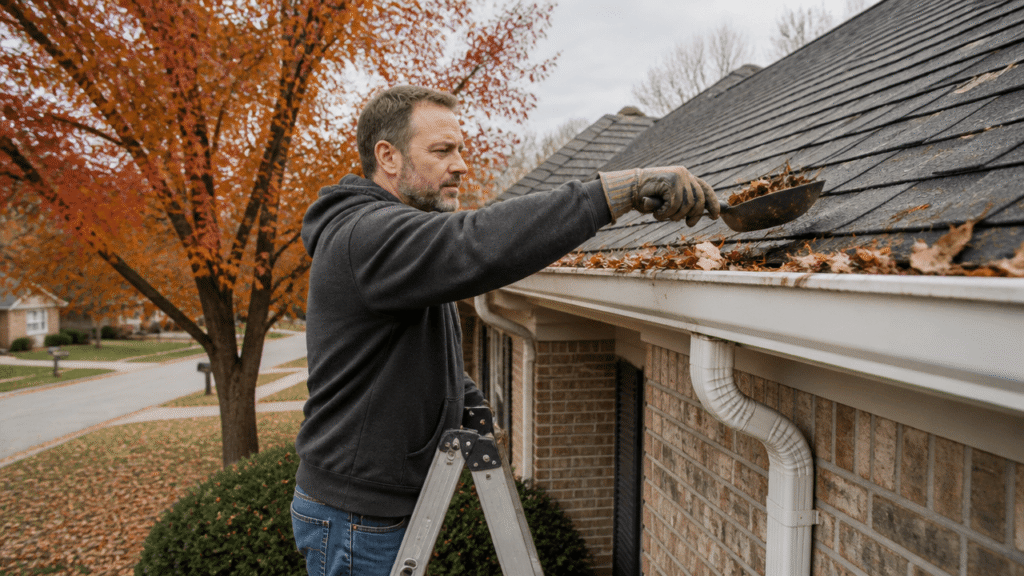
Remove built-up debris so you can see the real condition of the gutters. Clogs can hide damage and make a system look worse than it is, so cleaning comes first.
📏 Step 4: Measure the Amount of Damage
Count how many sections are affected and note whether the damage is light or widespread. One or two damaged spots may be repaired, but multiple problem areas often point toward replacement.
🔧 Step 5: Test the Fasteners and Seams
Gently check whether the gutters are firmly attached and whether seam joints are holding. Loose fasteners and opening seams can often be fixed, but widespread failure is a warning sign.
🏠 Step 6: Look at Related Home Damage
Check the fascia, siding, and foundation area for stains, peeling paint, or water marks. These signs show that the gutter issue has already started affecting other parts of the home.
📋 Step 7: Compare Repair Needs to System Age
Think about how long the gutters have been in place and how often they have needed work. Older systems that need repeated fixes may cost more over time than a replacement would.
✅ Step 8: Choose the Safer Long-Term Option
Pick the solution that gives the best result for the home, not just the quickest fix. If the system is still strong, repair can be a good answer, but if the damage is broad, replacement is usually the more stable choice.
Common Mistakes to Avoid
Many DIY gutter projects start with good intentions but run into trouble fast. The most common problems usually come from missing small signs or trying to fix more than the system can handle. Knowing these mistakes ahead of time can help you make a better decision.
⚠️ Mistake 1: Ignoring Small Leaks
A small leak may seem harmless, but it often points to a bigger issue at a seam, joint, or fastener. This happens because minor drips are easy to overlook until the next rain makes them worse. Prevent it by checking every leak right away and deciding whether the damage is limited or part of a larger pattern.
⚠️ Mistake 2: Cleaning Without Inspecting
Some people clear debris and stop there, even though the gutters may still have hidden damage. This happens because cleaning feels like a complete fix, but it only shows part of the picture. Prevent it by looking for cracks, sagging, rust, and loose sections after the gutters are clear.
⚠️ Mistake 3: Repairing Too Many Bad Sections
Fixing one weak spot after another can cost more than starting fresh. This usually happens when the homeowner wants to avoid a larger project and keeps patching the same system. Prevent it by comparing the number of damaged areas to the age and overall shape of the gutters.
⚠️ Mistake 4: Skipping the Water Test
A gutter can look fine on a dry day and still fail during a storm. This happens because the real problem often shows up only when water is moving through the full system. Prevent it by watching how the gutters drain after rain or during a controlled water test.
⚠️ Mistake 5: Overlooking Related Damage
Some DIYers focus only on the gutters and miss signs on the fascia, siding, or foundation. This happens because those areas are easy to forget once the gutter itself gets attention. Prevent it by checking the whole edge of the home so you can see the full effect of the problem.
Frequently Asked Questions
How do I know if my gutters need repair or replacement?
You can tell by looking at how much damage is present and how the gutters are performing. If the issue is limited to a few small spots, repair may be enough, but widespread rust, sagging, or repeated leaks usually point to replacement.
What are the most common signs of gutter damage?
The most common signs are leaks, sagging sections, loose joints, rust, and water overflowing during rain. You may also see stains on siding or water near the foundation, which means the system is not moving water the way it should.
Is gutter repair vs replacement compared worth thinking about after one storm?
Yes, especially after heavy summer storms in Lawrence, KS. A single storm can loosen fasteners, clog downspouts, or crack weak sections, so it is smart to compare repair and replacement before the next rain.
Can a damaged gutter system affect my home?
Yes, it can affect the siding, fascia, landscaping, and foundation if water is not directed away from the home. Even a small gutter issue can lead to bigger problems when it keeps sending water where it should not go.
When is replacement better than repair?
Replacement is better when the gutters have widespread damage, repeated leaks, or signs of age that keep causing problems. If the system needs frequent fixes, a new setup often gives better long-term value and steadier performance.
Final Thoughts on Making the Right Choice
Choosing between repair and replacement comes down to how much damage the gutters have and how well they are still doing their job. A careful look at leaks, sagging, rust, and overflow can help you avoid short-term fixes that do not last. When you compare the full picture, the right choice becomes much easier to see.
In a place like Lawrence, KS, summer storms can expose weak gutters fast, so timing matters as much as the repair itself. If you want a trusted local team to help with the next step, visit our Facebook page.