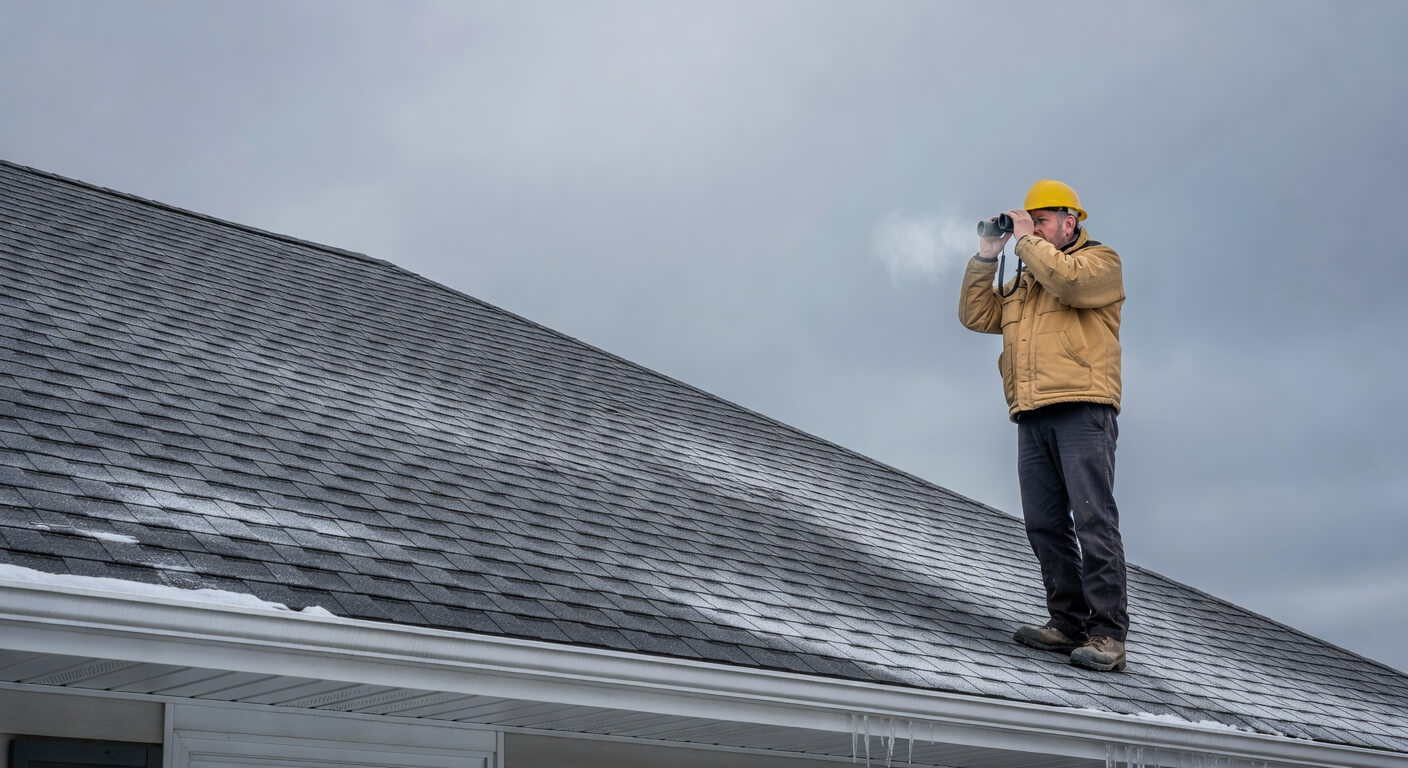
• Cold weather can make roof ventilation problems in cold weather show up fast through frost, moisture, and ice buildup.
• Checking attic airflow, vent openings, and insulation placement can help prevent bigger winter roof damage.
• Simple warning signs like damp insulation or a musty smell can point to hidden roof issues that need quick attention.
Why Cold Weather Roof Vent Problems Matter
Winter in Springfield can put real stress on a roof, especially when warm indoor air meets a cold attic. When airflow slows down, moisture can get trapped and start causing trouble before we notice it. That is why roof ventilation problems in cold weather deserve attention early, not after damage starts.
Small signs can turn into bigger repairs fast if they are ignored through the cold months. Ice buildup, damp insulation, and stubborn condensation can all point to a roof that is not moving air the right way. When we help homeowners at Shamrock Roofing, we often see that quick action makes the biggest difference.
A roof should work with the season, not against it. In cold weather, poor ventilation can let heat escape unevenly and raise the risk of moisture issues in the attic. The sooner we spot the warning signs, the better chance we have to keep the roof in good shape.
What Happens When Airflow Is Blocked
A roof system needs a balanced mix of intake and exhaust airflow to keep temperatures steadier in the attic. When that balance is off, warm air can collect near the roof deck and cool too quickly, which leads to condensation. Over time, that extra moisture can affect wood, insulation, and even the life of the roof itself.
In colder months, blocked vents can also contribute to ice forming where it should not. That can create back-up along the roof edge and increase the chance of leaks inside the home. If the attic feels damp or smells musty, we take that as a strong sign that airflow needs a closer look.
Step-by-Step Guide
🔍 Step 1: Check the attic for warning signs
Start by looking for damp insulation, water spots, frost, or a musty smell in the attic. These signs often show that air is not moving the way it should and moisture is building up.
🌬️ Step 2: Inspect intake and exhaust vents
Look at soffit vents, ridge vents, and any other roof vent openings to see if they are blocked or covered. Snow, dirt, insulation, and debris can all stop air from moving through the system.
🧊 Step 3: Look for ice along the roof edge
Check the eaves and gutters for ice buildup after cold snaps. Ice near the edge can point to heat loss and poor attic ventilation working together.
📏 Step 4: Measure insulation placement
Make sure insulation is not pressed tightly against soffit vents or other airflow paths. Insulation should help hold indoor temperatures, but it should not block the roof’s ability to breathe.
🛠️ Step 5: Clear blocked vent openings
Remove debris, snow, or any visible material that is stopping air from entering or leaving the attic. Clear vents help the roof stay drier and reduce the chance of moisture problems.
🏠 Step 6: Check for uneven attic temperatures
Move through the attic and notice if some areas feel much warmer or colder than others. Uneven temperatures can mean airflow is not balanced across the roof system.
📞 Step 7: Call a roofing professional for a full check
If signs keep showing up, have the roof and attic evaluated by a roofing team. A trained inspection can find the cause of roof ventilation problems in cold weather before they lead to bigger damage.
Common Mistakes to Avoid
Many DIY fixes fail because the real issue is not obvious from the ground. Moisture and airflow problems often hide in the attic, where small clues can be easy to miss. The mistakes below can keep the roof from drying out the way it should.
- ⚠️ Mistake 1: Ignoring attic moisture
Some homeowners focus only on the roof surface and forget to check the attic. That happens because the signs feel minor at first, but moisture inside the attic can be the first clue that ventilation is failing. To prevent this, always inspect for damp insulation, frost, and water spots before making any other repairs. - ⚠️ Mistake 2: Blocking soffit vents with insulation
This mistake happens when insulation is added too loosely or pushed into the wrong place. It cuts off intake airflow and makes roof ventilation problems in cold weather worse. The fix is to keep vent paths open so air can move freely from the eaves into the attic. - ⚠️ Mistake 3: Clearing ice without checking the cause
Removing ice can feel like a quick fix, but it does not solve the airflow problem behind it. People do this because the ice is visible and urgent, yet the real issue may be heat loss and poor vent balance. Prevent repeat problems by checking the attic conditions that led to the ice in the first place. - ⚠️ Mistake 4: Overlooking blocked exhaust vents
Ridge vents and other exhaust openings can get covered by snow, dirt, or roofing material. This often happens because the openings are not easy to see from the ground. Prevent it by checking that air can leave the attic as well as enter it. - ⚠️ Mistake 5: Assuming one small sign is harmless
A faint musty smell or a little frost may seem easy to ignore. People often delay action because the problem does not look serious yet, but cold-weather ventilation issues can build over time. The best prevention is to act early whenever the attic shows repeated signs of trapped moisture.
Frequently Asked Questions
What causes roof ventilation problems in cold weather?
Yes, cold weather can expose weak attic airflow very quickly. When warm indoor air rises into a cold attic and cannot escape, it can create condensation and frost. Blocked vents, poor insulation placement, and uneven attic temperatures are common causes.
How do I know if my attic has poor ventilation?
Yes, there are usually clear warning signs. Look for damp insulation, frost on roof decking, musty odors, or ice buildup near the roof edge. These are all clues that air is not moving through the attic the way it should.
Can bad roof ventilation cause ice dams?
Yes, bad roof ventilation can contribute to ice dams. When heat escapes into the attic and melts snow on the roof, the water can refreeze near the colder edges. That cycle is one of the most common winter roofing problems we see in colder weather.
Should I remove snow from my roof vents?
Yes, if snow is visibly blocking the vents, it should be cleared carefully. Roof ventilation problems in cold weather often get worse when vents cannot pull in or push out air. If the area is hard to reach or icy, it is safer to let a roofing professional handle it.
When should I call a roofing professional?
Yes, you should call a roofing professional when moisture, frost, or ice keeps coming back after you check the attic and vents. Repeated signs usually mean the issue is more than a simple surface problem. A trained inspection can help find the source before it turns into costly damage.
Final Thoughts for Winter Roof Care
Cold weather can make small roof issues act much bigger than they really are, which is why attic airflow matters so much. By checking for moisture, keeping vents open, and paying attention to ice and frost, we can reduce the risk of winter damage. Taking these steps early helps protect both the roof and the home below it.
If the signs keep showing up, it is smart to bring in a roofing team that knows what to look for in winter conditions. We help homeowners in Springfield spot problems before they spread and keep their roofs ready for the season ahead. You can also follow us on Facebook for more roof care updates.