• Summer heat can trap hot air in your attic, leading to roof ventilation problems in summer that can wear down shingles, stress roofing parts, and make your home harder to cool.
• Simple checks like inspecting the attic, clearing vents, and spotting moisture or heat damage can help you find airflow issues early before they turn into costly repairs.
• Fixing ventilation problems fast protects your roof, supports better airflow, and helps Omaha homeowners avoid bigger summer damage and rising cooling costs.
Why Summer Roof Ventilation Matters
When the summer heat settles over Omaha, attic temperatures can climb fast and put extra stress on the roof. That trapped heat can shorten the life of roofing parts and make your home harder to keep cool. If you have noticed signs of roof ventilation problems in summer, now is the time to take them seriously.
Poor airflow in the attic can lead to hot spots, moisture buildup, and added wear on shingles and decking. Those issues may start small, but they can turn into costly repairs if they are ignored for too long. We often see homeowners wait until the damage is visible, when early action would have saved time and money.
The good news is that many of these problems can be handled with a careful check and the right fix. We help Omaha homeowners spot trouble early and make smart choices before summer heat does more damage. If you need a starting point, our team at Shamrock Roofing can help you understand what your roof is telling you.
How Roof Ventilation Works in Hot Weather
A roof ventilation system works by moving hot air out of the attic and letting cooler air flow in from lower openings. That airflow helps keep attic temperatures more stable and reduces strain on the roof surface. When the system is blocked or out of balance, the attic can trap heat and create the kind of roof ventilation problems in summer that homeowners notice fast.
In Omaha, summer heat can make those problems show up in a few clear ways, like warm upstairs rooms, musty smells, or shingles that age faster than expected. Moist air can also build up if the attic does not breathe the way it should, which can affect wood and insulation. We look at the whole roof system, not just one part, because ventilation works best when every piece is doing its job. If other exterior parts are also showing wear, our roof replacement services can help restore the system from the top down.
Step-by-Step Guide to Fix Roof Ventilation Issues
🧭 Step 1: Inspect the Attic
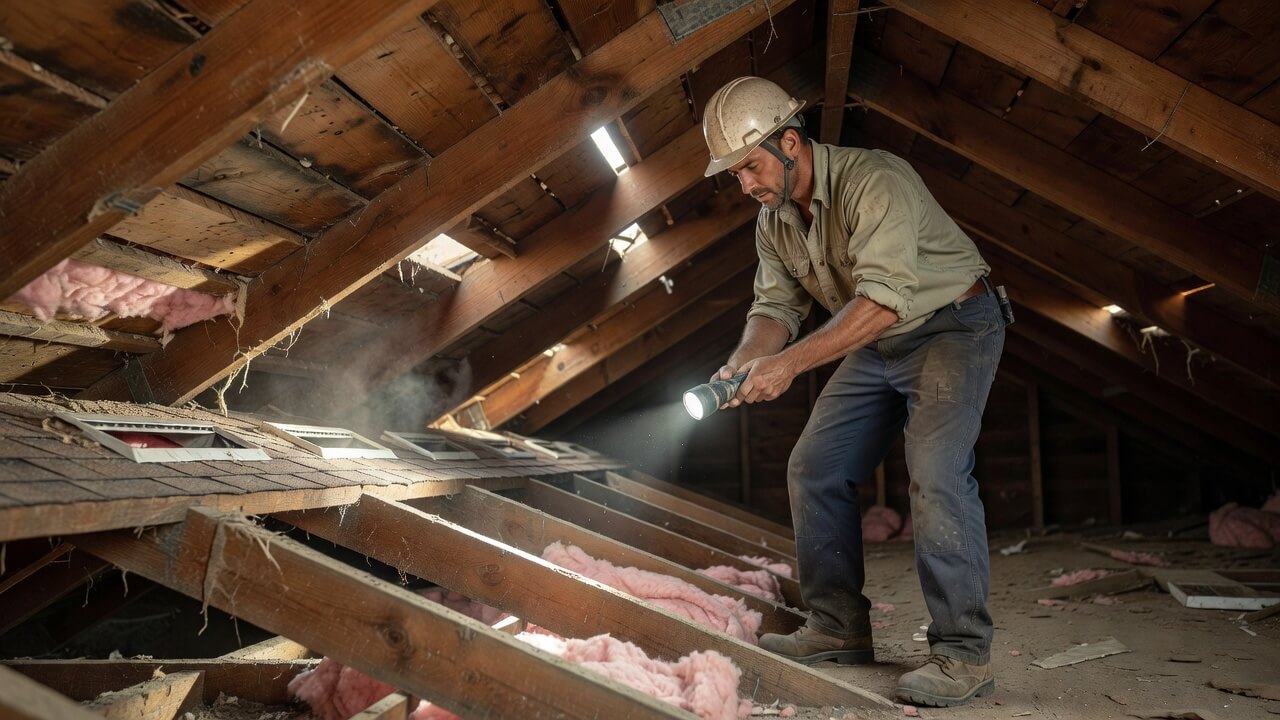
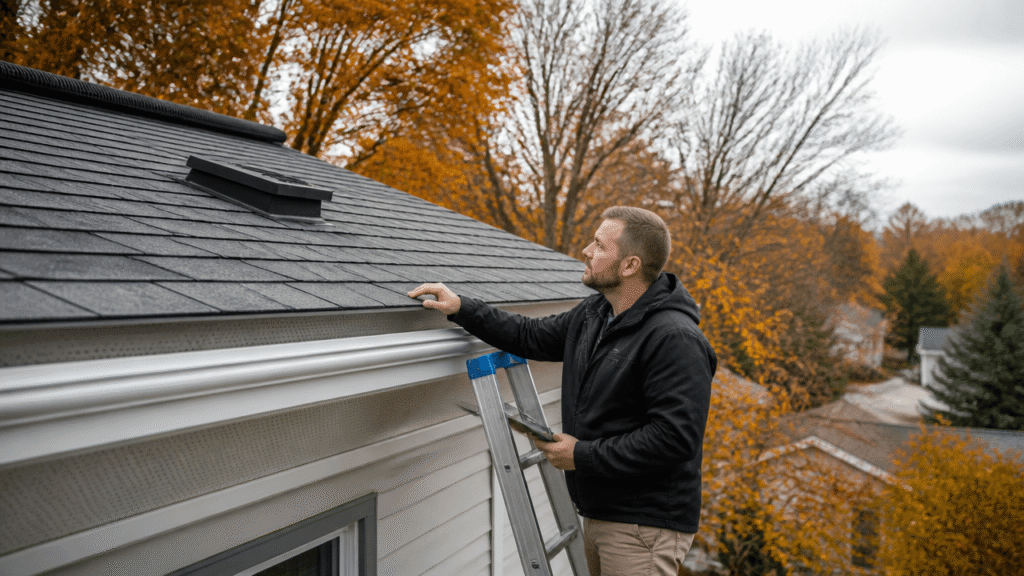
Start by checking the attic on a warm day so you can feel how much heat is trapped inside. Look for hot spots, damp wood, dark stains, or insulation that seems uneven. These signs can point to weak airflow or blocked vent paths.
🪟 Step 2: Check the Intake and Exhaust Vents
Look at the lower vents and the vents near the roof peak to make sure they are open and clear. Intake vents bring cooler air in, while exhaust vents let hot air out, so both sides matter. If either side is blocked, airflow can slow down fast.
🧹 Step 3: Clear Visible Blockages
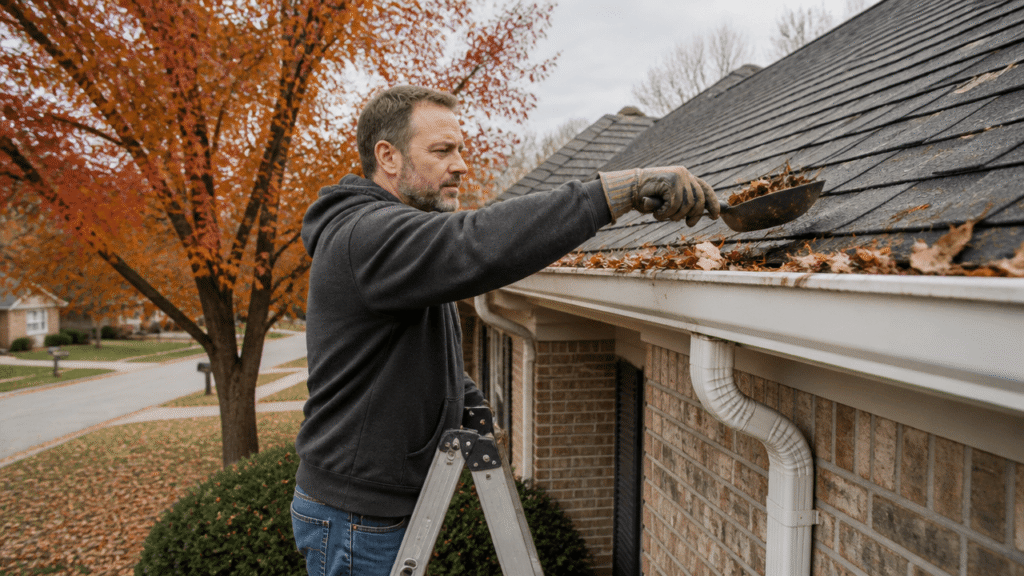
Remove debris, dust, nests, or anything else that is stopping air from moving through the vents. Even small blockages can reduce the way air flows through the attic. Clean openings help the system work the way it was meant to work.
🌡️ Step 4: Check for Heat and Moisture Signs
Watch for curling shingles, peeling paint, or insulation that feels damp. These signs can mean the attic is holding too much heat or moisture. Catching them early can help prevent bigger roof damage later.
📏 Step 5: Confirm Balanced Airflow
Make sure the amount of air going in matches the amount going out as closely as possible. A system that pulls in air but cannot release it will keep heat trapped. Balanced airflow is one of the best ways to reduce summer stress on the roof.
🔧 Step 6: Look at Roof Components for Wear
Check for cracked shingles, weak flashing, or areas that look worn around vents. Ventilation problems often show up together with other roof issues because heat speeds up aging. Fixing damaged parts early helps the whole roof perform better.
🛠️ Step 7: Repair or Replace Failing Parts
Replace damaged vents, worn materials, or any parts that are no longer doing their job. Small fixes can often improve airflow if the problem is caught early. When the issue is more advanced, larger repairs may be needed to restore proper ventilation.
👷 Step 8: Schedule a Professional Roof Check
Have a roofing professional inspect the attic and roof system if the problem keeps coming back. A trained eye can spot hidden causes that are easy to miss from the ground. This step is especially important when summer heat has already caused visible wear.
Common DIY Mistakes to Avoid
Many homeowners try to handle ventilation issues on their own, but a few simple mistakes can make the problem worse. These errors often happen because the signs are easy to miss or the fix seems simpler than it really is. Knowing what to avoid can save time, money, and stress.
- ⚠️ Mistake 1: Only Checking the Roof Surface
Some people focus on shingles and never look inside the attic, where the real signs often show up first. This happens because roof damage feels easier to spot from outside, but airflow problems usually start below the surface. To prevent this, always inspect the attic and vents together. - ❌ Mistake 2: Ignoring Small Blockages
Dust, leaves, and nesting material can seem minor, so they often get left alone. Those small blockages can slow airflow enough to create bigger heat problems over time. Clean the vents fully so air can move the way it should. - 🚫 Mistake 3: Fixing One Side Only
Some DIY repairs focus on exhaust vents and forget about intake vents, or the other way around. That can throw the system out of balance and keep hot air trapped inside. Prevent this by checking both sides of the airflow path before making changes. - ⚠️ Mistake 4: Missing Hidden Moisture Damage
A homeowner may see heat issues but miss damp wood, stains, or soft spots in the attic. This usually happens when the inspection is rushed or done in poor lighting. Use a careful, slow check so you can catch early warning signs before they spread. - ❌ Mistake 5: Waiting Too Long to Get Help
People often assume a ventilation issue is harmless because the roof still looks fine from the street. Summer heat can keep stressing the system, even when the damage is not obvious yet. If the problem keeps returning, bring in a roofing professional before it grows.
Frequently Asked Questions
What are the most common signs of roof ventilation problems in summer?
Yes, the most common signs include hot upstairs rooms, a stuffy attic, and shingles that age faster than they should. You may also notice moisture stains, musty smells, or uneven insulation in the attic. These signs often mean air is not moving through the roof system the right way.
Can poor attic ventilation damage a roof in hot weather?
Yes, poor attic ventilation can damage a roof in hot weather. Trapped heat can wear down shingles, stress roofing parts, and contribute to moisture problems inside the attic. Over time, that extra strain can shorten the roof’s useful life.
How do I know if my attic has enough airflow?
Yes, you can get a basic idea by checking whether air seems to move in and out through the vents and whether the attic feels extremely hot. A balanced system should bring in cooler air and release warm air at the same time. If the attic stays overly hot, airflow may be weak or blocked.
Should I fix roof ventilation problems in summer right away?
Yes, you should fix roof ventilation problems in summer right away. Heat can make small issues grow faster, especially when the attic is already holding too much warm air. Early action can help prevent larger roof repairs later.
Can roof ventilation problems in summer raise cooling costs?
Yes, roof ventilation problems in summer can raise cooling costs. When hot attic air lingers above the living space, your cooling system has to work harder to keep the home comfortable. Better airflow can help reduce that extra strain.
Final Thoughts on Summer Roof Ventilation
Roof ventilation problems in summer can put real stress on your home, but they are much easier to manage when caught early. A careful inspection, clear vents, balanced airflow, and fast repairs can go a long way toward protecting the roof and attic. We help Omaha homeowners stay ahead of heat-related roof trouble before it turns into a bigger issue.
If you have noticed warning signs, do not wait for the damage to spread through the hottest part of the season. A smart roof check now can help protect comfort, lower stress on your home, and keep small problems from growing. For updates and more from our team, follow us on social media.