• Spring is a smart time to check commercial metal roofing because changing weather can reveal hidden wear, rust, loose seams, and drainage problems before they grow into costly repairs.
• Commercial metal roofing benefits in spring include strong weather resistance, reliable water shedding, and better protection for buildings, inventory, and daily operations in Lake St. Louis, MO.
• A careful spring roof check should focus on the roof surface, fasteners, seams, flashing, and drainage areas so small issues can be caught early and handled before storm season gets tougher.
Why Spring Is the Right Time for Commercial Metal Roofing
Spring weather can reveal problems that stayed hidden through the colder months. When a commercial roof starts showing wear, small issues can turn into larger repair needs fast. That is why many property owners look closely at commercial metal roofing benefits in spring before the busy season gets underway.
For businesses in Lake St. Louis, MO, March often brings shifting temperatures, rain, and wind that can test a roof’s surface. Metal roofing handles these changes well, but it still needs a close look to make sure fasteners, seams, and panels are in good shape. If a roof is already aging, now is the time to act before spring storms make the damage worse.
A roof that performs well in spring helps protect the building, the people inside, and the work happening every day. Water intrusion, loose panels, and hidden rust can all create avoidable disruptions if they are left alone. We help local property owners stay ahead of those problems with the kind of care that keeps a roof ready for the season, starting with our commercial roofing services.
Why Metal Roofing Performs Well in Spring
Metal roofing is a strong fit for spring because it sheds rain well and stands up to changing temperatures. As the weather swings from cool mornings to warmer afternoons, the material expands and contracts in a way that works best when the roof is properly installed and maintained. That is one reason commercial metal roofing benefits in spring matter so much for long-term building care.
Spring is also a good time to check for issues that may have developed over winter, such as lifted seams, clogged drainage areas, or worn sealant. These problems may not seem serious at first, but they can let moisture reach the roof deck and nearby building materials. We often see that a simple inspection in spring helps prevent bigger repair needs later in the year, especially for flat and low-slope buildings in Lake St. Louis, MO.
How to Check Commercial Metal Roofing in Spring
🔍 Step 1: Inspect the Roof Surface
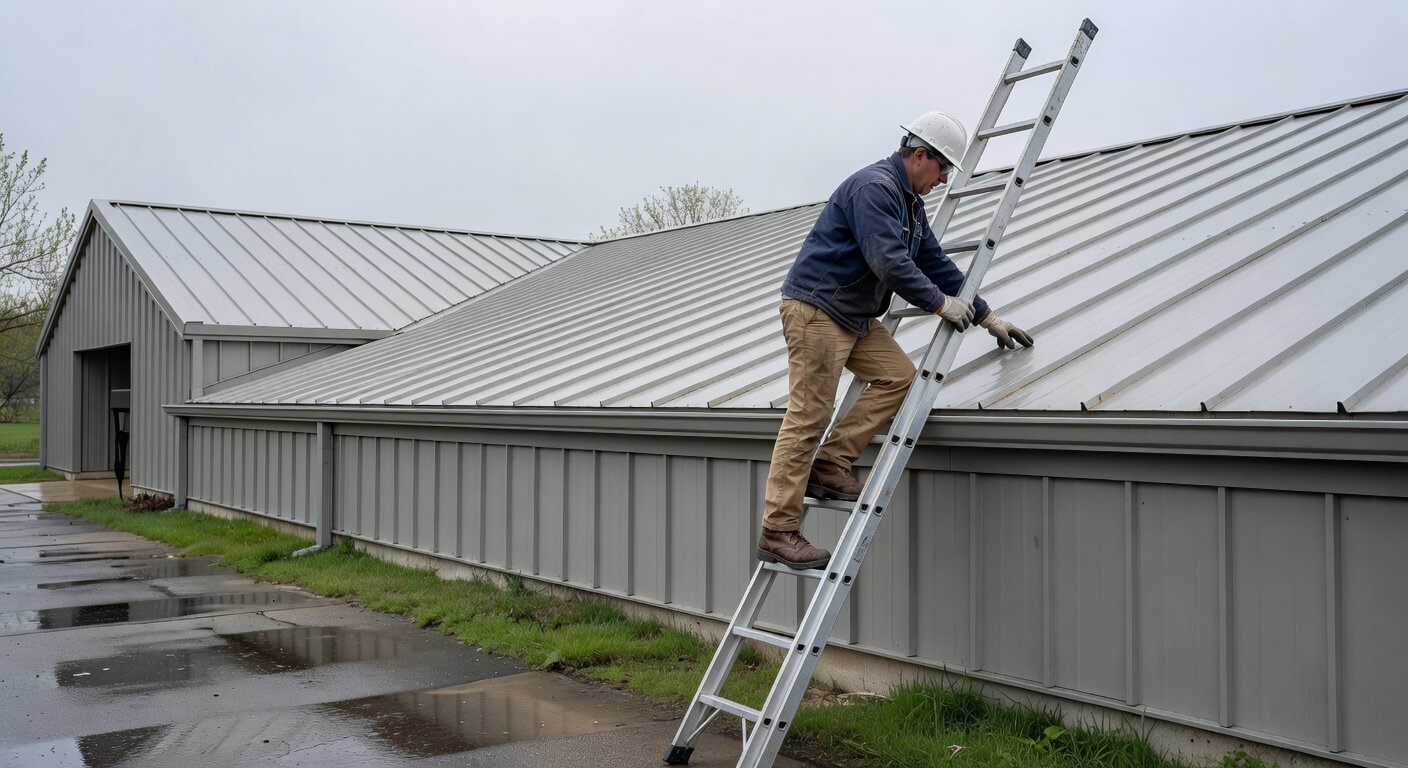
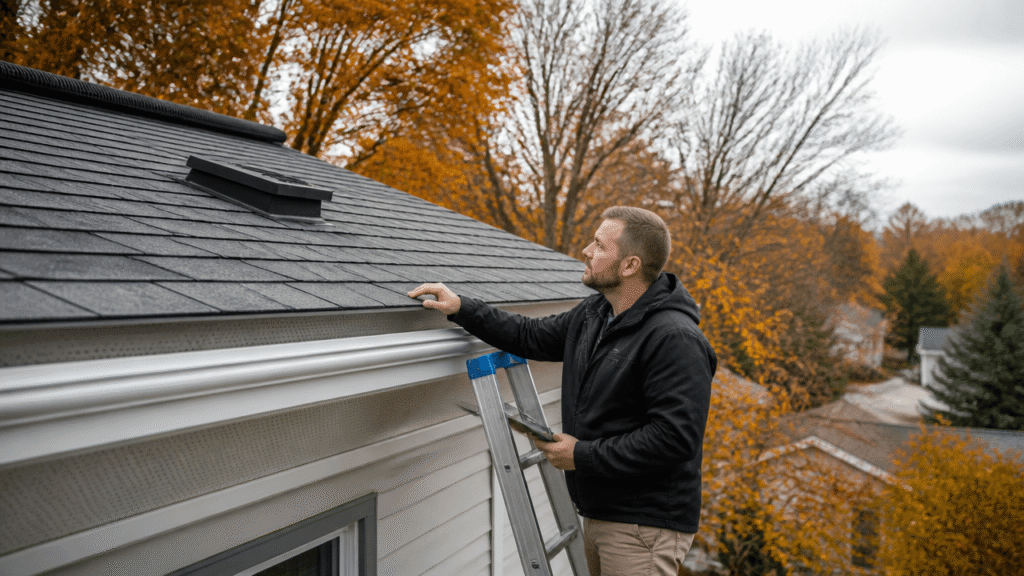
Start by looking for visible signs of wear, including loose panels, bent edges, rust spots, and damaged coating. Spring weather can make these issues easier to spot because rain and wind often expose weak areas. A careful inspection helps catch problems before moisture gets inside.
🧰 Step 2: Check Fasteners and Seams
Look closely at fasteners, seams, and joints to make sure nothing is lifting or pulling apart. Metal roofs depend on these connections to stay watertight, and small gaps can let water in during spring storms. If these areas are not secure, the roof may start leaking around weak points.
🌧️ Step 3: Clear Drainage Areas
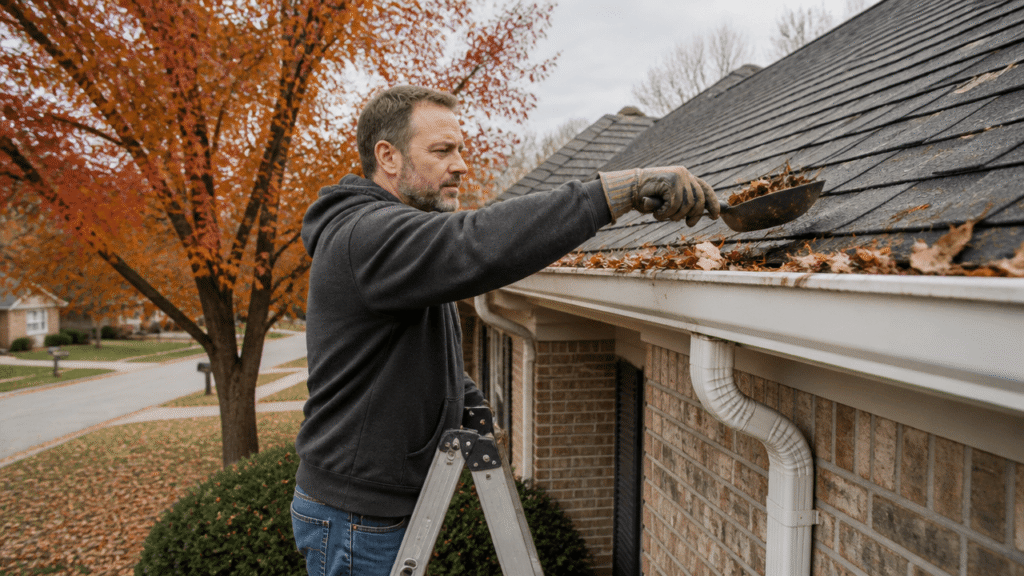
Remove leaves, dirt, and debris from gutters, drains, and roof valleys so water can move off the roof the right way. Spring rain can collect in blocked areas and create extra pressure on the roofing system. Good drainage helps protect both the roof and the building below it.
🧼 Step 4: Clean Off Surface Buildup
Wash away grime, pollen, and debris that can hold moisture against the roof surface. Over time, buildup can trap water and speed up wear on protective coatings. A clean roof is easier to inspect and better able to handle spring conditions.
🛠️ Step 5: Look for Rust or Corrosion
Check for rust along edges, cut points, and areas where the coating may have worn thin. Even small corrosion spots can spread if they are ignored through the season. Catching them early gives the roof a better chance to last longer.
📋 Step 6: Review Flashing and Penetrations
Inspect flashing around vents, skylights, HVAC units, and other roof openings. These spots often face more stress because they break up the roof surface and need tight sealing. Spring rain can quickly reveal whether those details are still holding up.
🏢 Step 7: Confirm Building Protection
Make sure the roof is still doing its job of protecting inventory, equipment, and daily operations. A metal roof in good shape supports the building’s structure and helps reduce the risk of costly water damage. This step is important for business owners who want fewer interruptions during the season.
Common DIY Mistakes to Avoid
A spring roof check can be helpful, but only when it is done with care. Many DIY mistakes happen because people rush, skip small details, or focus only on what is easy to see. The biggest problem is that one missed issue can lead to leaks, corrosion, or extra damage when spring weather keeps moving in.
⚠️ Mistake 1: Only Checking the Roof from the Ground
This happens when someone assumes a quick look from below is enough to spot trouble. It often misses seam gaps, loose fasteners, and surface wear that can only be seen up close. To prevent this, inspect the roof carefully and pay attention to the parts that take the most weather exposure.
❌ Mistake 2: Ignoring Small Rust Spots
Small rust marks are often overlooked because they do not seem serious at first. They happen when protective coating starts to wear down, especially around cut edges and older sections. Prevent this by treating rust as an early warning sign instead of a minor flaw.
🚫 Mistake 3: Leaving Drains and Gutters Clogged
Debris buildup blocks water flow and makes standing water more likely during spring rain. This mistake usually happens when cleanup is delayed or drainage areas are not checked at all. The best prevention is to clear those areas before heavy showers begin.
⚠️ Mistake 4: Forgetting Flashing and Roof Openings
Many people focus on the roof field and skip the flashing around vents, units, and skylights. These points are common leak spots because they depend on tight seals to stay secure. Prevent problems by giving every opening the same careful attention as the main roof surface.
❌ Mistake 5: Using the Roof Without Confirming It Is Stable
This mistake happens when a person assumes the roof is fine because it looks normal from a distance. Hidden issues like lifted seams or weak fasteners can still be present and may worsen once spring storms arrive. Prevent this by checking the roof’s condition before placing trust in it for another season.
Frequently Asked Questions
What are the main commercial metal roofing benefits in spring?
Yes, the main benefits are strong weather resistance, good water shedding, and reliable performance during changing temperatures. commercial metal roofing benefits in spring also include easier spotting of wear after winter, which helps owners address problems early.
Why is spring a good time to inspect a metal roof?
Yes, spring is a smart time to inspect a metal roof because rain, wind, and temperature swings can reveal damage that winter may have left behind. This makes it easier to catch loose seams, rust, and drainage problems before they grow.
How often should a commercial metal roof be checked in spring?
Yes, a commercial metal roof should be checked at least once in spring, and more often if the building has had recent storms. Regular checks help keep small issues from turning into leaks or corrosion.
Can a metal roof still leak in spring?
Yes, a metal roof can still leak if seams, flashing, or fasteners are damaged. Even though metal roofing is durable, it still needs proper maintenance to keep water out during rainy weather.
What should business owners look for during a spring roof check?
Yes, business owners should look for rust, loose panels, blocked drainage, and damaged flashing. These are the most common trouble spots and often give early warning that the roof needs attention.
Ready for the Season Ahead
Spring is the right time to make sure a commercial metal roof is ready for rain, wind, and daily use. A careful check now can help reduce damage, protect the building, and support steady business operations through the season. That is why paying attention to commercial metal roofing benefits in spring makes sense for property owners who want fewer surprises.
We know how much a dependable roof matters when the weather starts changing in Lake St. Louis, MO. When the goal is to keep your building protected and your roof working the way it should, we are here to help you move forward with confidence. To stay connected with our team, follow us on social media.