• Check siding early to catch storm-season damage before it spreads. Small cracks, gaps, warping, and loose panels can let water in and lead to bigger problems once heavy rain and wind arrive in Lake St. Louis.
• Follow a simple inspection process to spot warning signs fast. A full walk-around, close checks around windows and doors, and a look for moisture marks can help you find damage before summer storms make it worse.
• Avoid common DIY mistakes that hide real siding problems. Skipping cleaning, ignoring tiny gaps, or waiting until after the first storm can turn a small repair into a costly issue later.
Why Siding Checks Matter Before Storm Season
June in Lake St. Louis brings warm weather, fast-changing skies, and the kind of storms that can test every part of a home’s exterior. That is why siding repair signs before storm season should never be ignored, especially when small damage can turn into a bigger problem once heavy rain and strong wind arrive. A loose panel or a cracked section may seem minor now, but it can let water reach the layers behind it and create more work later. We help homeowners stay ahead of that risk by spotting trouble early and fixing it before the weather turns rough.
When siding starts to fail, the damage does not always show up all at once. You may see warping, gaps, peeling, or soft spots that point to moisture getting in where it should not. These signs often appear slowly, which makes them easy to miss during a busy season of yard work, school events, and summer plans. A quick check now can save time, stress, and money once storms start rolling through the Lake St. Louis area.
The goal is simple: protect your home before the season puts it under pressure. If siding is already weak, even one strong storm can make the problem much worse and affect the wall structure underneath. That is why a careful look at your exterior matters, and why we encourage homeowners to act before damage spreads. If you want help knowing where to begin, our siding services can help point you in the right direction.
What Siding Damage Can Tell You
Not every siding problem looks dramatic, and that is what makes early detection so important. In many cases, the first clues are small changes in how the siding sits, looks, or feels on the wall. We often see issues like loose edges, faded sections, or areas that no longer line up the way they should. These are the kinds of warning signs that can point to age, weather wear, or hidden water exposure.
Storm season raises the stakes because wind and rain can push existing damage into a larger repair need. If your siding already has cracks or openings, moisture may move behind the panels and affect insulation, framing, or interior walls. Homeowners in Lake St. Louis should pay special attention in early summer, since this is the time to catch trouble before storms arrive with more force. Taking action now gives your home a better chance to stay dry and secure.
Step-by-Step Guide to Check Your Siding
🔍 Step 1: Walk Around the Home
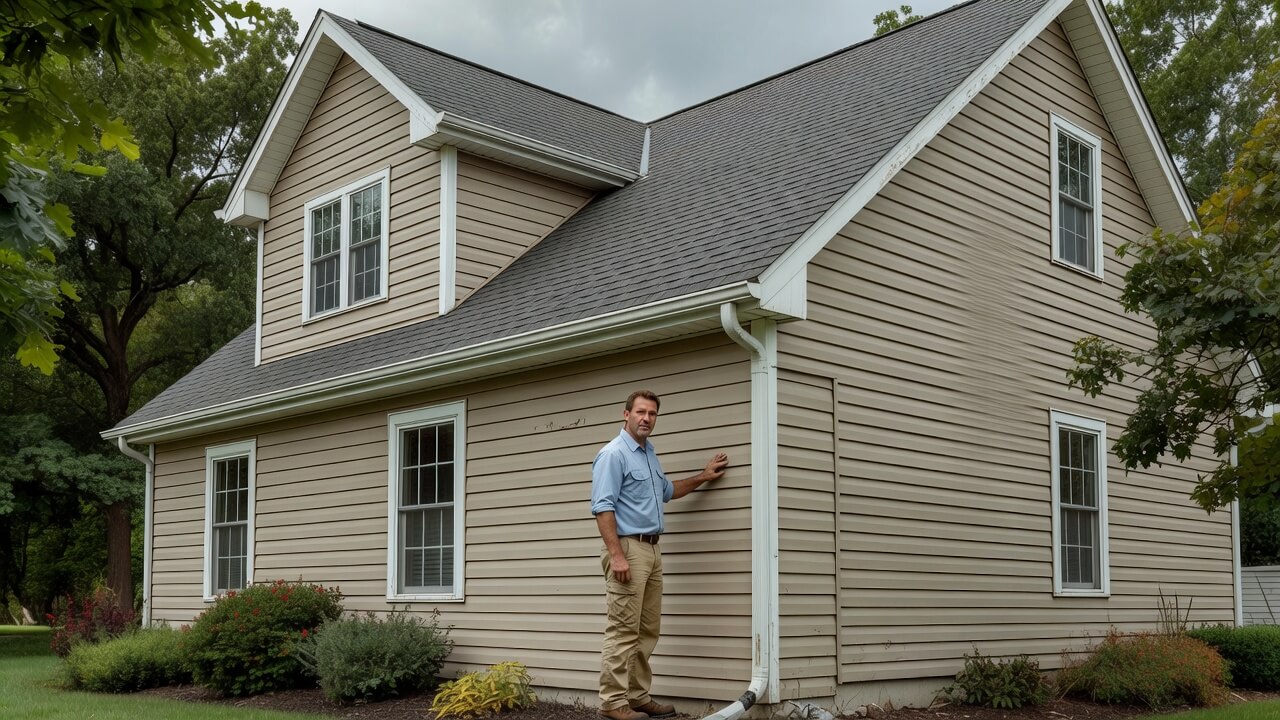
Start by looking at every side of the house in good daylight. Watch for anything that looks bent, loose, cracked, or out of place, since these are often the first signs of damage.
🧱 Step 2: Check for Gaps and Lifted Edges
Look closely at the seams where panels meet and where siding meets trim. Gaps can let in wind-driven rain, so even small openings deserve attention before storm season.
💧 Step 3: Look for Water-Related Marks
Check for stains, bubbling, soft spots, or areas that look darker than the rest of the siding. These changes can mean moisture has already started to affect the material.
🪟 Step 4: Inspect Around Windows and Doors
Pay close attention to the siding around openings in the home because these areas take on a lot of weather stress. If the siding is loose or cracked there, water can move inside more easily.
🌬️ Step 5: Notice Any Loose or Rattling Pieces
Press lightly on siding sections that seem weak or noisy in the wind. If a panel moves too much, storm winds can make the problem worse very quickly.
🧼 Step 6: Clean the Surface and Recheck
Wash away dirt so you can see the siding clearly, then look again for cracks or wear. Dirt can hide damage, so cleaning gives you a better view of what needs attention.
📋 Step 7: Compare Problem Areas Over Time
If you notice a questionable spot, check it again after rain or a windy day. Changes over time can help confirm whether the issue is active and getting worse.
🔧 Step 8: Plan Repairs Before Heavy Weather
Handle damaged areas before storms make the repair bigger and more costly. Early action helps protect the home and reduces the chance of water getting behind the siding.
Common DIY Mistakes to Avoid
Homeowners often try to handle siding issues on their own, but small oversights can lead to bigger damage fast. The most common mistakes usually happen when people rush through the inspection or assume a problem is only cosmetic. Knowing what to avoid helps you protect your home before storm season brings extra stress.
- ⚠️ Mistake 1: Only Checking One Side of the House
This happens when someone spots damage in one obvious area and assumes the rest is fine. Wind and rain can affect different sides in different ways, so skipping the full walk-around can leave hidden damage behind. To prevent this, inspect every wall, especially the sides that get the most weather exposure. - ❌ Mistake 2: Ignoring Small Cracks or Gaps
Many people think tiny openings are harmless, but they can let water slip behind the siding during a storm. This usually happens because the damage does not look urgent at first. The best way to avoid it is to treat any crack, gap, or loose edge as a real warning sign. - 🚫 Mistake 3: Not Checking Around Windows and Doors
These areas are easy to miss because people focus on larger siding panels instead. Water often enters near openings, especially when wind pushes rain sideways. Prevent this by making sure every trim line and edge is part of the inspection. - ⚠️ Mistake 4: Skipping Surface Cleaning Before Inspection
Dirt and dust can hide warping, stains, and soft spots, which makes it harder to judge the real condition of the siding. This mistake usually happens when homeowners want a fast check and do not want to spend time cleaning first. A simple wash or wipe-down makes problems much easier to see. - ❌ Mistake 5: Waiting Until After the First Storm
This is one of the most common and costly mistakes because damage often gets worse once the weather turns rough. People delay repairs when the siding still seems usable, but one strong storm can turn a small issue into a bigger one. To prevent this, handle siding repair signs before storm season while the weather is still on your side.
Frequently Asked Questions
What are the first siding repair signs before storm season?
Yes, the first signs usually include cracks, gaps, loose panels, warping, and areas that look soft or stained. These issues often mean the siding is no longer sealing the home the way it should, which matters more as summer storms move in.
Can small siding damage get worse during a storm?
Yes, small damage can become a bigger problem very quickly during a storm. Strong wind and heavy rain can push water behind the siding and widen cracks or openings. That is why siding repair signs before storm season should be handled early.
How often should we inspect our siding in Lake St. Louis, MO?
Yes, we recommend checking siding at least once before storm season and again after any major weather event. In Lake St. Louis, June is a smart time to look for damage because summer storms can arrive fast and hit hard.
What is the biggest risk of ignoring damaged siding?
Yes, the biggest risk is water getting behind the siding and damaging the home underneath. That can lead to more costly repairs if the problem spreads to insulation, framing, or interior surfaces. Early repair helps reduce that risk.
When should we call a professional for siding repair signs before storm season?
Yes, you should call a professional when you see warping, loose panels, repeated leaks, or damage that keeps getting worse. If the siding looks unsafe or you are unsure how serious the issue is, having it checked early is the safest move.
Ready for the Next Storm
Getting ahead of siding damage is one of the best ways to protect your home before summer weather gets rough. A careful inspection, a clear repair plan, and quick action can make a real difference when storms move through Lake St. Louis. We believe that small steps now can help prevent bigger problems later.
If you notice warning signs, do not wait for the first strong storm to test your home’s exterior. Taking care of siding repair signs before storm season helps keep your walls protected, your home looking good, and your repair costs under control. For more updates and helpful home care tips, follow us on Facebook.