• Built-up roofing gives commercial buildings layered protection that helps resist leaks, standing water, and daily wear. In Denver’s fall season, that kind of steady roof performance matters even more as temperatures and weather patterns begin to shift.
• This guide shows how to use built-up roofing benefits for commercial roofs by checking roof condition, drainage, seams, and flashing before small problems turn into bigger repair needs. It also explains why regular maintenance helps protect the roof’s long-term value.
• We also cover common DIY mistakes and answer key questions about built-up roofing so property owners can make smarter choices faster. If your commercial roof needs reliable support, this article helps you understand what to look for and what to do next.
Why Built-Up Roofing Matters for Commercial Buildings
Commercial roofs take a beating from sun, wind, rain, and daily wear, so small issues can grow fast. In Denver, fall weather can move quickly, which makes roof planning even more important before colder days arrive. When a system starts to fail, the damage can spread into the building below and disrupt business operations.
That is why built-up roofing benefits for commercial roofs matter for owners who want dependable protection. This roofing style has been used for many years because it is made to handle flat and low-slope surfaces well. For businesses that need steady coverage, timing matters just as much as the roof itself, especially when fall is already here.
We help property owners make smart roofing choices before minor concerns turn into larger repair needs. If a roof is aging, it may already show signs like pooling water, worn surface layers, or weak seams. Our commercial roofing services are built to support buildings that need reliable performance in changing weather.
How Built-Up Roofing Supports Long-Term Protection
Built-up roofing uses several layers to create a strong barrier against moisture and daily damage. Those layers work together to help reduce the chance of leaks and add extra support where a roof needs it most. For commercial properties, that layered design can be a practical choice when durability is a priority.
Another reason owners look at built-up roofing benefits for commercial roofs is the way it can help manage weather stress over time. In a city like Denver, where fall can bring cooler nights and changing conditions, steady roof performance is important for keeping operations on track. We often see that building owners appreciate a system that is made to stay dependable with proper care and regular checks.
How To Use Built-Up Roofing Benefits For Commercial Roofs
📝 Step 1: Review the Roof’s Current Condition
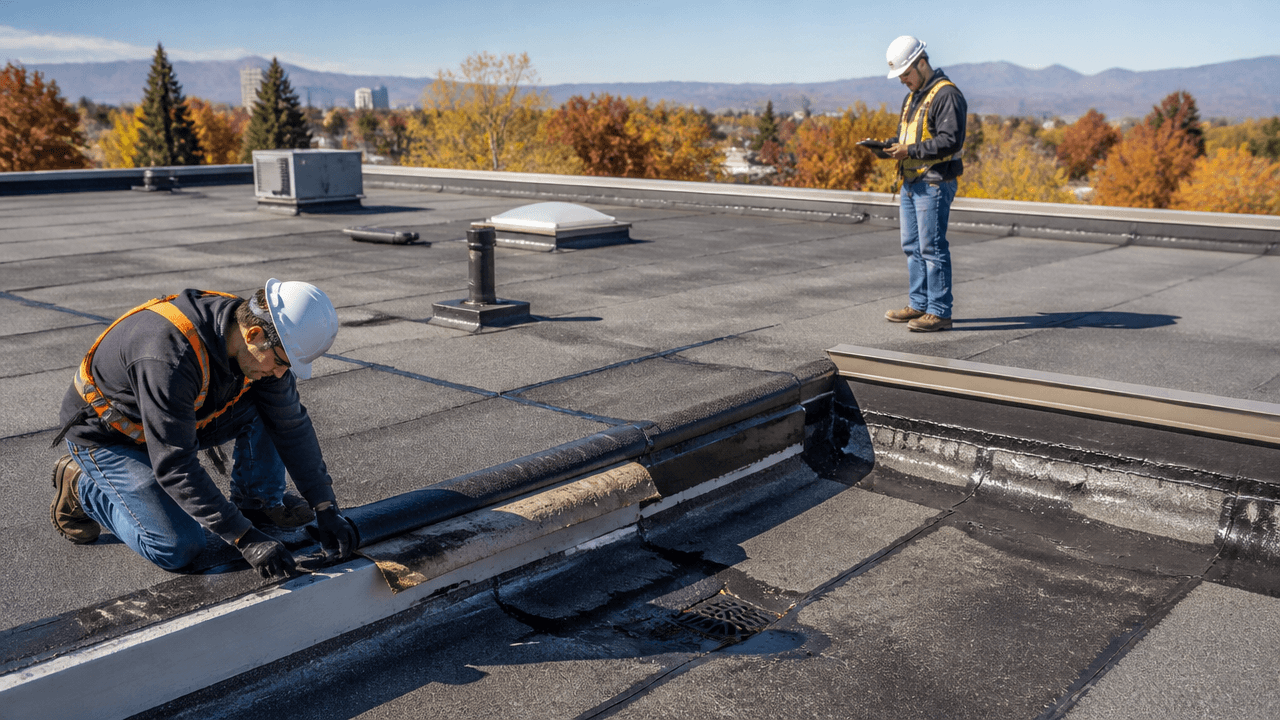
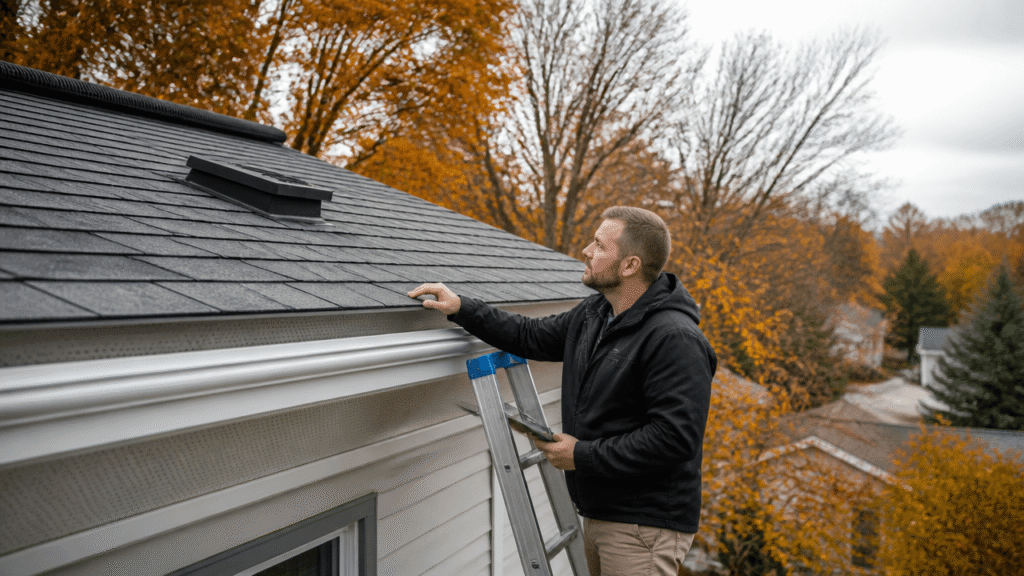
Start by looking for signs of wear, water spots, soft areas, and damaged flashing. These early clues help show whether the roof can still perform well or needs attention soon. A careful review gives you a better idea of whether built-up roofing is a strong fit.
🔍 Step 2: Check the Roof Slope and Drainage
Built-up roofing works best on flat or low-slope commercial roofs. Drainage matters because standing water can create stress on roof layers over time. If water tends to sit in certain spots, that should be part of the decision-making process.
🧱 Step 3: Learn How the Layers Work
Built-up roofing is made with multiple layers that help form a sealed surface. Those layers are designed to help reduce moisture entry and support the roof against everyday wear. Knowing how the system is built makes it easier to see why it has lasting value.
🌧️ Step 4: Match the System to Local Weather
Denver weather can shift quickly, especially in fall, so the roof must handle changing conditions well. A layered roof can help create a more stable barrier against wind, sun, and moisture. Choosing a system with that kind of protection can help support the building through seasonal change.
🔧 Step 5: Focus on Seams and Flashing
The edges, seams, and flashing areas need close attention because those spots are often where leaks begin. Built-up roofing can perform well, but only if those details are installed and maintained correctly. Careful sealing helps the roof do its job more effectively.
📋 Step 6: Plan for Regular Maintenance
Any commercial roof needs routine checks to stay in good shape over time. Dirt buildup, small cracks, and worn spots are easier to manage when they are found early. A regular care plan helps protect the value of the roofing system.
🛠️ Step 7: Compare Repair Needs and Long-Term Value
Look at whether patching the current roof will solve the problem or only delay it. Sometimes the long-term value of built-up roofing makes more sense than repeated short repairs. Making that comparison can help you choose the option that fits the building best.
🏢 Step 8: Work With a Commercial Roofing Team
A skilled team can help confirm whether built-up roofing is the right match for your property. They can also identify hidden issues that are easy to miss during a basic walk-through. That extra guidance helps you make a more confident decision for your building.
Common Mistakes To Avoid With Built-Up Roofing
Many DIY roofing mistakes happen because the problems are not fully visible at first. A roof may look fine from the ground while still having hidden damage in key areas. Avoiding these errors helps protect the roof, the building, and the people inside.
It also takes patience to follow each step carefully instead of rushing through the job. When people skip details, they often end up creating more work later. The best way to prevent problems is to treat every layer, seam, and drain point with care.
- ⚠️ Mistake 1: Ignoring Early Warning Signs
Some people wait until a leak becomes obvious before taking action. This often happens because small signs like stains or worn edges seem minor at first, but they can point to larger problems beneath the surface. To prevent this, inspect the roof early and treat visible wear as a real warning. - ❌ Mistake 2: Using the Wrong Roof Type
Not every roofing system fits every building, and built-up roofing is best for flat or low-slope surfaces. This mistake usually happens when someone chooses based on price alone instead of roof design. To avoid it, match the roofing system to the shape and drainage needs of the building. - 🚫 Mistake 3: Overlooking Drainage Problems
Pooled water can shorten roof life and weaken materials over time. People often miss this step because the roof may look usable even when drainage is poor. Prevent this by checking low spots and making sure water has a clear path off the roof. - ⚠️ Mistake 4: Focusing Only on the Surface
Built-up roofing depends on more than just what you can see on top. This mistake happens when someone checks the visible layer but skips seams, flashing, and edges where leaks often start. Prevent it by inspecting every key area, not just the center of the roof. - ❌ Mistake 5: Skipping Regular Maintenance
Some owners assume a strong roofing system does not need ongoing care. That idea usually leads to small issues growing into bigger repairs because wear builds up over time. To prevent this, set a regular inspection routine and address damage early.
Frequently Asked Questions
What are the main built-up roofing benefits for commercial roofs?
Yes, built-up roofing benefits for commercial roofs include layered protection, solid moisture resistance, and strong performance on flat or low-slope surfaces. It is a practical choice for buildings that need steady coverage and long-term value. With proper care, it can help reduce common roofing problems.
How long does built-up roofing usually last?
Yes, built-up roofing can last for many years when it is installed well and maintained on a regular schedule. Its lifespan depends on weather exposure, roof traffic, and how quickly small issues are repaired. Routine care helps the system stay reliable longer.
Is built-up roofing a good choice for Denver commercial buildings?
Yes, built-up roofing is often a good fit for Denver commercial buildings with flat or low-slope roofs. The layered design can help handle changing weather, which matters during fall and into colder months. It gives property owners a dependable option when roof protection is a priority.
How do I know if my commercial roof needs built-up roofing?
Yes, your roof may be a good candidate if it has a flat shape, shows recurring leaks, or needs a durable surface for long-term use. The built-up roofing benefits for commercial roofs are strongest when the building needs layered protection and steady performance. A roof check can confirm whether it fits your property.
What maintenance does built-up roofing need?
Yes, built-up roofing needs regular inspections, cleaning, and quick repairs when damage is found. Small issues like cracked areas, blocked drains, or loose flashing should be handled early. Ongoing care helps the roof stay in better shape and reduces the chance of larger problems.
Final Thoughts on Built-Up Roofing
Built-up roofing can be a smart choice for commercial properties that need dependable protection, especially when fall weather brings change. When the system is matched to the building and maintained well, it can support long-term roof performance and help reduce avoidable damage. We focus on helping owners make informed choices that fit both the roof and the season.
If you are weighing your options, now is a good time to look closely at roof condition, drainage, and long-term needs. A careful plan today can help protect your building in the months ahead and make future maintenance easier to manage. To stay connected with our team, follow us on Facebook.