• Discover practical steps to prevent heat damage on your shingles, ensuring the longevity of your roof.
• Learn about the importance of regular maintenance and the role of professional inspections in shingle care.
• Gain insights into the latest heat-resistant materials and installation techniques for maximum rooftop protection.
Recognizing the Harbingers of Heat Damage
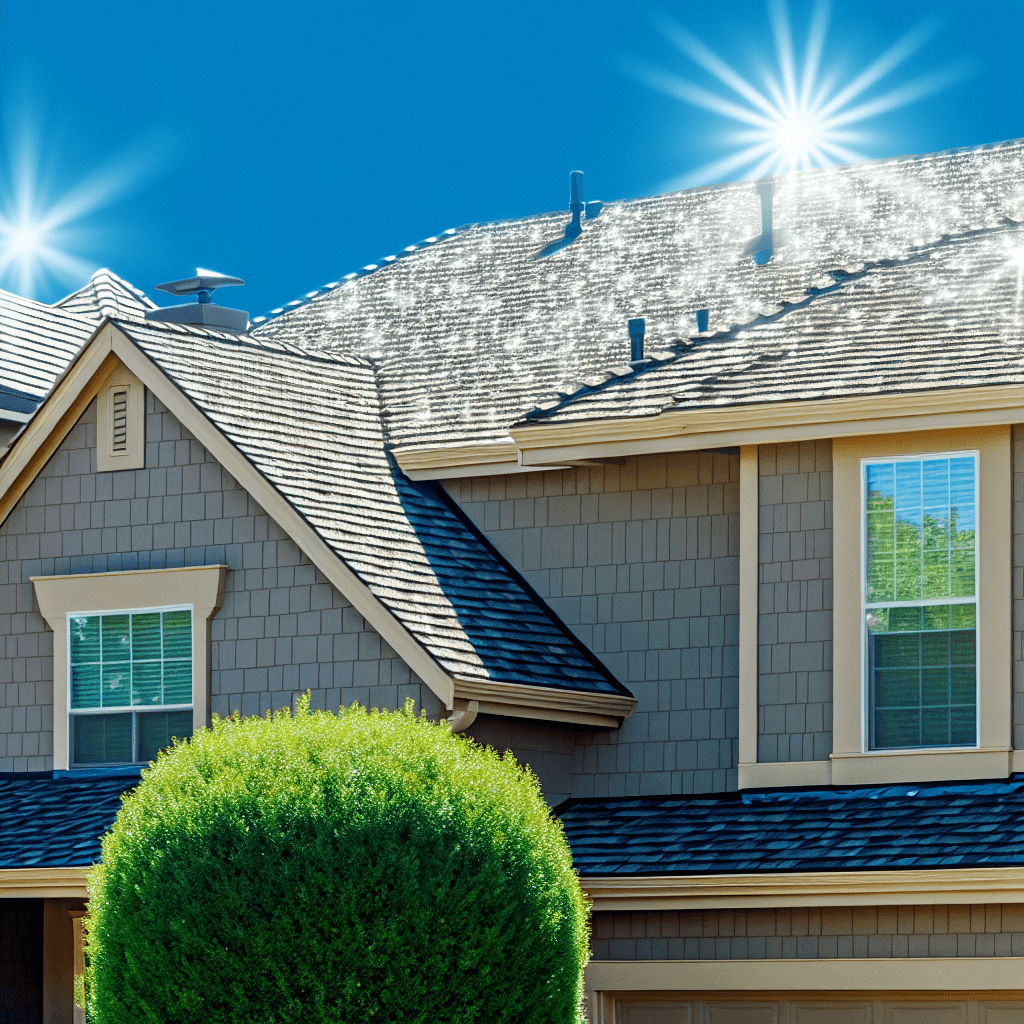
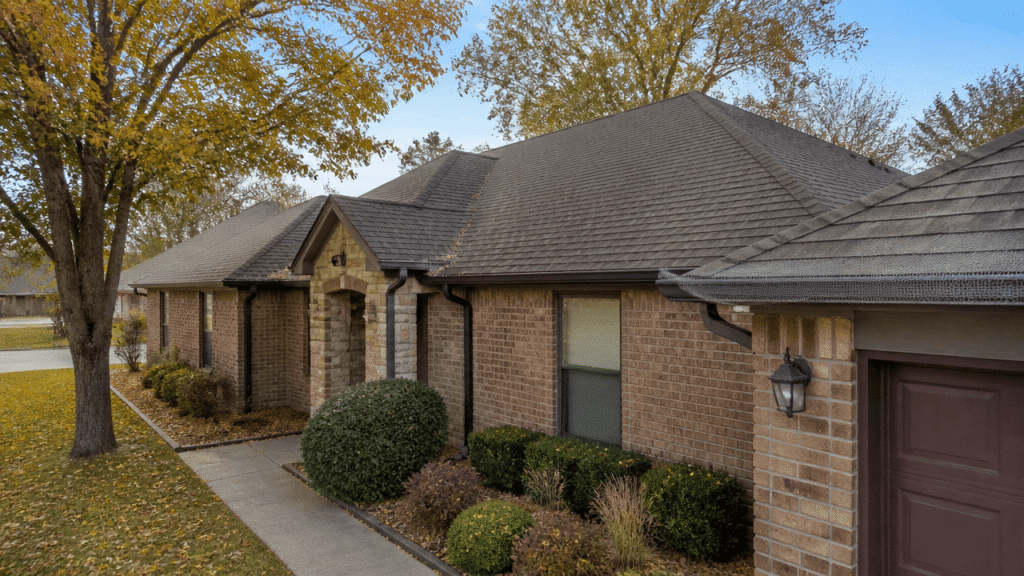
Heat and sunlight are relentless in cities like Houston, where the sun becomes a daily trial for our rooftops. Homeowners should be vigilant for curled or buckling shingles, which can be a clear signal that the intense heat is wreaking havoc on your roof’s lifespan. Another worrisome sign could be a loss of granules, which often manifests as ‘bald’ patches on your shingles, indicating severe degradation. It’s also wise to take note of any discoloration, as this could imply your shingles are burning out, losing their vitality and protective capability.
While it might not be as visible, a tell-tale sign of heat damage can sometimes be felt rather than seen. When the shingles start to feel soft or sponge-like, it means they’re being overcooked by the unforgiving Texas sun, losing their rigidity and resilience. In the attic, a sweltering heat that’s unusual even for Houston’s standards could point toward insufficient ventilation, silently damaging your roof overhead. These symptoms should not be ignored, as they are your roof clearly communicating its need for attention and care.
For roofs, summer in Houston isn’t just a season; it’s a strenuous test of durability. And while some might think a little extra sunlight wouldn’t hurt, for roofs, especially traditional asphalt shingle roofs, the stakes are high. As the frontline defense against heat, it’s vital for shingles to remain intact and functional. Adopting protective measures can mean the difference between a yearly touch-up and a hefty replacement bill, ensuring your home stays safe and cozy beneath the Texan sun.
Selecting the Optimal Roofing Materials
Making the right choice in roofing materials is not just a matter of aesthetics; it’s a decision that impacts the thermal efficiency and longevity of your roof. In Houston’s heat, opting for lighter-colored shingles can have a significant advantage—they reflect sunlight instead of absorbing it, which can diminish the temperature of your roof by several degrees. Materials imbued with special reflective granules serve the same purpose, by casting off the sun’s rays and providing an additional layer of heat defense. With these materials, you can ensure that your roof is not just sturdy but also smart—actively reducing heat buildup and prolonging its own lifespan.
At Shamrock Roofing, we understand that the selection process can be daunting, considering the variety of materials available on the market. That’s why our team emphasizes a personalized approach, taking into account each home’s unique structure and the rigors of the local climate to recommend the most suitable materials. Not only do these reflect the sun’s intensity, but they also contribute to reduced energy consumption, allowing your home to remain cooler without overworking the air conditioning system. This not only provides comfort but also translates into tangible savings on your energy bills.
Boosting Ventilation and Reflectivity
A well-ventilated attic is not a luxury; in the battle against heat, it’s an outright necessity. Proper ventilation allows for a continuous flow of air, preventing stagnant heat from accumulating under your roof and baking your shingles. Installing ridge vents, soffit vents, and other roofing vents ensures this circulation, providing an outlet for the hot air to escape and drawing in cooler air. This is where strategic design meets practicality to create a roofing system that guards against shingle degradation.
Adding a radiant barrier is akin to giving your roof a shield; it’s an aggressive defense against infrared radiation. This tech-savvy solution involves placing a reflective barrier beneath your roof that repels heat away from your living spaces. The result? A significant deduction in the potential for shingle heat damage, ensuring your roof remains unscathed by the sometimes brutal Houston sun. It’s actions like these that contribute to a durable and energy-efficient home, setting a standard in residential roofing care.
Step 1: Understand the Risk of Heat Damage to Your Shingles
Begin by learning how intense heat and UV rays can shorten the lifespan of your roof shingles. Acknowledge that prevention is key, particularly in warmer climates like Houston, TX.
Step 2: Choose the Right Roofing Materials
Select materials designed to reflect more sunlight and absorb less heat. Options like light-colored shingles or shingles with reflective granules can significantly reduce heat absorption.
Step 3: Ensure Proper Attic Ventilation
A well-ventilated attic helps to keep temperatures down in your home, which in turn prevents heat from damaging your shingles. Install roof vents, soffit vents, and ridge vents as needed.
Step 4: Add a Radiant Barrier
Install a radiant barrier beneath your roof to reflect heat away from your home, directly combatting the issue of shingle heat damage.
Step 5: Apply a Roof Coating
Use a reflective roof coating on your shingles. This can increase their reflective properties and provide an extra layer of protection against the sun’s rays.
Step 6: Regular Roof Maintenance
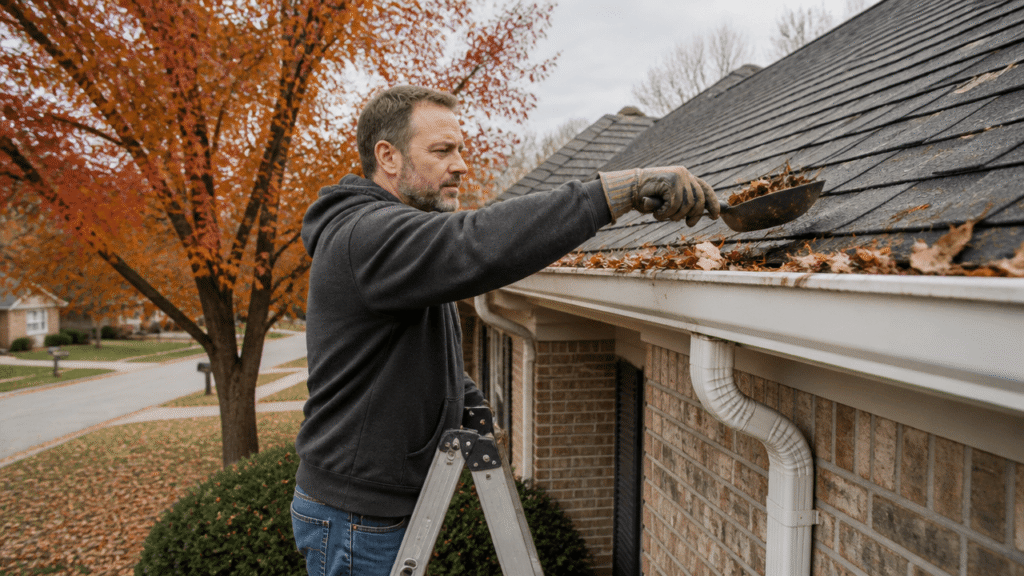
Schedule regular inspections and maintenance checks to ensure that any damages or weak points on your roof are identified and repaired promptly.
Step 7: Increase Roof Insulation
Add extra insulation in your attic to help maintain a stable temperature throughout your home, thereby reducing the likelihood of heat damage to your roof shingles.
Step 8: Consult with Roofing Professionals
For specialized services in reducing heat damage, consult with experienced professionals like Shamrock Roofing to get personalized solutions and expert installations in Houston, TX.
Common Pitfalls in Heat Damage Prevention and How to Avoid Them
In an earnest effort to protect their homes, many owners take on roof maintenance tasks without fully understanding the scope of the project. This well-intentioned DIY spirit can, unfortunately, lead to costly mistakes that could exacerbate heat damage issues. Awareness of these potential missteps is crucial for homeowners, especially when dealing with the relentless Houston sun.
Mistake 1: Neglecting Regular Inspections
– Many homeowners forget to perform regular inspections, underestimating the subtlety of heat damage signs. To avoid this, set a biannual reminder to check for any signs of wear and tear, ensuring early detection and timely interventions.
Mistake 2: Choosing Aesthetics Over Efficiency
– Some may select roofing materials based solely on visual appeal rather than heat-reflective properties. Instead, prioritize materials with a high solar reflective index (SRI), even if it means compromising slightly on the desired look.
Mistake 3: Poor Attic Ventilation Installation
– Improper installation of attic ventilation can restrict airflow, trapping heat and causing shingle damage. To prevent this, ensure that vents are strategically placed and unobstructed, promoting effective air circulation.
Mistake 4: Overlooking Radiant Barriers
– Homeowners often skip the step of adding a radiant barrier, not realizing its potential to deflect heat. Radiant barriers should be installed according to manufacturer instructions to maximize their efficiency in reflecting UV rays.
Mistake 5: Incorrect Application of Roof Coatings
– Applying roof coatings incorrectly can lead to uneven protection, leaving some areas vulnerable to UV damage. Follow the product guidelines for application carefully, or consider hiring a professional to ensure consistent coverage.
Mistake 6: Inadequate Maintenance Frequency
– Waiting until visible issues arise before maintaining your roof allows for accumulated damage. Stick to a scheduled maintenance plan, preferably with seasonal checks, to catch and resolve any problems early on.
Mistake 7: Insufficient Insulation Solutions
– Some homeowners may not use enough insulation or may use insulation that’s ineffective for their particular climate. Consult a local expert like Shamrock Roofing for advice on the best insulation type and quantity for your home.
Mistake 8: DIY Over Professional Expertise
– A reluctance to invest in professional help can lead to mismanaged roof care. When in doubt, it’s safe and wise to rely on the skills and tools of professionals, ensuring quality solutions that are cost-effective in the long term.
Proactive Maintenance and Reflective Coatings
Regular inspection can be the difference between a quick fix and a major overhaul. By scheduling routine maintenance, homeowners can identify potential weaknesses or damages before they escalate into significant issues. Shamrock Roofing specializes in spotting the early signs of wear that could lead to heat damage, ensuring your roof receives the care it needs promptly.
In addition to physical inspections, applying a reflective roof coating can serve as a preemptive strike against heat. These coatings enhance the reflective properties of your shingles, dramatically reducing the amount of absorbed heat. It’s an investment that adds years to your roof’s life and can improve overall energy efficiency within your home.
Increase Insulation and Professional Consultation
Optimizing the insulation in your attic is a smart move to further protect your roof from heat. Quality insulation helps stabilize your home’s internal temperature, easing the workload on your cooling systems, and reducing the strain on your shingles. Coupling this with professional advice from roofing experts will ensure the most comprehensive protection for your roof.
Expert advice can make a tangible difference in effectively reducing shingle heat damage. Professionals at Shamrock Roofing have a wealth of experience in strategies tailored to Houston’s climate. Siding with experts like these means safeguarding your investment and enjoying peace of mind every time the sun bears down.