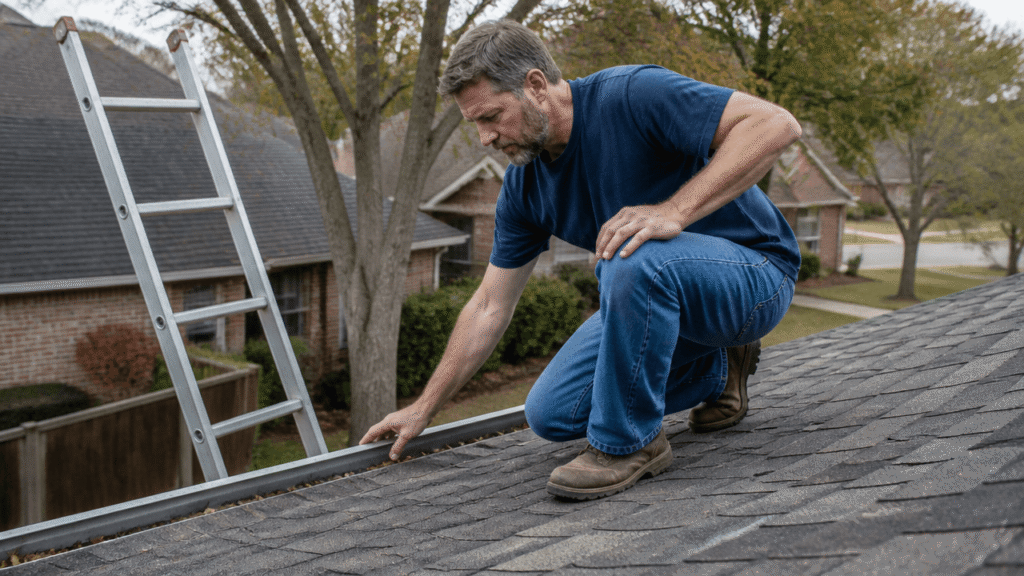
• Catch roof ventilation problems in late summer early by checking for trapped heat, blocked vents, and moisture in the attic before they cause costly damage.
• Use a simple checklist to spot warning signs like hot ceilings, musty smells, warped shingles, and rising energy bills that often point to poor airflow.
• Take action fast if you notice trouble, because late summer heat can make roof ventilation issues worse and shorten the life of your roof system.
Late Summer Roof Ventilation Checklist
The main goal of this checklist is to help you catch roof ventilation problems in late summer before they lead to bigger damage in your home. In Oklahoma City, hot days and warm nights can trap heat in the attic, so checking airflow now can save you trouble later.
Start by looking for signs that your attic is holding too much heat or moisture. If you notice musty smells, hot ceilings, or rising energy bills, it may be time to review your roof system and take action.
A simple inspection can help you spot blocked vents, weak airflow, and other early warning signs. If you want help checking your roof and attic setup, Shamrock Roofing can guide you through the next steps.

Late Summer Roof Ventilation Checklist
Use this checklist to catch roof ventilation problems in late summer before they turn into costly roof damage. A few simple checks can help you spot trapped heat, poor airflow, and early warning signs in your attic.
- ✅ Check attic temperatures for unusual heat buildup
- ✅ Look for blocked or covered roof vents
- ✅ Inspect the attic for moisture buildup or damp spots
- ✅ Make sure insulation is not blocking airflow
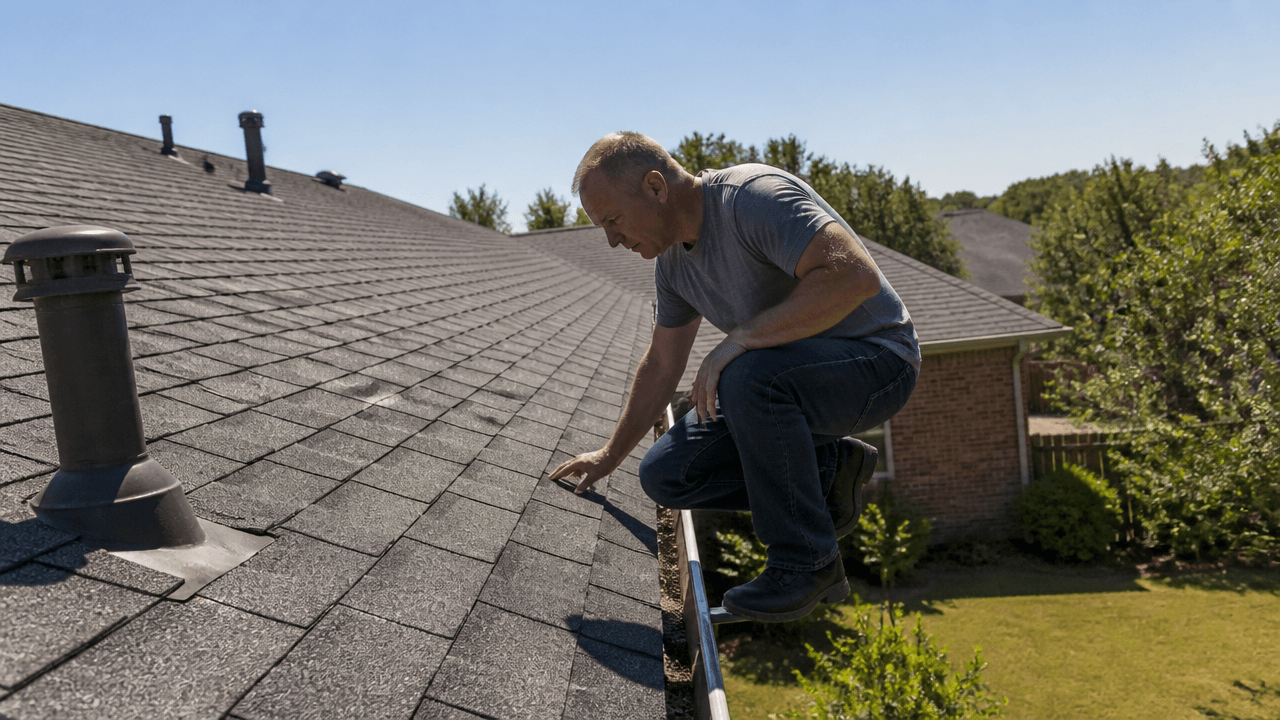
- ✅ Watch for signs of warped shingles near the roof surface
- ✅ Check for musty smells coming from the attic
- ✅ Review energy bills for signs of poor ventilation
- ✅ Confirm that intake and exhaust vents are working together
These steps can help you spot trouble early and keep your roof system working the way it should. If you notice signs of poor airflow, it is smart to act fast before heat and moisture cause more damage.
In a hot Oklahoma City summer, even small roof ventilation issues can put extra stress on your home. A careful check now can help protect your attic, shingles, and comfort level through the rest of the season.
Additional Advice
One of the best things you can do is stay alert for changes inside the home, not just on the roof. If certain rooms feel hotter than normal or your attic seems stuffy, those can be early clues that airflow is not moving the right way.
Many homeowners miss the link between attic heat and roof wear, but the two often go hand in hand. When roof ventilation problems in late summer go unchecked, they can make shingles age faster and put more strain on your cooling system.
It also helps to avoid quick fixes that only hide the real issue. Covering vents, adding the wrong kind of insulation, or ignoring blocked airflow can lead to more trouble later, especially when Oklahoma heat sticks around.
If you are not sure what you are seeing, a roof pro can point out the cause and help you choose the right fix. For trusted local help, roof replacement services may be the right answer if your roof has already taken too much damage.
Frequently Asked Questions
What are the most common roof ventilation problems in late summer?
Roof ventilation problems in late summer usually include blocked vents, trapped attic heat, and poor airflow between intake and exhaust openings. These issues can make your attic hotter and put extra stress on your roof system.
How do I know if my attic has poor ventilation?
Yes, there are clear signs of poor attic ventilation. A hot attic, musty odors, higher energy bills, and moisture marks are all common clues that air is not moving the way it should.
Can roof ventilation problems damage shingles?
Yes, poor ventilation can shorten shingle life. When heat builds up under the roof deck, shingles can age faster and may start curling, cracking, or wearing out sooner than expected.
Why is late summer a bad time for ventilation issues?
Late summer can make roof ventilation problems in late summer worse because the attic keeps holding heat day after day. That extra heat can raise indoor discomfort, strain cooling systems, and increase the chance of roof wear.
Should I call a roofer if I think ventilation is the issue?
Yes, calling a roofer is the safest next step if you suspect ventilation trouble. A trained pro can inspect the attic, find the source of the problem, and recommend the right fix before damage spreads.
Final Thoughts on Late Summer Roof Care
Late summer is a smart time to check your roof because heat, moisture, and blocked airflow can work together to cause hidden damage. A few careful steps now can help you protect your attic, reduce stress on your roof, and avoid bigger repairs later.
If you have noticed warning signs or want a closer look at your roof system, it helps to act before the season changes. For more local updates and roofing tips, follow Shamrock Roofing on Facebook.