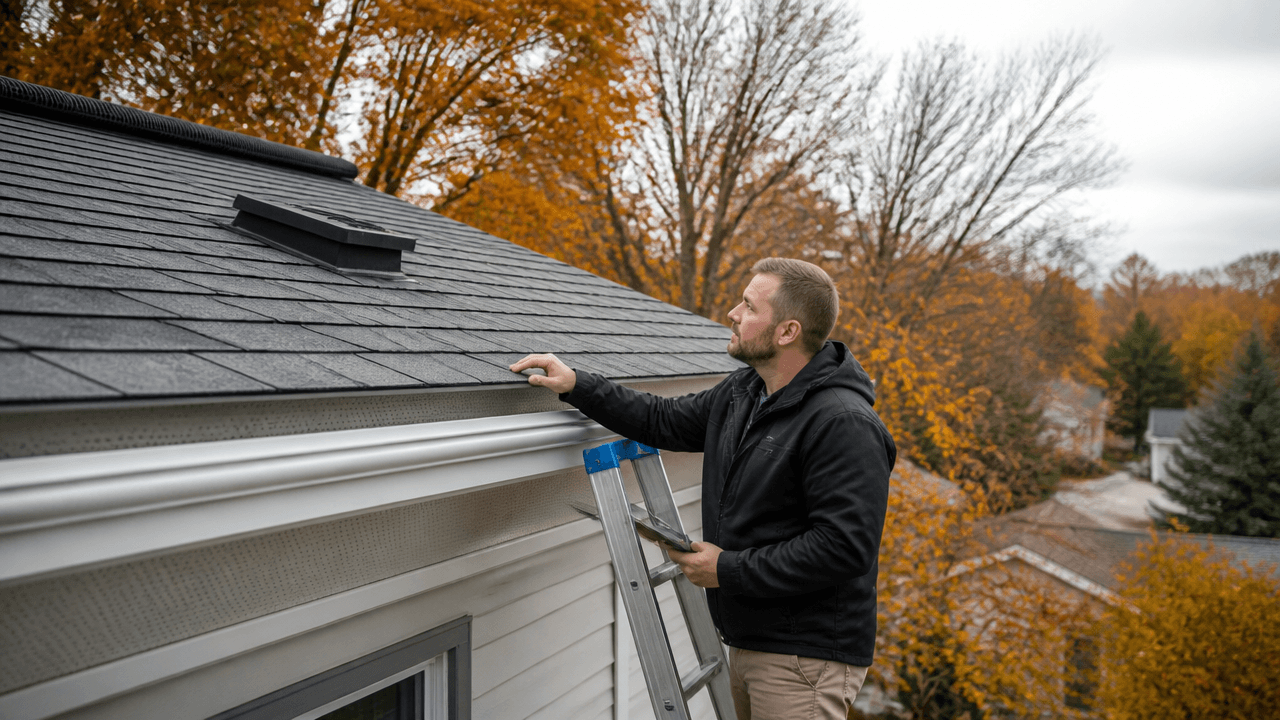
• Roof ventilation types matter most when attic air gets trapped during fall weather in Lincoln, NE. Poor airflow can lead to moisture buildup, heat stress, and uneven roof performance if it is not handled early.
• The right mix of intake and exhaust vents helps a roof work the way it should. Ridge vents, soffit vents, box vents, and powered options each serve a purpose, but they must match the roof design and attic layout.
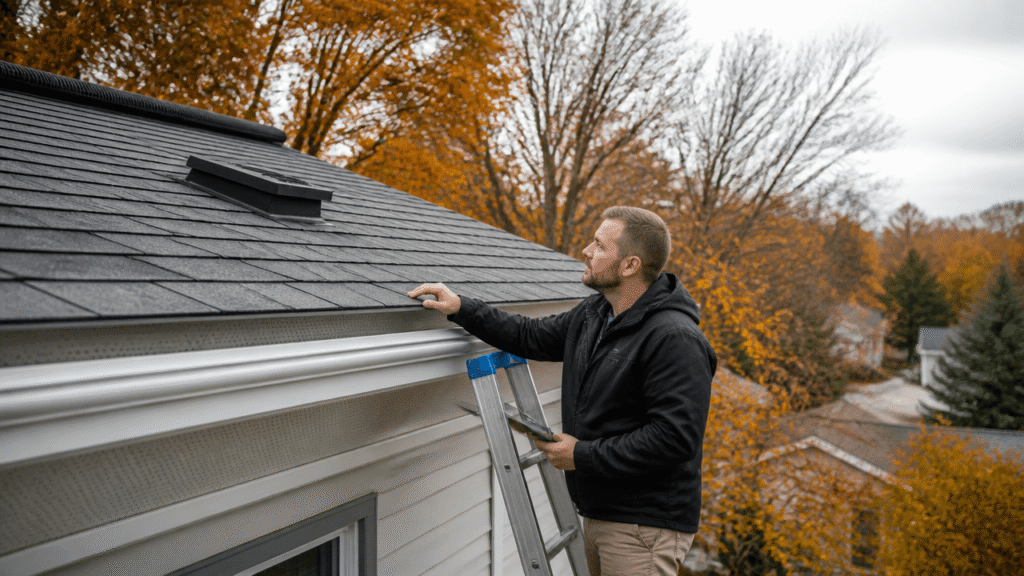
• A quick roof check now can help prevent bigger problems later. Signs like damp insulation, hot attic spaces, or blocked vents can point to weak airflow that should be addressed before colder weather arrives.
Why Roof Ventilation Matters in Fall
When cooler weather settles in Lincoln, many homes start to hold more warm air inside the attic. That trapped air can create moisture, heat buildup, and uneven roof performance if it is not managed well. Understanding roof ventilation types now can help us avoid bigger issues later in the season.
Fall is often the time when small roofing problems start to show up fast. If attic air cannot move the way it should, it can lead to damp insulation, wood stress, and ice issues once temperatures drop further. We want to stay ahead of that cycle before winter puts more pressure on the roof.
The good news is that the right setup can make a real difference in how our roof handles changing weather. A roof that breathes well can support better comfort inside the home and reduce the chance of hidden damage. If we are unsure what our current system is doing, a quick check through our roofing team can help us spot concerns early.
What We Look For in Roof Airflow
Good roof airflow starts with a balanced system that brings in fresh air and lets warm, moist air escape. That balance matters because a roof with too little movement can trap heat in summer and moisture in fall and winter. When we evaluate roof ventilation types, we focus on how the intake and exhaust parts work together.
In Lincoln, seasonal swings can make poor airflow show up in ways that are easy to miss at first. A home may feel fine inside while the attic is quietly collecting moisture from daily living, cooking, showers, and laundry. That is why we pay close attention to the full roof system, not just what we can see from the ground.
Different roof designs call for different approaches, and there is no single setup that fits every home. Ridge vents, soffit vents, box vents, and powered units each serve a purpose when matched to the right structure. The best results come when the system is sized and placed to match the roof and attic layout.
Tips from the Pros
🌬️ Tip 1: Check for steady attic airflow
A healthy attic should have a clear path for air to enter and exit. If the space feels stuffy or holds heat well into the evening, the ventilation balance may be off.
🧱 Tip 2: Look at the full roof design
Roof pitch, attic size, and the shape of the home all affect which roof ventilation types work best. What works on one house may not give the same result on another.
🍂 Tip 3: Watch for fall moisture signs
Condensation, stained decking, and damp insulation are all signs the attic may not be drying properly. In fall, these issues can grow faster because warm indoor air meets cooler roof surfaces.
🔎 Tip 4: Inspect soffit vents for blockages
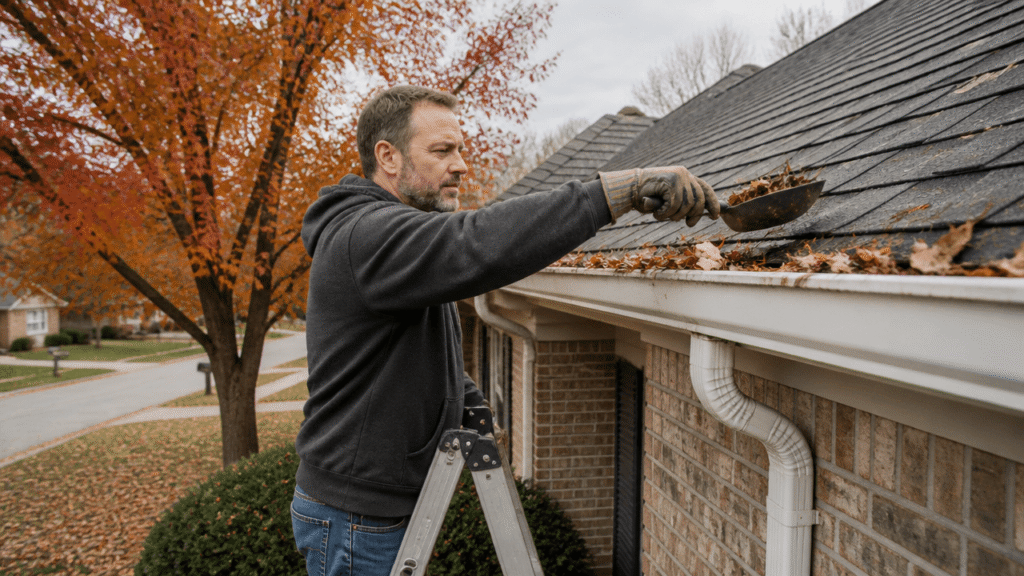
Soffit vents help pull fresh air into the attic, so they need to stay open and clear. Dust, insulation, and debris can block them and reduce the whole system’s performance.
🛠️ Tip 5: Match intake and exhaust vents
A roof needs both intake and exhaust to move air the right way. If one side is too weak, the system can become unbalanced and stop working as it should.
🏠 Tip 6: Pay attention to hot or cold rooms
Uneven room temperatures can point to poor attic ventilation. When the roof system is not moving air well, the home may feel less stable from one area to another.
❄️ Tip 7: Plan ahead before winter arrives
Fall is the best time to fix roof airflow concerns before cold weather sets in. Once temperatures drop, trapped moisture can be harder to deal with and may create more roof stress.
📋 Tip 8: Get a professional roof check
A trained eye can spot weak vent placement, blocked airflow, and signs of wear that are easy to miss. That kind of review helps us choose the right roof ventilation types for long-term performance.
Frequently Asked Questions
What are the main roof ventilation types?
The main roof ventilation types are intake vents and exhaust vents. Intake vents bring in fresh air, while exhaust vents let warm, moist air leave the attic.
Why does roof ventilation matter in fall?
Roof ventilation matters in fall because cooler temperatures can hide attic moisture problems. A balanced system helps reduce condensation and supports better roof performance as the weather shifts.
How do I know if my attic has poor ventilation?
Poor ventilation often shows up as excess heat, moisture stains, or damp insulation in the attic. You may also notice uneven indoor temperatures or musty smells.
Can roof ventilation help with winter roof problems?
Yes, roof ventilation can help reduce some winter roof problems by keeping attic air moving. That airflow can lower the chance of trapped moisture and ice-related stress on the roof.
Do all homes need the same roof ventilation types?
No, all homes do not need the same roof ventilation types. The right setup depends on the roof shape, attic size, and how the home is built.
Final Thoughts on Roof Airflow
Keeping attic air moving the right way is one of the simplest ways to protect a roof through fall and into winter. When we understand the right roof ventilation types, we can make smarter choices that help prevent moisture trouble and roof wear. That small step can save time, stress, and money later on.
If we notice signs of poor airflow or want a better look at our roof’s condition, it helps to act before colder weather sets in. We are always here to help Lincoln homeowners make sense of what their roof needs and what it does not. For more about our work and updates, follow Shamrock Roofing Instagram.