• Step-by-step guide on sealing commercial metal roofs to prevent leaks and extend lifespan
• Professional sealing techniques ensure maximum durability and energy efficiency
• Insights into why expert services are the best option for commercial roofing maintenance
Recognizing When It’s Time for Sealing
When it comes to maintaining the integrity of your commercial building, the roof sits as a critical line of defense, especially in Lincoln, NE, where seasons can be quite extreme. A metal roof, while durable, is not immune to the elements and over time, signs of wear can become evident. It’s essential to keep an eye out for indicators of damage, such as discoloration, rust formation, or water stains on the interior ceiling, which point towards the necessity for commercial metal roof sealing. Catching these early can save a significant amount in potential repair costs and extend the lifespan of the roof.
Proper maintenance of a commercial roof requires a vigilant assessment for subtle changes. Cracks or splits at the seams, or loose and rattling panels, are often tell-tale indicators that your roof’s seal integrity might be compromised. Noticing small puddles accumulating on the flat areas of the metal rooftop after a rainstorm indicates that water is no longer being effectively channeled away. Such signs should prompt a thorough inspection, guiding you to understand if a simple repair or a full sealing application is required.
As you prepare to ensure the robustness of your roofing system, it’s equally important to give attention to the less obvious areas that are susceptible to damage. Check areas around rooftop installations like HVAC units or skylights, as these can be entry points for water. Ensure the inspection takes place on a sunny and dry day to accurately identify the problematic spots. A comprehensive evaluation and the subsequent steps of care can significantly amplify your commercial roof’s ability to withstand the diverse weather conditions in spring and beyond.
Cleaning: The Foundation for Effective Sealing
Before the application of any sealant can occur, it’s imperative that the commercial roof’s surface is spotless and free of any detritus. A clean surface guarantees a superior bond between the metal and the sealant, preventing future leaks and enhancing the durability of the roof structure. Employing a high-pressure washer, remove all traces of accumulated dirt, residues, and especially rust that can impede the sealant’s effectiveness. A thorough cleaning not only prepares the roof for sealing but also provides an opportunity to perform a more detailed inspection of its current state.
Once the roof has been cleaned, it’s crucial to allow it ample time to dry; as moisture is a sealant’s nemesis, compromising its adhesion to the metal surface. While waiting, examine the roof for any overlooked damages or potential water collection points. This drying period is also an opportune time to consult an expert from Shamrock Roofing’s commercial roofing services for an assessment of the roof’s condition. Their input can be invaluable, ensuring that all maintenance needs are met before proceeding with the sealing process.
Addressing Roof Damage Prior to Sealing
Detecting and repairing any damage is the next pivotal step following the cleaning of the metal roof. An efficient fix to minor punctures or deteriorated areas ensures a uniform surface that will optimize sealant application. Use a suitable metal roof repair product to mend these defects, keeping in mind that the integrity of the repair work is paramount for a successful seal . Addressing these issues now can forestall extensive deterioration and the need for a full roof replacement later on.
After repairs have been made, give the roof another once-over to verify that no area has been overlooked. It’s these meticulous preparations that will underline the success of the subsequent sealing efforts. The longevity of the sealing job significantly depends on the thoroughness of this step, laying a robust foundation for the protective layer to come. A well-prepared roof is a well-protected roof, poised to weather the challenges of Lincoln’s dynamic climate.
Step 1: Assess the Roof Condition
Begin by thoroughly assessing the current condition of the commercial metal roof. Look for any signs of damage, rust, or wear that could compromise the roof’s integrity. This step is crucial to determine the extent of sealing needed.
Step 2: Clean the Roof Surface
Before applying sealant, clean the roof surface with a high-pressure washer to remove dirt, debris, and any rust. Ensure the roof dries completely as sealants adhere best to dry surfaces.
Step 3: Repair Any Damage
Fix any visible damage such as minor holes or rusted patches using a suitable metal repair product. This ensures a smooth and even surface for sealing.
Step 4: Choose the Right Sealant
Select a high-quality metal roof sealant that is durable, flexible, and suitable for the weather conditions in Lincoln, NE. Check for products specifically formulated for commercial metal roofs.
Step 5: Apply the Sealant
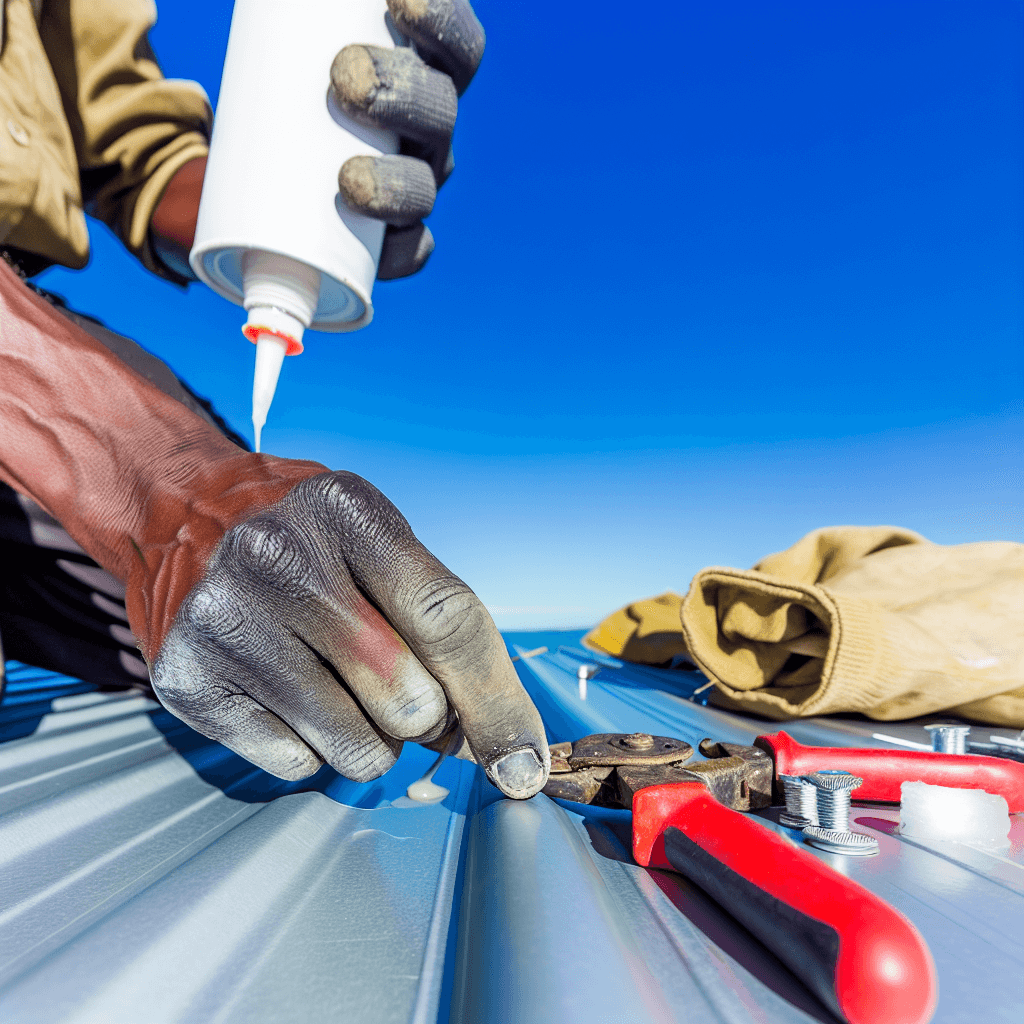
Using a caulking gun or brush, apply the sealant to seams, joints, and any potential leak sites with precision. Follow the manufacturer’s instructions for application thickness and overlap.
Step 6: Seal Larger Areas
For larger flat areas, use a paint roller to apply an even coat of sealant across the roof’s surface. This will ensure a comprehensive sealing that safeguards against future leaks and weather damage.
Step 7: Inspect Sealed Roof
After the sealant has dried, inspect the entire roof to ensure complete coverage. Pay special attention to previously damaged areas and make sure they are fully sealed.
Step 8: Schedule Regular Maintenance
After sealing, schedule regular inspections and maintenance, especially before and after the seasons with extreme weather. This proactive approach will keep the commercial metal roof in top condition.
Avoiding Common Sealing Mistakes
When it comes to commercial metal roof sealing, being proactive about common DIY pitfalls can save time and money. Despite one’s best intentions, errors occur, often turning a simple sealing job into a costly repair project. This introduction sheds light on those avoidable slip-ups and sets you on the path to a flawless sealing process.
Mistake 1: Neglecting Thorough Inspections
Frequent oversight happens when individuals rush the inspection phase, missing subtle signs of damage like minuscule cracks or rust spots. This could lead to incomplete sealing, leaving your roof vulnerable to future issues. Prevent this by systematically assessing every inch of the roof with a methodical approach.
Mistake 2: Inadequate Cleaning
Another common misstep is cleaning the roof insufficiently or skipping the drying phase. Sealants require a clean, dry surface to adhere properly; any residue or moisture can compromise the seal. Always use a high-pressure washer and allow ample drying time before applying any sealant.
Mistake 3: Overlooking Minor Repairs
Sometimes, small holes or rusted areas are deemed too insignificant to fix before sealing. However, even the smallest gaps can expand and cause leaks over time. Use a suitable repair product to address these issues before proceeding to seal the roof.
Mistake 4: Choosing a Low-Quality Sealant
Opting for a cheaper, low-quality sealant might seem like a saving, but it often results in poor longevity and protection. Select a high-quality sealant formulated for commercial roofs and specific to Lincoln’s weather, ensuring a durable sealing job.
Mistake 5: Inaccurate Sealant Application
A uniform and precise sealant application is crucial; uneven coverage can lead to poor protection and water pooling. Follow the manufacturer’s guidelines for application methods and thickness to achieve the best results.
Mistake 6: Skipping Post-Sealing Inspection
Failing to inspect the roof after the sealant has dried can mean missing spots or bubbles in the sealant. After application, thoroughly check the roof and address any deficiencies immediately.
Mistake 7: Ignoring Regular Maintenance
One of the biggest mistakes is considering the job done after sealing. Regular maintenance is essential to roof health, so schedule routine inspections, particularly after extreme weather events.
By becoming aware of these common errors and understanding how to circumvent them, your commercial metal roof sealing efforts can be successful, ensuring your roof remains in excellent condition for years to come.
Selecting the Optimal Sealant
Choosing the right sealant is not just about purchasing any available product; it’s about finding the perfect match for your commercial roof’s material and the local climate. The sealant needs to withstand both the seasonal variances and daily temperature fluctuations of Lincoln, NE. To navigate through the available options, enlist the assistance of professionals at Shamrock Roofing’s commercial roofing services, who can recommend a product that’s proven to be effective in similar environments.
Skillful Application for Lasting Results
The application process is as critical as the sealant selection. Using a caulking gun or a paint roller, depending on the area’s size, ensures the sealant covers adequately and creates an impenetrable barrier. Careful application not only prevents future leaks, but also extends the commercial roof’s life expectancy, making it a worthwhile investment in your property’s longevity.