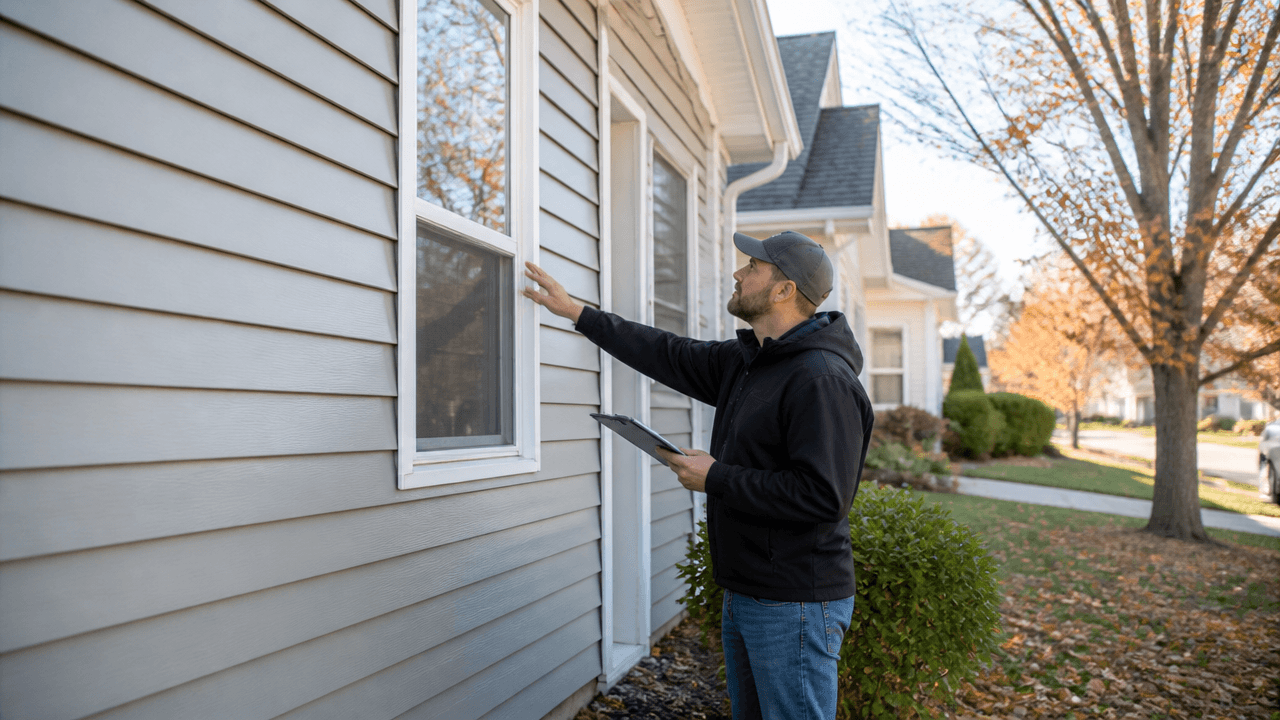
• Inspect siding early for cracks, gaps, loose panels, and warped spots before cold weather makes damage worse. Catching small problems now can help protect your home from moisture and drafts.
• Focus on weak spots around windows, doors, corners, and seams where wear often shows up first. These areas are more likely to let in water and cold air if repairs are delayed.
• Act before the first freeze to keep siding sealed and ready for winter weather. A timely repair can help reduce bigger issues and support a safer, more comfortable home.
Why Siding Needs Attention Before Cold Weather
When fall arrives in Lee’s Summit, MO, our homes start feeling the shift long before the first hard freeze. Small siding issues can turn into bigger problems fast once wind, moisture, and cold air start working together. That is why siding repair before winter weather should be handled early, while conditions are still easier to manage.
Even a tiny crack can let water sneak behind the panels and create trouble where we cannot see it. Once temperatures drop, that trapped moisture can lead to more damage and make repairs harder to control. If we act now, we can protect the home’s exterior and reduce the risk of a larger fix later.
Our team knows that timing matters when the seasons change, especially in a place where weather can shift quickly. A quick check today can help us catch loose boards, gaps, or damaged sections before they become a winter headache. If you want to see how we help homeowners with exterior care, visit our siding services page.
What Smart Siding Care Looks Like
Good siding care starts with a careful look at the whole outside of the home, not just the most visible areas. We pay close attention to spots near corners, windows, doors, and seams because those are common places for wear to show up first. In fall, it makes sense to address these weak points before freezing weather makes the material more rigid.
We also look for signs that water or weather has already left its mark, such as warped panels, soft spots, or loose edges. These issues may seem minor at first, but they often point to bigger concerns beneath the surface. Taking care of siding repair before winter weather helps keep the home sealed, stable, and ready for colder days ahead.
Tips from the Pros
🔎 Tip 1: Check the seams first
Look closely at the joints where siding pieces meet, since these are common areas for gaps to form. If seals or edges are open, cold air and moisture can move behind the siding more easily.
🌧️ Tip 2: Watch for water stains
Discoloration on siding can point to moisture problems that need attention. Stains around windows, corners, or lower walls often mean water is not draining the way it should.
🛠️ Tip 3: Repair loose panels early
Loose siding can shift more when fall winds pick up, which may lead to bigger damage later. Fixing it now helps keep the exterior tight before colder weather sets in.
🪟 Tip 4: Inspect around windows and doors
These areas often show stress before the rest of the wall does. If caulk is cracked or gaps are visible, the home may be more open to drafts and moisture.
🍂 Tip 5: Clear debris from the exterior
Leaves and dirt can hold moisture against the siding, especially near the base of the home. Keeping these areas clear helps the material dry properly after rain or damp fall weather.
🌬️ Tip 6: Look for wind damage after storms
Strong fall winds can lift edges or weaken older siding sections. A fast check after a storm can help us spot damage before it spreads.
📋 Tip 7: Check for soft or warped spots
Siding should sit flat and stay firm against the wall. Softness or bending can signal damage underneath that needs attention before winter weather makes it worse.
🏠 Tip 8: Schedule repairs before the first freeze
Cold weather can make some repair work harder to complete and can stress damaged siding even more. Handling siding repair before winter weather helps protect the home before temperatures drop for good.
Frequently Asked Questions
Why should siding be repaired before winter?
Yes, siding should be repaired before winter because cold weather can make existing damage worse. Small gaps or cracks can let in moisture, wind, and cold air, which may lead to larger problems later.
What are the signs that siding needs repair?
Yes, common signs include cracks, loose panels, warping, stains, and gaps near seams or trim. These warning signs often mean the siding is no longer sealing the home the way it should.
Can damaged siding cause other problems in the home?
Yes, damaged siding can allow moisture and cold air to reach the structure behind it. Over time, that can affect comfort, energy use, and the condition of the wall beneath the siding.
How often should siding be checked for damage?
Yes, siding should be checked at least once or twice a year, especially before colder weather arrives. Regular checks help catch small issues early, which can make repairs simpler and more manageable.
Is siding repair before winter weather a good idea in Missouri?
Yes, siding repair before winter weather is a smart step in Missouri because fall conditions can change quickly. Addressing damage early helps prepare the home for colder temperatures, rain, and wind.
Final Thoughts Before the Temperature Drops
Taking care of siding now gives us a better chance to avoid stress once winter arrives. Small repairs can make a real difference in keeping the home protected, comfortable, and ready for the season ahead.
For homeowners in Lee’s Summit, MO, fall is the right time to stay ahead of exterior damage before the weather turns harsh. If you want to keep up with our latest updates and homeowner tips, follow us on Facebook.