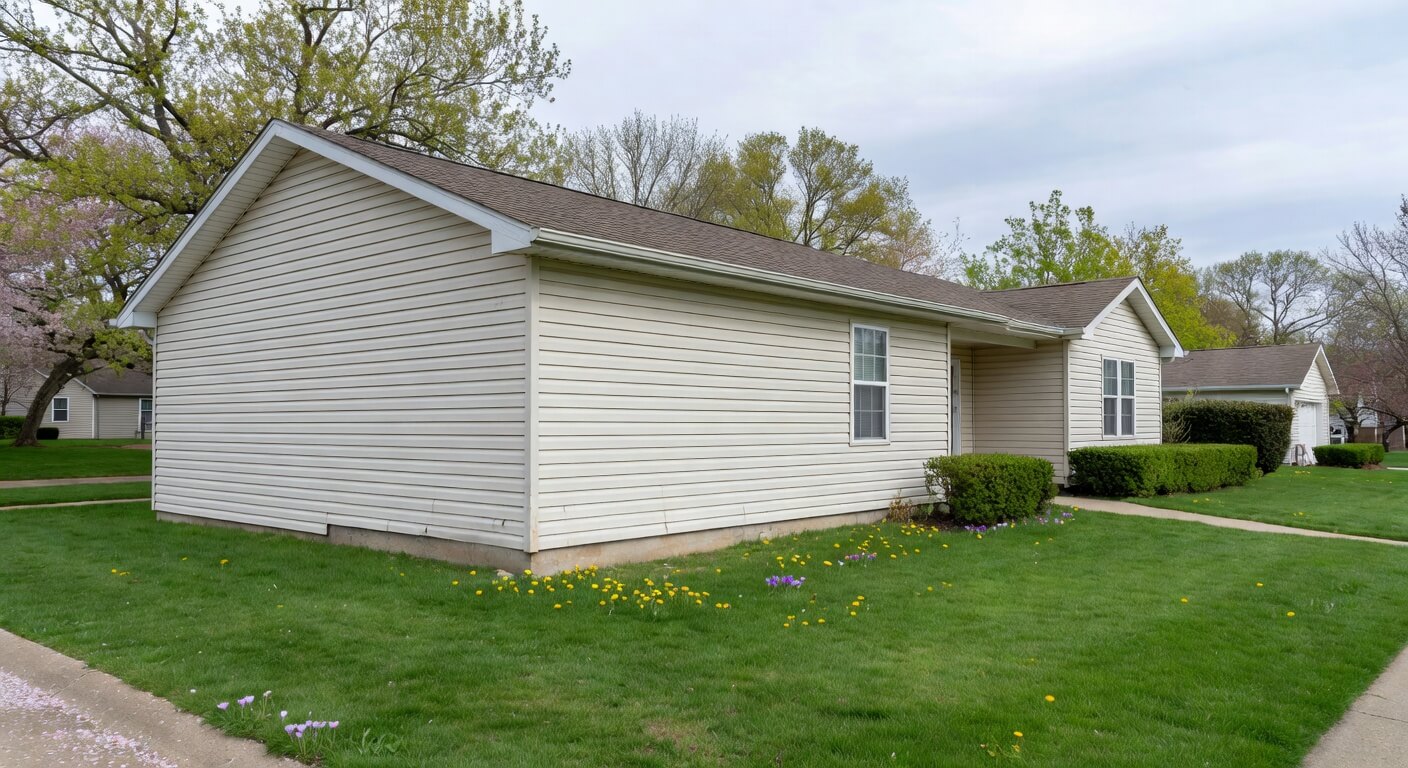
• Spring weather in Lake St. Louis can make siding problems easier to spot, especially after winter wear and tear.
• Cracks, warping, stains, and loose panels are common signs your siding may need replacement before bigger damage starts.
• A quick spring inspection can help protect your home, save money on repairs, and keep your exterior strong and clean.
Why Spring Siding Checks Matter
March in Lake St. Louis can bring quick weather swings, and those shifts can put extra stress on your home’s exterior. When warm days follow cold nights, siding can loosen, crack, or shift in ways that are easy to miss at first. That is why spotting signs your siding needs spring replacement early can help you avoid bigger damage later.
Small siding problems often grow faster than people expect after winter ends. Water can slip behind damaged panels, and that hidden moisture may lead to stains, soft spots, or even issues inside the wall. If your home has started showing changes after the cold season, we recommend taking a closer look at our siding services before minor wear turns into a costly repair.
Spring is a smart time to check your home because daylight makes damage easier to see. You may notice warping, gaps, or fading that were hard to spot during the colder months. Paying attention now gives you a better chance to protect your home’s structure and keep your exterior looking clean and secure.
What Spring Damage Can Reveal
Siding damage does not always start with a dramatic break or missing piece. In many cases, it begins with small signs like loose panels, nail pops, or edges that no longer sit flat against the house. These issues can point to moisture movement, weather wear, or simple age that has reached a point where replacement makes more sense than repeated patching.
We often tell homeowners to look at the full picture, not just one cracked section. If several areas look worn or if the damage keeps returning, the siding may no longer be doing its job the way it should. A careful spring inspection can help you decide whether repairs are enough or whether it is time to address signs your siding needs spring replacement before more of the home is affected.
Tips from the Pros
🔎 Tip 1: Look for cracks and splits
Check each side of your home for visible cracks, splits, or missing pieces after winter. Even small openings can let water and air reach the layers underneath, which can lead to more damage over time.
💧 Tip 2: Watch for water stains
Stains, streaks, or dark patches on siding can point to trapped moisture. These marks often show that water has entered where the siding is no longer sealing properly.
🪟 Tip 3: Inspect areas near windows and doors
Pay close attention to the siding around windows, doors, and trim. These spots often show problems first because they have more seams and openings that can weaken over time.
🌬️ Tip 4: Check for loose or warped panels
Panels that lift, bow, or feel uneven may be reacting to weather changes or age. Warping can also make it easier for wind-driven rain to get behind the siding.
🛠️ Tip 5: Feel for soft spots
Gently press on sections that look damaged and see if they feel soft or weak. Soft spots can mean moisture has reached the material and may be affecting the structure below.
🎨 Tip 6: Notice fading and uneven color
A faded or patchy look can signal that siding is nearing the end of its life. While color change alone is not always a repair issue, it can be a helpful clue when paired with other damage.
📋 Tip 7: Review the age of your siding
If your siding is older and has needed repeated fixes, replacement may be the smarter choice. Older materials often lose their strength and protection even if the damage is not dramatic yet.
🏠 Tip 8: Schedule a spring inspection
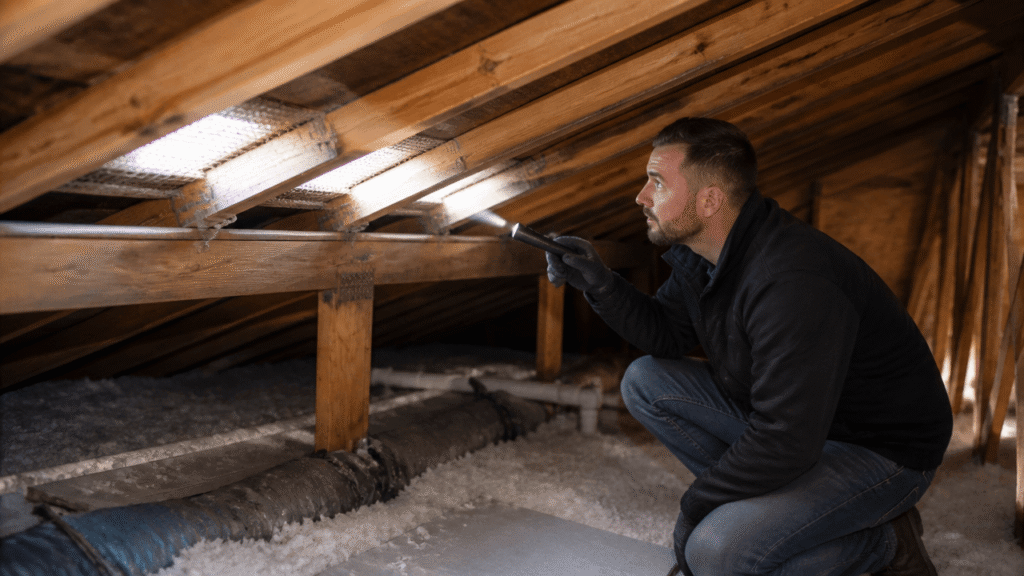
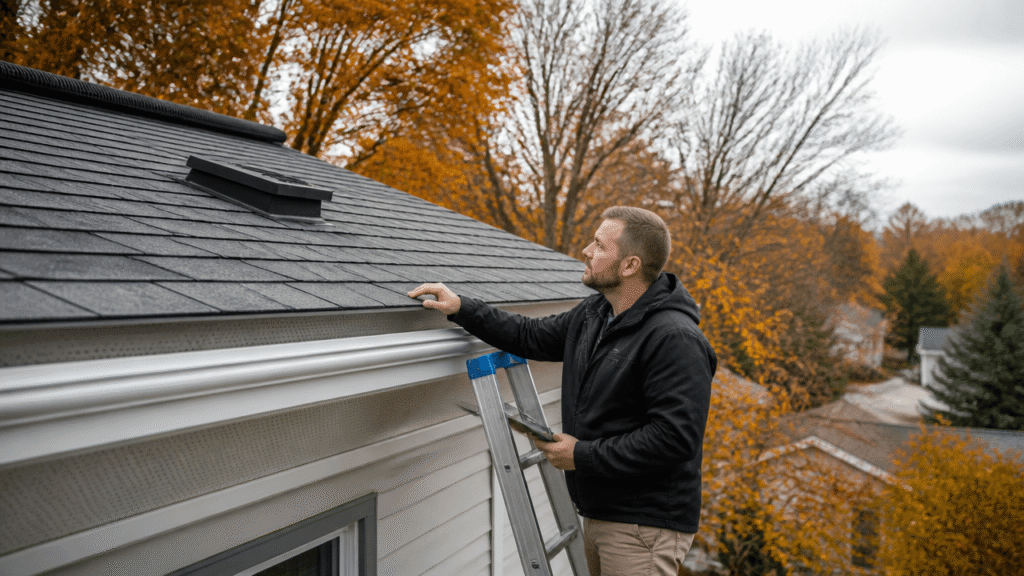
A professional inspection can help confirm whether damage is minor or more serious. Spring is an ideal time to catch hidden problems before summer heat and storms add more stress.
Frequently Asked Questions
What are the most common signs your siding needs spring replacement?
The most common signs your siding needs spring replacement are cracks, warping, loose panels, stains, and soft spots. You may also notice fading, gaps, or moisture damage after winter weather.
Can small siding problems get worse in spring?
Yes, small siding problems can get worse in spring. Rain, wind, and changing temperatures can push water into weak spots and make the damage spread.
How do I know if siding damage is cosmetic or serious?
Serious siding damage usually affects how well the home is protected, not just how it looks. If you see moisture marks, soft areas, or repeated panel movement, the issue is likely more than cosmetic.
Is spring a good time to replace siding in Lake St. Louis, MO?
Yes, spring is a good time to replace siding in Lake St. Louis, MO. The weather is often more workable, and it is easier to spot damage after winter has passed.
How often should siding be checked for damage?
Siding should be checked at least once a year, and spring is a smart time to do it. A yearly check helps catch wear early before it turns into larger repairs.
Spring Siding Care Starts Now
Spring is the right time to pay attention to your home’s exterior and take small warning signs seriously. When siding is cracked, loose, or showing moisture damage, acting early can help protect both the look and the strength of your home. For homeowners in Lake St. Louis, staying ahead of seasonal wear is one of the best ways to avoid bigger problems later.
If you have noticed changes after winter, we are here to help you figure out what comes next. The right inspection can give you a clear answer and help you move forward with confidence. You can also follow us on social media for more helpful home care updates.