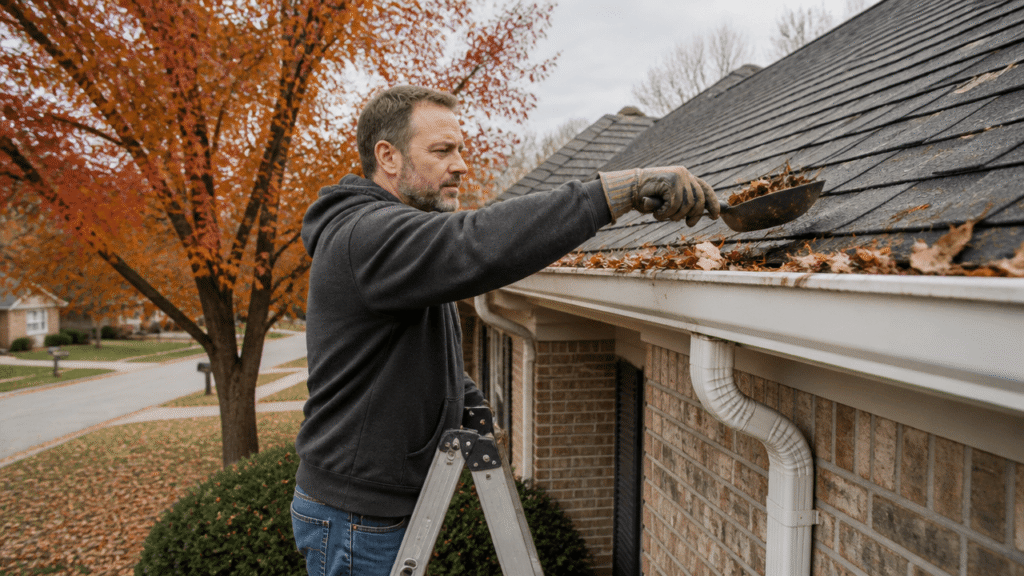
• Winter storms can leave hidden roof damage that gets worse fast, so early inspection and quick action matter.
• Common warning signs include loose shingles, ice dams, flashing damage, attic moisture, and clogged drainage areas.
• Practical repair tips and fast response can help protect your home, limit costly damage, and support safer storm recovery.
Why Winter Roof Damage Needs Fast Action
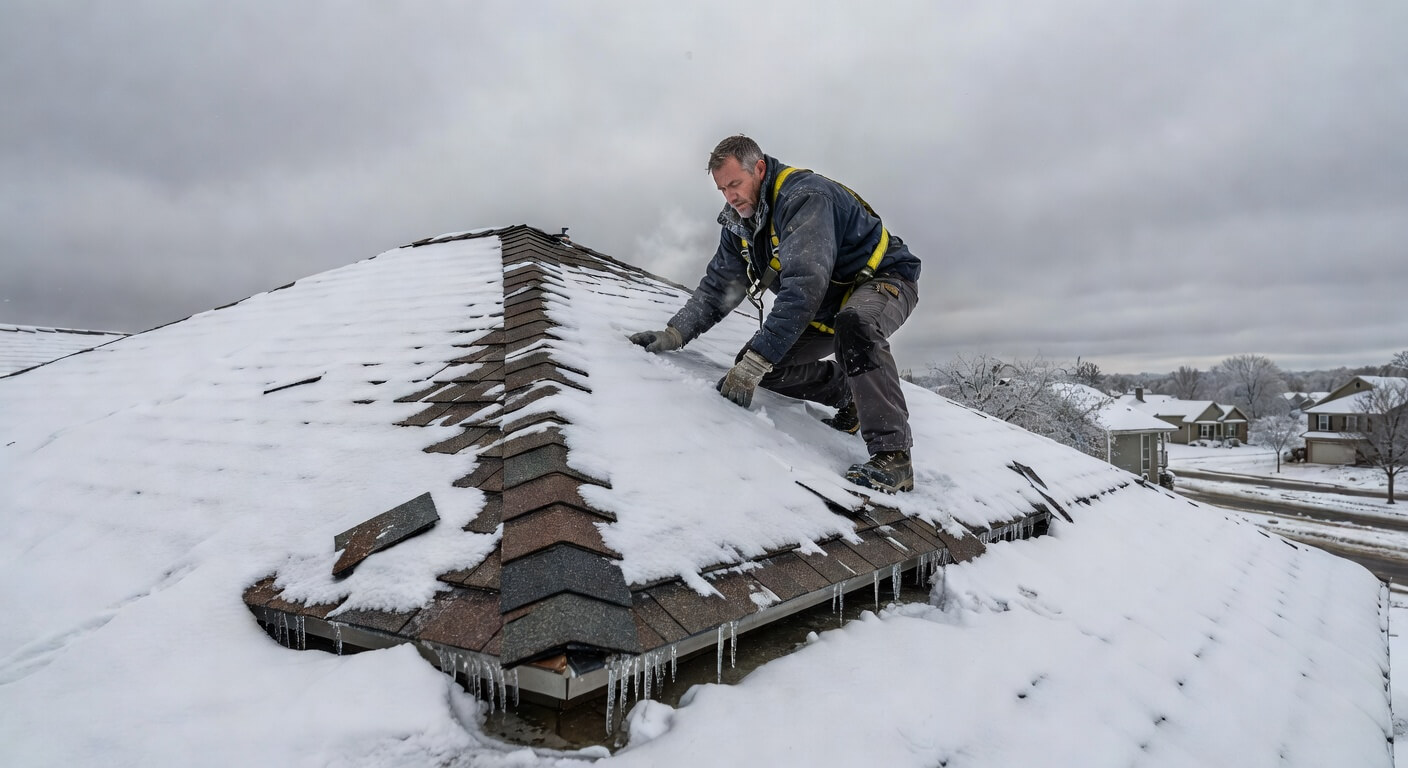
February in Lincoln can leave a roof looking fine from the street while hidden problems keep growing. Heavy snow, wind, ice, and changing temperatures can loosen shingles, stress flashing, and send water into places it should never reach. When that happens, storm damage restoration after winter storms becomes time sensitive, because small issues can turn into costly repairs fast.
The danger is not only what you can see, but also what is forming under the surface. Melted snow can move into cracks, then refreeze and widen them, which puts more strain on the roof with each cold night. If a home has not been checked after rough weather, the damage may already be spreading through the roof deck, attic, or insulation.
That is why we tell property owners to act early instead of waiting for stains, leaks, or missing shingles to appear. A quick response can protect the structure, reduce repair costs, and help keep the home dry through the rest of winter. For more help with your roof, start by visiting our roofing team and taking the first step toward peace of mind.
What Roof Problems Often Show Up After Snow
Winter roof damage often starts with small warning signs that are easy to miss. Shingles may lift, curl, or crack after repeated freezing and thawing, and ice buildup can pull at gutters and roof edges. In some cases, the first clue is a wet spot inside the home rather than anything obvious outside.
We also look for signs around vents, chimneys, valleys, and flashing because those areas are common failure points after a storm. When snow sits on a roof for too long, the added weight can stress weak spots and make existing wear worse. That is why storm damage restoration after winter storms should begin with a close inspection, not guesswork.
If damage is left alone, water can keep entering the home each time temperatures rise and fall. That can lead to stained ceilings, damaged drywall, and mold growth in hidden places. A careful check now can save a homeowner from a much larger repair later, especially when Lincoln weather keeps changing from one day to the next.
Tips from the Pros
🔎 Tip 1: Check the roof right after the storm
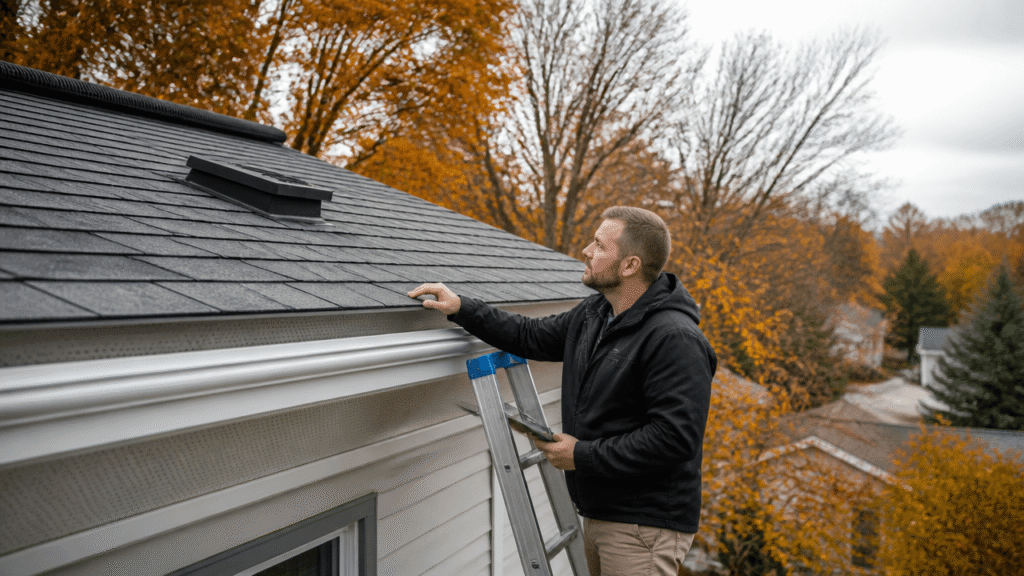
Look for loose shingles, bent flashing, and any debris that may have settled on the roof. Early checks help catch damage before melting snow and new moisture make it worse.
🧊 Tip 2: Watch for ice dams at the roof edge
Ice dams form when snow melts and refreezes near colder roof edges, which can block drainage. That trapped water can move under shingles and cause leaks inside the home.
💧 Tip 3: Look inside the attic for water signs
Dark stains, damp insulation, and a musty smell can point to roof trouble above. These signs often show up before a ceiling leak becomes easy to see.
🛠️ Tip 4: Fix damaged shingles as soon as possible
A missing or broken shingle leaves part of the roof exposed to wind and water. Quick repair helps stop a small problem from spreading across nearby sections.
🌬️ Tip 5: Inspect flashing around roof openings
Flashing around chimneys, vents, and skylights often takes a hit during winter weather. If it bends, loosens, or separates, water can enter fast during the next thaw.
📋 Tip 6: Keep records of storm-related damage
Take clear photos of visible roof problems, yard debris, and any indoor leaks. Good records help show what changed after the storm and support a faster repair process.
🏠 Tip 7: Watch for clogged gutters and heavy buildup
Snow, ice, and debris can keep water from moving away from the roof. When drainage backs up, the risk of leaks and edge damage goes up.
👷 Tip 8: Bring in a trained roofer for a full check
Some damage is hard to spot from the ground, especially after winter weather. A trained eye can find weak spots, explain the next steps, and help guide storm damage restoration after winter storms the right way.
Frequently Asked Questions
What should I do first after winter roof damage?
The first step is to check for visible damage and signs of leaks inside the home. Then contact a roofing professional for an inspection so the problem can be handled before it spreads.
How can I tell if my roof has hidden storm damage?
You can spot hidden roof damage by looking for ceiling stains, damp insulation, or shingles that no longer lie flat. These signs often show up after snow melts or temperatures shift.
Does storm damage restoration after winter storms need to happen right away?
Yes, storm damage restoration after winter storms should happen quickly because small roof issues can get worse with each freeze and thaw cycle. Fast action helps limit water entry and lowers the chance of larger repairs.
Can ice dams really damage a roof?
Yes, ice dams can damage a roof by trapping melted water at the edge of the roof. That water can move under shingles and cause leaks, wood damage, and interior stains.
Should I inspect my roof if I do not see a leak?
Yes, you should still inspect the roof even if there is no visible leak. Winter damage often starts outside or in hidden spaces long before it shows up inside the home.
Stay Ahead of Winter Roof Problems
Winter roof damage can start small, but it rarely stays that way for long. By checking for warning signs, acting quickly, and getting the roof looked at after severe weather, homeowners can protect both the structure and their peace of mind.
We know how important it is to stay ahead of problems during Lincoln winters, especially when snow and ice keep putting pressure on the roof. Storm damage restoration after winter storms is not just about fixing what is broken; it is about stopping the next round of damage before it starts. For updates and company news, follow us on Facebook.