• This checklist helps Houston business owners act fast after severe weather and focus on the most important steps for storm damage restoration for commercial roofs.
• The blog explains how to spot roof trouble, document damage, and get help before small issues turn into bigger repair problems.
• Readers will also get practical advice, answers to common questions, and clear next steps for protecting a commercial building after a storm.
Set the Goal After a Storm Hits
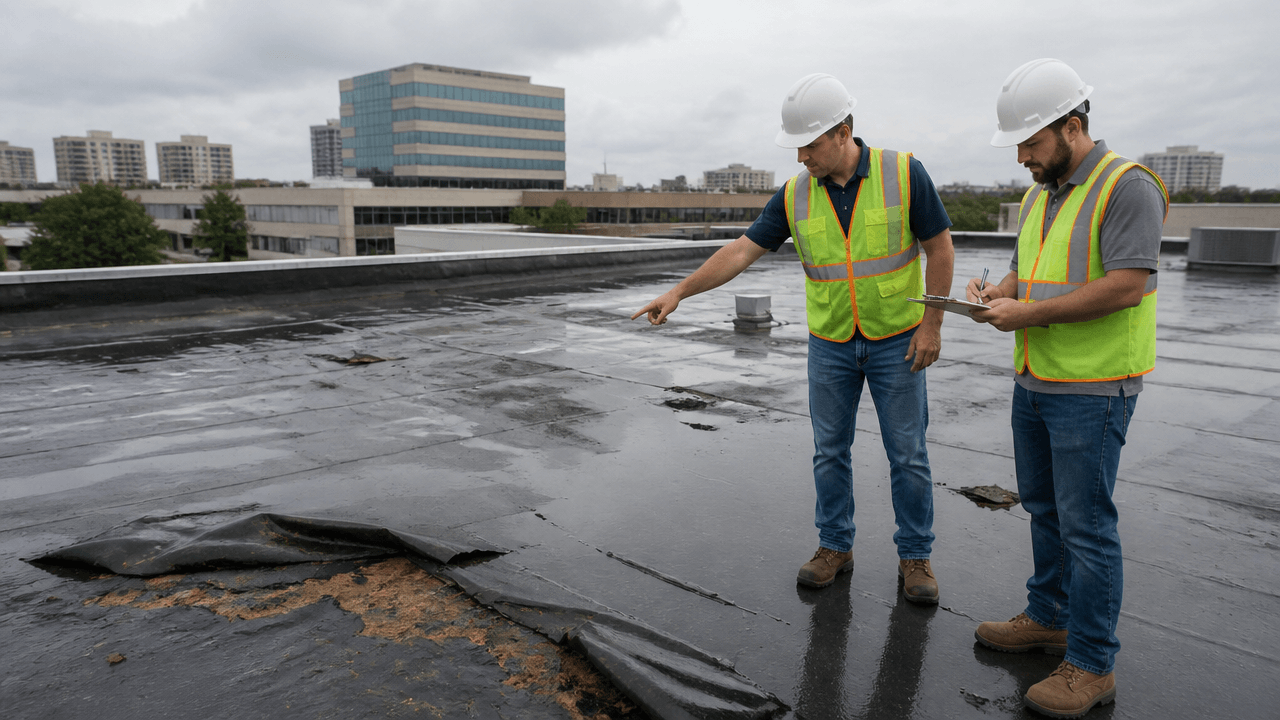
The main goal of storm damage restoration for commercial roofs is to stop further damage and protect the building fast. That means checking the roof, finding weak spots, and making the right repair plan before small issues turn into bigger ones.
For Houston properties in summer, heavy rain, wind, and hail can create hidden trouble that shows up later. A quick response helps keep tenants safe, limits downtime, and gets the roof ready for the next storm season.
Business owners should work with a team that can inspect the damage and act right away. If your building needs help fast, start with commercial roofing support so the problem does not spread.
Commercial Roof Storm Damage Checklist
Use this checklist to move fast after a storm and keep your roof in better shape. It helps you focus on the most important steps for storm damage restoration for commercial roofs in Houston.
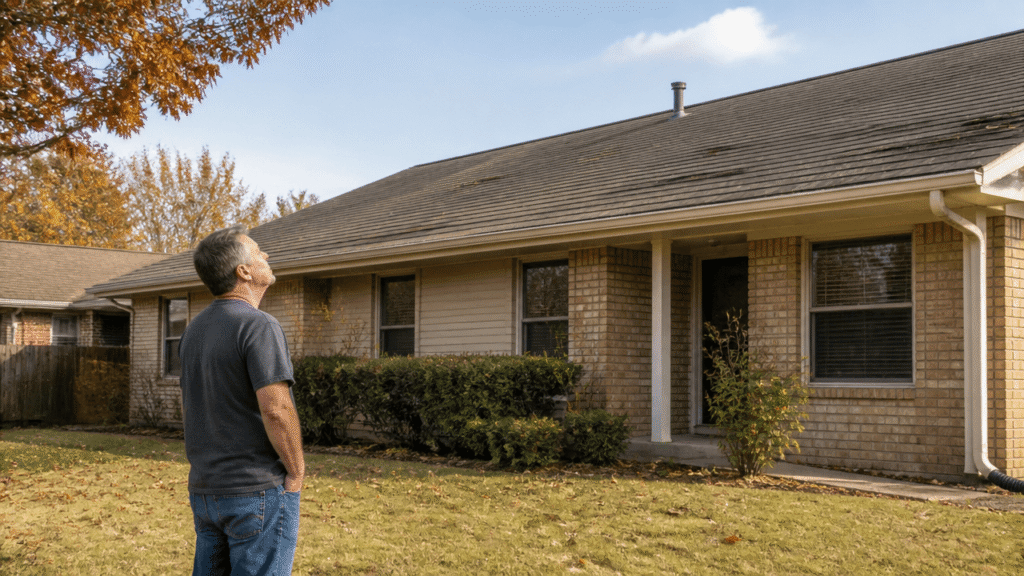
- ✅ Check the roof from the ground for visible damage
- ✅ Look for missing material, dents, or loose edges
- ✅ Inspect drains, gutters, and downspouts for blockage
- ✅ Take clear photos of all damage right away
- ✅ Protect any active leaks with a temporary cover
- ✅ Review the inside of the building for water spots
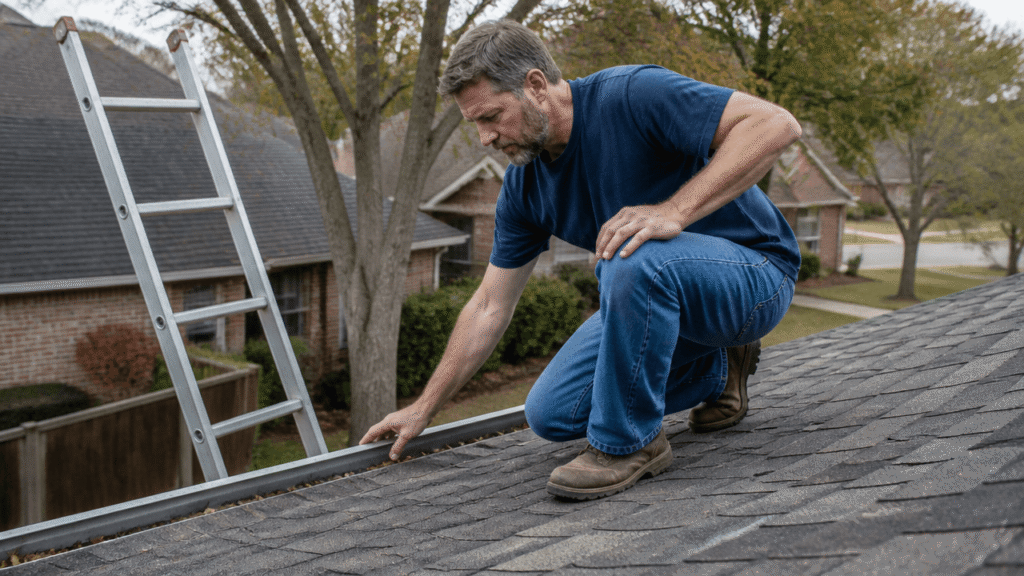
- ✅ Call a trusted roofing team for a full inspection
- ✅ Keep records of damage, repairs, and follow-up work
A fast response can make a big difference after wind, hail, or heavy rain. This checklist gives property owners a simple way to stay organized and act before the damage grows.
For Houston businesses, staying ahead of roof problems helps protect tenants, equipment, and daily operations. The sooner the roof is checked, the sooner repairs can begin and the building can get back to normal.
Additional Advice
After a storm, do not assume the roof is fine just because there is no major leak. Some of the worst damage can stay hidden until the next rain or the next strong wind.
It is smart to act quickly and use a trained crew that knows commercial roof systems. A local team can spot problems faster and help you avoid costly delays, especially when storm damage restoration for commercial roofs must happen fast.
One common mistake is waiting too long to document the damage. Photos, notes, and repair records can help support the next steps and keep the process moving in the right direction.
If your building has drainage trouble, pool areas, or loose flashing, do not ignore them. For more help with roof care and repair planning, visit Shamrock Roofing for trusted local support.
Frequently Asked Questions
What should I do first after storm damage to a commercial roof?
Start by checking for visible damage and any active leaks. Then document the problem with photos and call a roofing professional for an inspection.
How do I know if my commercial roof has hidden storm damage?
Yes, hidden damage is common after storms. Signs can include ceiling stains, pooling water, loose materials, or small leaks that show up later.
Can storm damage restoration for commercial roofs be delayed?
No, it should not be delayed if damage is visible or water is entering the building. Fast action helps limit interior damage and keeps repair costs from growing.
Who should inspect a commercial roof after a storm?
A licensed roofing contractor should inspect it. A trained eye can find problems that property owners may miss from the ground.
Why is commercial roof storm damage common in Houston?
Houston gets strong storms, heavy rain, and hail that can wear down roof systems fast. That weather makes routine checks and quick repairs especially important for local businesses.
Final Thoughts on Protecting Your Roof
Storm damage can put a commercial building at risk fast, especially when repairs are delayed. A clear plan helps you respond with confidence and keeps small issues from turning into bigger ones.
By using a simple checklist, getting expert help, and staying alert after bad weather, you can protect your roof and your business. Stay connected with local updates and team news by following Shamrock Roofing on Facebook.