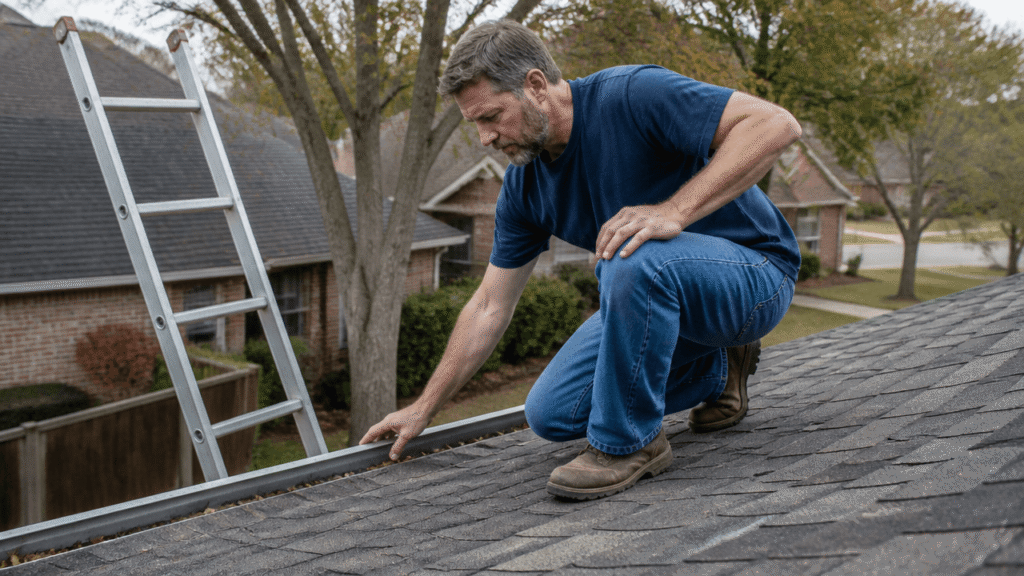
• Storm damage restoration for residential roofs starts with a fast check for missing shingles, leaks, dents, and flashing problems before small issues turn worse.
• A simple checklist helps homeowners stay organized after hail or wind damage and take the right next steps with confidence.
• Expert roof inspections, quick repairs, and good records can protect your home and make recovery after a storm much easier.
Storm Damage Restoration For Residential Roofs Checklist
The first goal of storm damage restoration for residential roofs is to catch problems early before small issues turn into bigger repairs. A careful check after heavy wind, hail, or rain helps protect the roof structure and keeps water from getting inside the home.
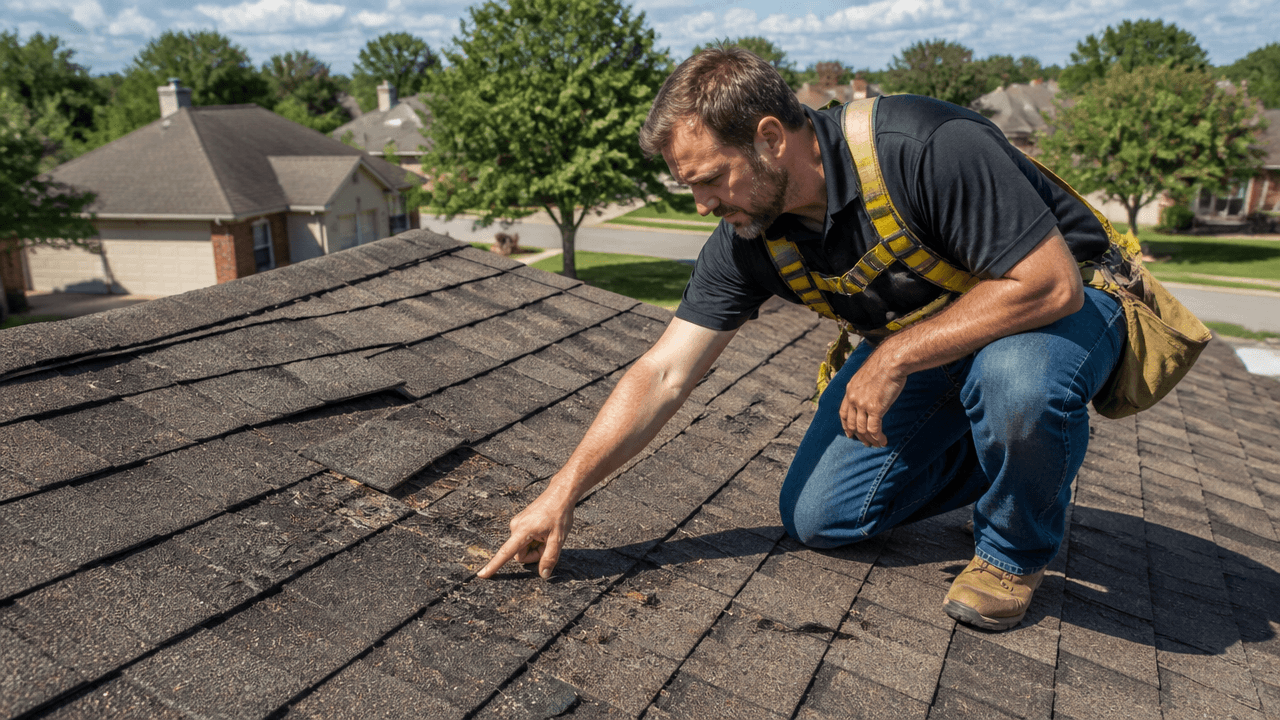
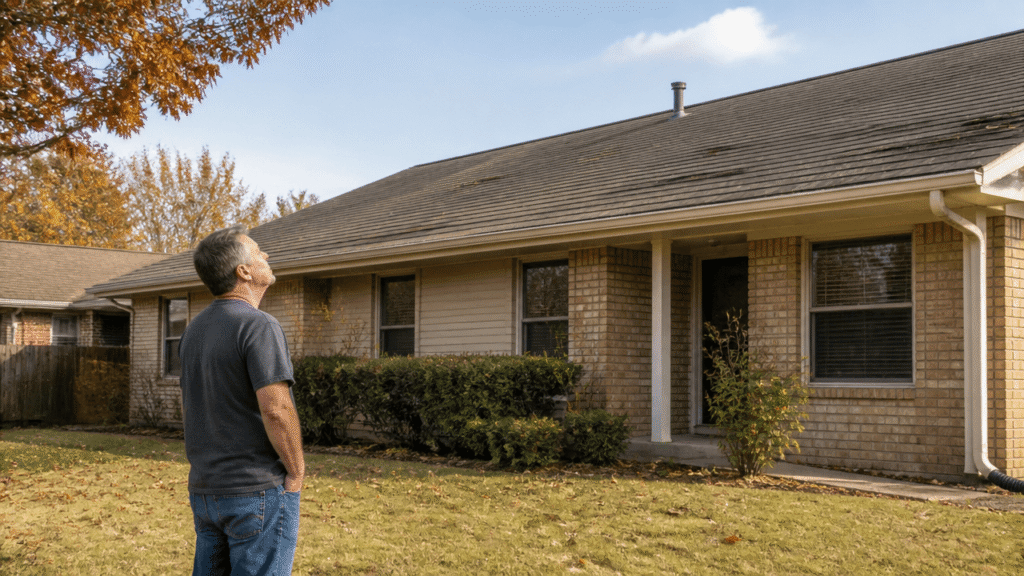
Look for missing shingles, dents, loose flashing, and signs of leaks in the attic or ceiling. If damage is hard to see from the ground, a trained roofer can inspect the roof safely and explain what needs attention.
The next step is to make a clear plan for repairs and protect the home from more damage. You can learn more about repair options through our roof replacement services if the roof has reached a point where patching is no longer enough.
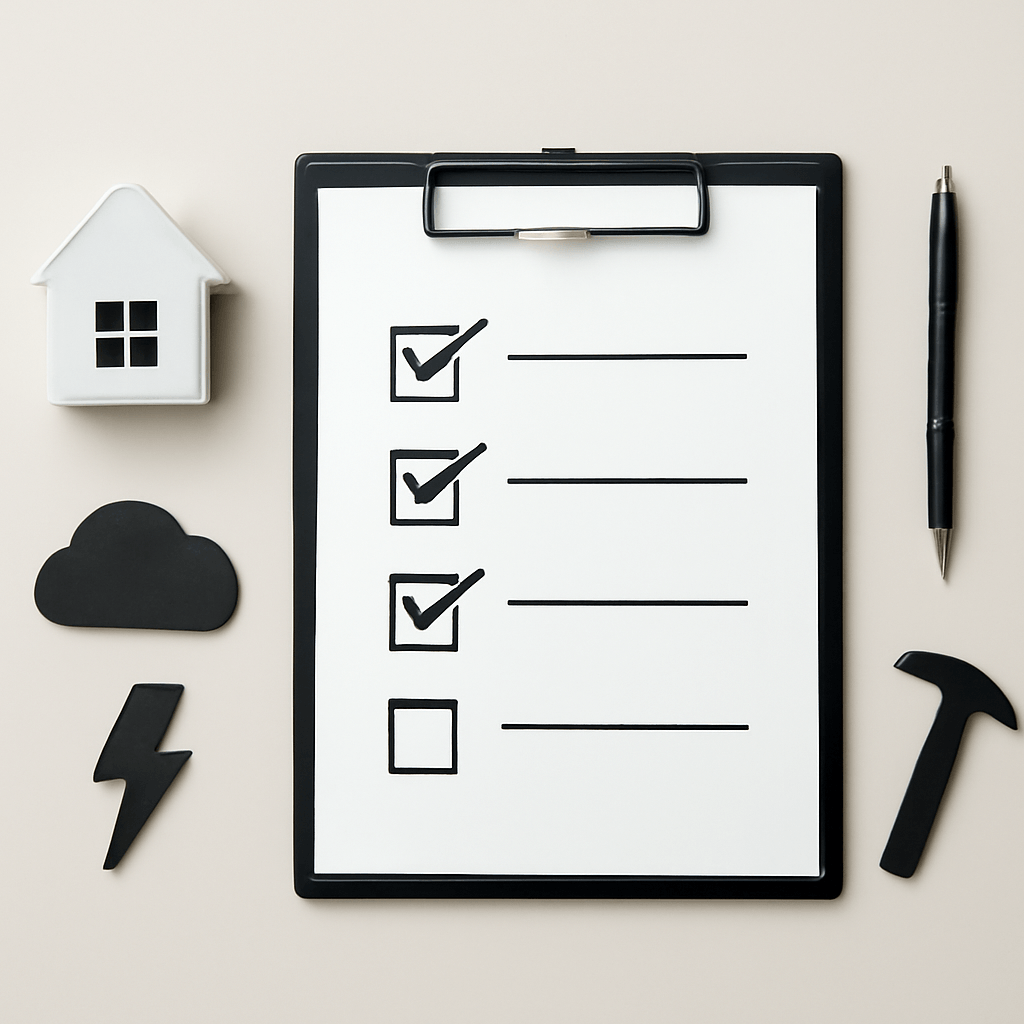
Storm Damage Restoration Checklist for Homeowners
Use this checklist to stay organized after a storm and take the right steps fast. A clear plan helps protect your roof, reduce stress, and keep small damage from getting worse.
- ✅ Check for missing, cracked, or lifted shingles
- ✅ Look for dents, bruises, or soft spots on the roof surface
- ✅ Inspect flashing around chimneys, vents, and skylights
- ✅ Look inside for water stains on ceilings or walls
- ✅ Check the attic for damp insulation or signs of leaks
- ✅ Clear away branches, debris, and loose material from the roof area
- ✅ Take photos of all visible storm damage for your records
- ✅ Schedule a professional roof inspection as soon as possible
Following each step in order makes storm damage restoration for residential roofs easier to manage and helps you respond with confidence. It also gives you a clearer picture of what needs repair before the damage spreads.
Even minor roof issues can lead to bigger problems if they are ignored after strong summer storms in Sherman, TX. A fast response can help protect your home and support a smoother repair process.
Additional Advice
After a storm, do not assume the roof is fine just because there are no obvious leaks inside. Many forms of roof damage start small and stay hidden until the next rain, which is why a close look matters.
When checking for storm damage restoration for residential roofs, focus on safety first and avoid walking on the roof if it is wet or unstable. A trained roofing team can spot trouble areas more safely and help you understand whether repair or roof replacement is the better move.
One common mistake is waiting too long to act after hail or strong wind. Delays can turn a small roof repair into a bigger and more costly problem, especially if moisture gets into the decking or insulation.
If your home has repeated storm exposure, keep records of each inspection, repair, and weather event. That simple habit can make future service easier and give you a clearer view of how your roof is holding up over time.
Frequently Asked Questions
What should I look for after storm damage to my roof?
Look for missing shingles, dents, lifted edges, and signs of water inside the home. These are common warning signs that your roof may need attention after a storm.
How soon should I get a roof inspection after a storm?
You should get a roof inspection as soon as possible after the storm passes. Quick action helps catch hidden problems before they lead to leaks or wider damage.
Can small hail cause damage to a residential roof?
Yes, small hail can damage a residential roof, especially if the storm is strong or lasts a long time. Even light hail can leave marks that weaken shingles over time.
Is storm damage restoration for residential roofs something I can delay?
No, delaying storm damage restoration for residential roofs is risky. Even minor damage can get worse with the next rain, wind, or heat cycle.
Should I call a roofing professional after wind or hail damage?
Yes, you should call a roofing professional after wind or hail damage. A trained roofer can find problems that are easy to miss and recommend the right fix for your home.
Final Thoughts on Roof Storm Damage
Storm damage can be easy to overlook, but fast action helps protect your home and avoid bigger repair costs later. A simple checklist, a careful inspection, and the right follow-up can make storm recovery much easier.
If you think your roof may have been hit by wind or hail, do not wait for a leak to prove it. For more updates and local roofing help, follow Shamrock Roofing on Facebook.