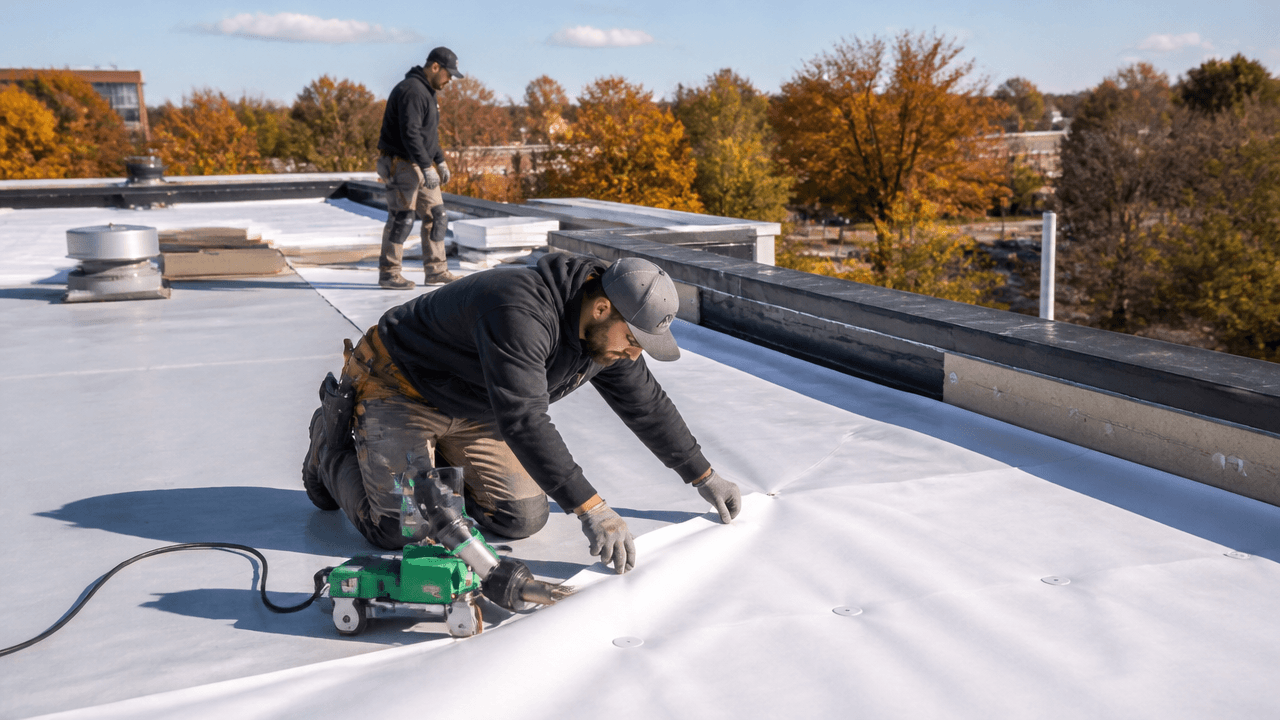
• TPO roofing installation takes careful planning, clean prep work, and strong seam details to help protect commercial buildings in Overland Park.
• Fall weather makes timing important, since dry conditions and early fixes can help prevent leaks, weak spots, and costly roof problems.
• Our tips break down the key steps, common trouble areas, and smart ways to get better results from a TPO roof project.
Why TPO Roofing Matters in Fall
Fall in Overland Park can put a lot of pressure on a commercial roof, especially when cool mornings and warmer afternoons keep materials moving. That is why the TPO roofing installation process explained matters for property owners who want steady protection before harsher weather settles in.
A roof that is not installed the right way can leave seams open, create weak spots, and raise the chance of leaks when rain or wind picks up. If a building needs reliable coverage now, waiting too long can turn a small issue into a much bigger one, which is why many owners start by checking our commercial roofing services.
TPO is a popular choice for many flat and low-slope roofs because it is built to handle heat, moisture, and daily wear. When the work is done with care, the system can help a building stay protected through the season and beyond.
How We Approach TPO Roof Installation
We start by looking at the roof deck, drainage, and surface condition before any material is installed. That first step matters because even a strong membrane needs a clean, stable base to perform the way it should.
From there, we focus on insulation, membrane placement, and seam work so the finished roof fits the structure properly. A careful install helps reduce stress points, and that is one reason TPO roofing installation process explained is such an important topic for commercial owners in Overland Park.
We also pay close attention to edges, penetrations, and flashing since those are common problem areas on flat roofs. A roof can look fine from the ground and still fail early if these details are rushed.
When the install is handled the right way, the roof is better prepared for changing fall weather and the freeze-thaw swings that can follow. That gives building owners more confidence heading into the colder months.
Tips from the Pros
🔍 Tip 1: Start With a Roof Inspection
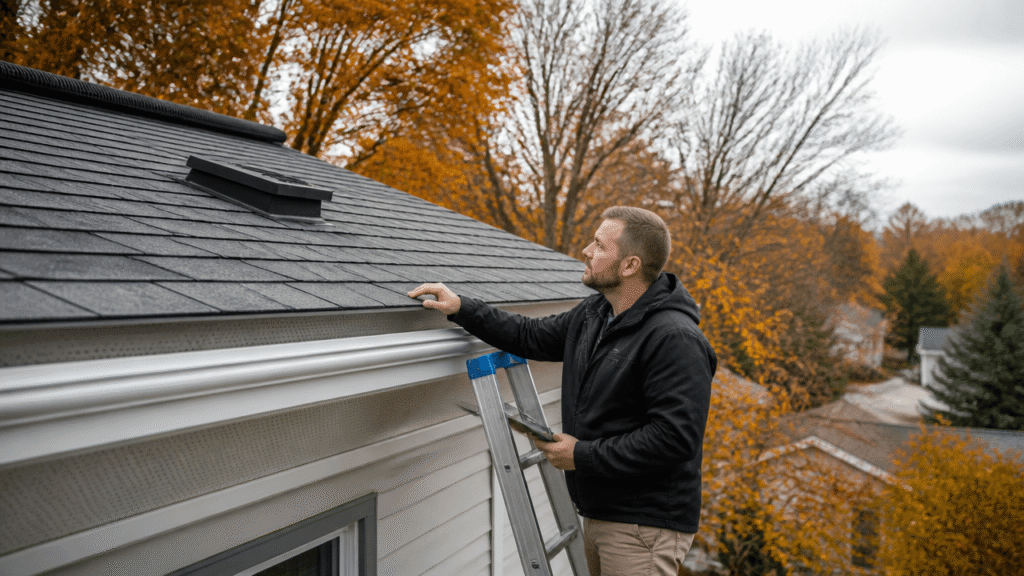
We always check the roof deck and surface before installing TPO. Hidden damage, soft spots, or trapped moisture can affect how well the new system holds up.
📋 Tip 2: Make Sure the Surface Is Clean
A clean roof surface helps the membrane bond and lay flat. Dirt, dust, and old debris can get in the way of a strong finish.
🧱 Tip 3: Pick the Right Insulation
The right insulation supports energy performance and helps the roof system work as one unit. It also plays a big part in how the finished roof handles temperature changes.
🔥 Tip 4: Watch the Seam Work
Seams are one of the most important parts of a TPO system because they help keep water out. Strong, even seam work is key to a roof that lasts.
🌧️ Tip 5: Plan Around the Weather
Fall weather in Overland Park can shift fast, so timing matters. Dry conditions help crews complete a TPO installation with fewer delays and cleaner results.
🛠️ Tip 6: Pay Attention to Flashing
Flashing protects the areas around vents, edges, and rooftop equipment. These spots need careful work because they often take the most stress over time.
📐 Tip 7: Check for Proper Drainage
Flat and low-slope roofs need water to move off the surface the right way. If drainage is weak, standing water can shorten the life of the roof system.
⏱️ Tip 8: Do Not Put Off Repairs
Small roofing issues can grow faster than many owners expect. Fixing problems early makes the TPO roofing installation process explained easier to manage and helps protect the building longer.
Frequently Asked Questions
What is the TPO roofing installation process?
It is the step-by-step method used to install a TPO membrane on a commercial roof. The process usually includes surface prep, insulation, membrane placement, seam welding, and finishing details around edges and penetrations.
Why is TPO a good choice for commercial roofs?
Yes, TPO is a smart option for many commercial roofs because it is made for flat and low-slope surfaces. It is also known for handling heat, moisture, and regular rooftop exposure well when installed correctly.
How long does a TPO roof installation usually take?
It depends on the roof size, condition, and weather, but most projects take several days to complete. A larger roof or one that needs prep work may take longer.
Can TPO roofing help with energy use?
Yes, TPO roofing can help reflect sunlight and reduce heat gain on many buildings. That can be useful during warmer parts of the year in Overland Park.
What should I know before starting TPO roofing installation?
Yes, it helps to know that the roof deck, drainage, and seam details all matter a lot. The TPO roofing installation process explained works best when the roof is prepared carefully from the start.
Final Thoughts for Overland Park Owners
Getting a commercial roof ready for fall takes planning, skill, and close attention to detail. When each part of the job is handled the right way, the roof has a much better chance of standing up to changing weather and daily wear.
If you are comparing roofing options in Overland Park, now is a smart time to think about long-term protection and the condition of your building. For updates and company news, you can follow us on Facebook.