• TPO is often a smart choice for commercial flat roofs in hot weather because its lighter surface can reflect more sunlight and help reduce heat buildup.
• EPDM is known for flexibility and long-term use, but the better option depends on drainage, roof age, repair history, and how the building is used.
• In Kansas City summer conditions, a roof inspection now can help property owners spot seam wear, ponding water, and other issues before repair costs rise.
Why This Roof Choice Matters in Summer
Kansas City summers can be hard on a commercial roof, and small issues can turn into bigger problems fast. When building owners compare TPO vs EPDM for commercial flat roofs, they are really deciding how well their roof will handle heat, sun, and daily wear. A smart choice now can help reduce stress later when storms, hot days, and standing water start testing the roof surface.
Picking the right membrane is not just about material, it is also about how the roof performs in real weather. Our team at commercial roofing services often helps property owners look at insulation, drainage, and long-term upkeep before making a decision. That extra planning matters because a roof that fits the building well is usually easier to maintain and less likely to fail early.
If you wait until leaks show up, repair costs can climb and business disruption can follow. Summer is a good time to review roof condition because heat can expose weak spots in seams, flashing, and older membrane surfaces. The sooner we assess the system, the better chance we have to keep the building protected during the rest of the season.
How to Compare the Two Materials
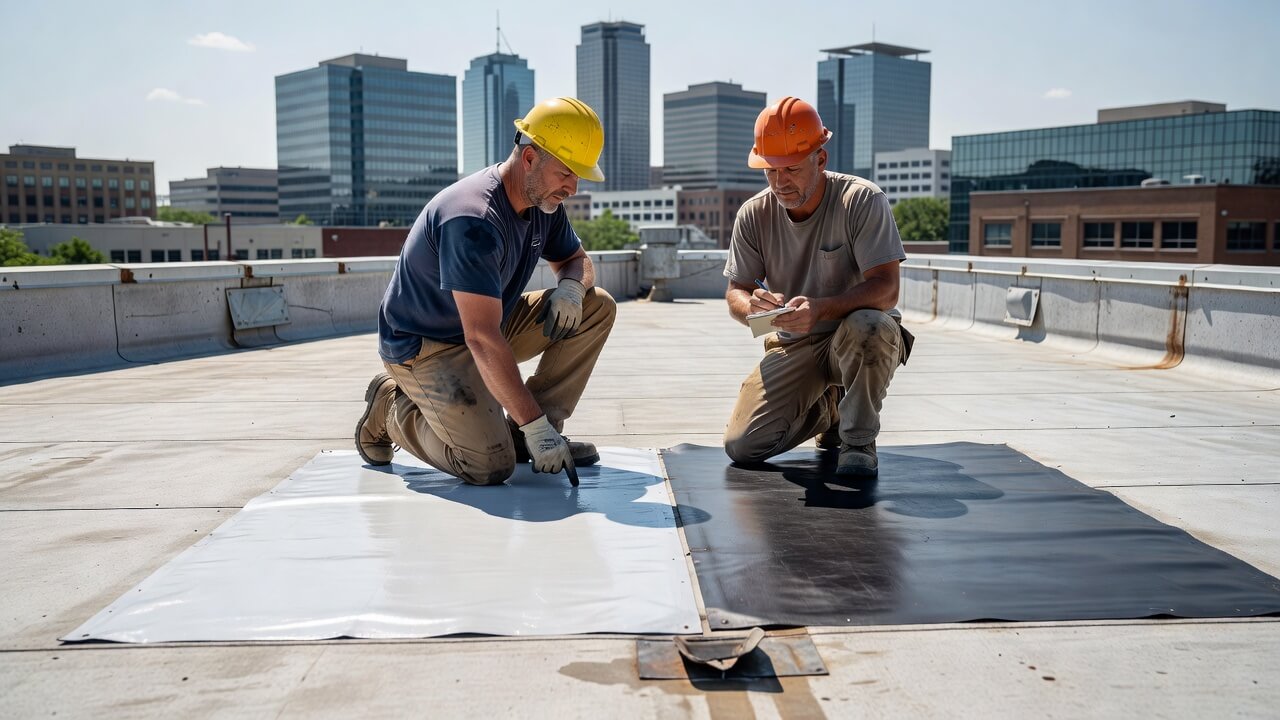
TPO is often chosen for its reflective surface, which can help reduce heat absorption on sunny days. EPDM is known for flexibility and has a long track record on flat and low-slope roofs. When we compare TPO vs EPDM for commercial flat roofs, we look at roof age, energy goals, and how much foot traffic the surface will see.
Roof slope and drainage also play a big part in the choice. EPDM can perform well in many settings, but ponding water, seam condition, and exposure level should all be reviewed before a final call is made. We also look at repair history, since a roof that has already needed repeated patching may be telling us it is time for a bigger change.
Tips from the Pros
🌞 Tip 1: Check how much sun the roof gets
TPO is often a better fit when a roof gets strong sun for much of the day. Its lighter surface can reflect more heat than darker membranes, which may help in hot weather.
💧 Tip 2: Look at drainage before choosing
Flat roofs need good drainage, especially in summer storms. If water tends to sit on the surface, we need to look closely at how each membrane handles long-term exposure.
🔍 Tip 3: Inspect seams for early wear
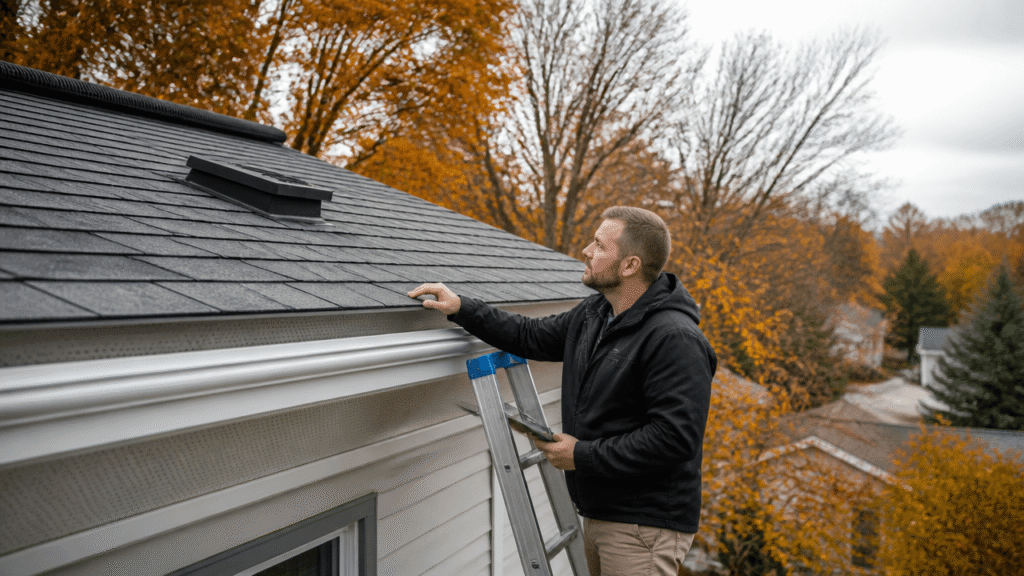
Seams are one of the first places where problems can show up on both materials. A careful inspection can reveal lifting, cracking, or weak spots before leaks start.
🛠️ Tip 4: Review repair history before replacing
If the roof has needed many repairs, the current material may be reaching its limit. That history helps us decide whether patching still makes sense or a full replacement is the better move.
📋 Tip 5: Match the roof to the building’s use
A warehouse, office, and retail building can all have different roof needs. Foot traffic, equipment access, and roof load should all factor into the choice between TPO and EPDM.
🌡️ Tip 6: Think about summer heat impact
Hot weather can make roof surface performance more important. TPO may work well for owners who want more heat reflection, while EPDM may fit other building goals better.
🔧 Tip 7: Ask about maintenance needs
Every flat roof needs ongoing care to stay in good shape. Knowing how each membrane handles cleaning, patching, and routine checks helps avoid surprises later.
📅 Tip 8: Plan the work before peak storm season
Summer is a smart time to make roof decisions before heavy rain and wind become more common. Planning early gives us more time to inspect, compare, and complete work with less pressure.
Frequently Asked Questions
What is the main difference between TPO and EPDM?
The main difference is that TPO is typically a lighter, more reflective membrane, while EPDM is usually a darker rubber-based material with strong flexibility. Both can work well on commercial flat roofs, but the better choice depends on the building and its weather exposure.
Is TPO or EPDM better for hot weather?
Yes, TPO is often a strong choice for hot weather because its lighter surface can reflect more sunlight. That said, the best option still depends on roof design, insulation, and how the building is used.
How long do TPO and EPDM roofs usually last?
Both materials can last many years when installed and maintained properly. The actual lifespan depends on roof quality, climate, drainage, and how often the roof is inspected and repaired.
Which roof is easier to maintain, TPO or EPDM?
Both can be maintained well with regular care, but the easier option depends on the roof’s condition and layout. EPDM is often valued for its flexibility, while TPO is often chosen for its heat-reflective surface and seam performance.
How do I know if my commercial flat roof needs replacement?
Yes, repeated leaks, seam failure, ponding water, and rising repair costs are strong signs that replacement may be needed. A professional roof inspection can show whether TPO vs EPDM for commercial flat roofs is the better path for your property.
Wrapping Up the Roof Decision
Choosing between TPO and EPDM should be based on real roof conditions, not guesswork. Summer heat in Kansas City can reveal problems fast, so this is a good time to review the roof before small issues turn costly. We help property owners make clear, practical decisions that fit the building and the season.
If your commercial roof is showing wear, now is the right time to take a closer look at its condition and long-term needs. The right membrane choice can protect your property, support your budget, and reduce stress during storm season. To stay connected with our team and see what we are working on, follow us on Facebook.