Repair vs. Replace: What's Right for Your Roof?
The Most Important Decision After Your Roof Inspection
AFTER THE STORM
Three Types Of Storm Damage
| FACTOR | REPAIR | Replace |
|---|---|---|
|
Best When |
Damage is isolated to a small area |
Damage is widespread or roof is aging |
|
Roof Age |
Under 15 years with life remaining |
15+ years or near end of warranty |
|
Damage Scope |
A few shingles, minor leaks, or flashing |
Multiple areas, decking, or underlayment |
|
Timeline |
Same-day to a few days |
1-3 days for full replacement |
|
Long-Term Value |
Extends life; buys time |
Resets the clock; max ROI |
|
Insurance |
Covers specific storm damage repairs |
Covers full replacement if warranted |
|
Warranty |
Repair-specific; limited coverage |
Full manufacturer + workmanship warranty |
Roof care tips
5 Signs Your Roof Needs A Repair — Not A Replacement
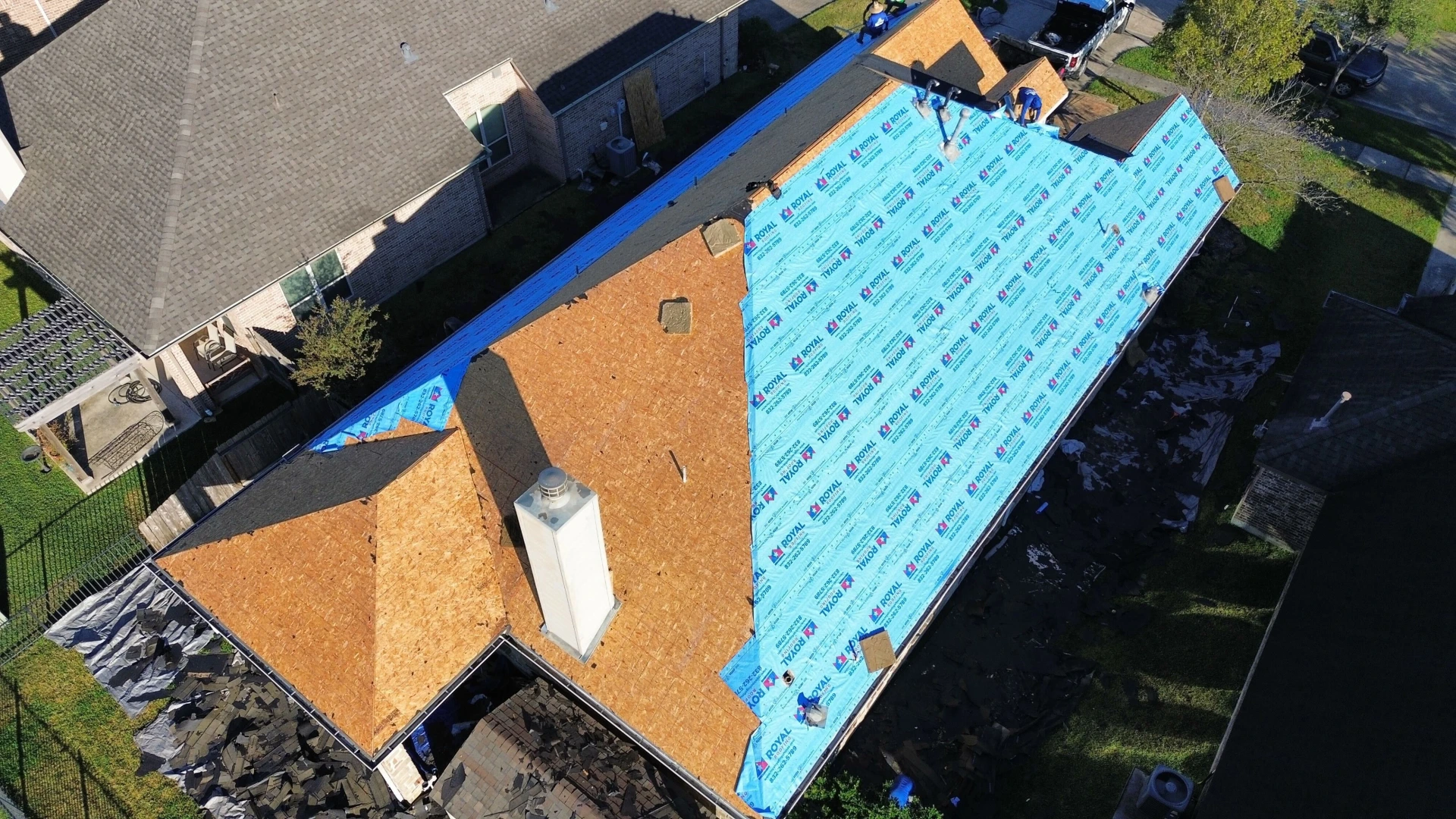
Full replacement indicators
5 Signs It'S Time For A Full Roof Replacement
Your roof is 15-20+ years old and showing widespread wear across multiple areas simultaneously
You're finding granules in your gutters consistently — the clearest sign shingles have reached end of life
Multiple leaks, sagging, or visible daylight through the attic indicate systemic failure beyond repair
The underlayment or decking is compromised — patching shingles on top of rotting structure doesn't work
Recurring repair bills are adding up — at some point, replacing is more cost-effective than continuing to patch
Contact Us
How To Make The Right Decision
Start with a professional inspection — never decide to repair or replace without an on-roof expert assessment first
Ask for a detailed photo report showing exactly what was found — and what condition the rest of the roof is in
Get a written estimate for both options so you can compare short-term and long-term value side by side
If storm damage is involved, let your contractor document and meet with your adjuster before making a decision
Choose a contractor who will tell you the truth — if you don't need work, a reputable company will say so