
Updated June 09, 2026
A roof replacement is a major expense, and if storm or hail damage caused it, your homeowners insurance may cover most of the cost. But getting a claim approved isn’t always simple. Insurers look closely at the cause, the age of your roof, and how well you’ve maintained it before they pay out.
This guide walks through how roof insurance claims work, how to give yours the best chance of approval, and what to do if it gets denied. Shamrock has helped homeowners across the storm-prone Midwest document damage and work through the claims process since 1977, so this is the same guidance we give our own customers.
Quick answer: Insurance typically pays for a roof replacement when sudden, accidental damage (like hail or wind from a storm) is the cause. To get approved, you’ll need to document the damage, understand your policy, file promptly, and back your claim with a professional inspection report. Damage from age, wear, or neglect usually isn’t covered.
Does homeowners insurance cover roof replacement?
In most cases, homeowners insurance covers roof replacement when the damage is sudden and accidental, such as from a storm, hail, or high winds. It generally does not cover damage from age, normal wear and tear, or lack of maintenance, those are considered the homeowner’s responsibility.
Two policy terms decide how much you get paid:
- Replacement Cost Value (RCV): pays what it costs to replace the roof at today’s prices. Better coverage.
- Actual Cash Value (ACV): pays the depreciated value, factoring in your roof’s age and wear. This means a smaller payout, especially on an older roof.
Knowing which one your policy uses tells you a lot about what to expect before you ever file.
How to get insurance to pay for your roof replacement: step by step
1. Read and understand your policy
Before anything else, read your policy’s fine print. Look for whether it pays Replacement Cost Value or Actual Cash Value, your deductible, any roof age limits or separate wind/hail deductibles, and your filing deadline. Knowing what’s covered keeps you from being blindsided later.
2. Document the damage thoroughly
Strong documentation is what gets claims approved. As soon as it’s safe:
- Take clear, dated photos and video of all visible damage, from the ground and (only if safe) up close
- Photograph related damage too, dented gutters, siding, screens, and any interior leaks or water stains
- Note the date of the storm that caused it
- Keep any receipts for emergency repairs (like tarping) to prevent further damage
3. Get a professional roof inspection
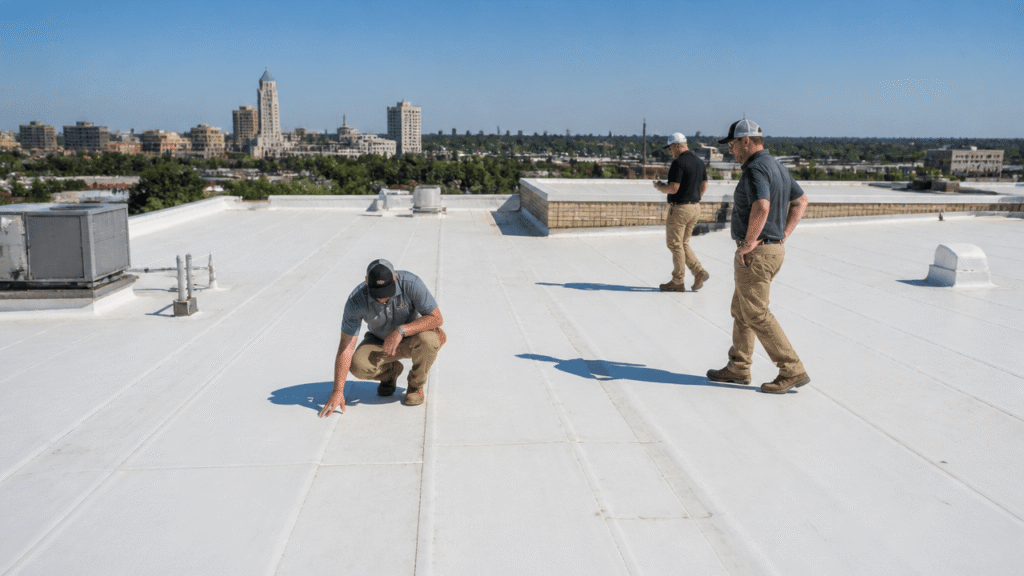
Have an experienced roofing contractor inspect the roof and put together a written damage report. A professional knows what insurers look for and the common reasons they deny claims, improper installation, pre-existing wear, poor ventilation, or roof age. Their documentation gives your claim credible, third-party backing. Shamrock provides free roof inspections and a detailed report you can submit with your claim.
4. File your claim promptly
Contact your insurer and file as soon as you reasonably can after the damage. Many policies have a filing window tied to the storm date, and waiting can complicate or void a claim. Submit your photos, the inspection report, and any repair receipts.
5. Meet the insurance adjuster prepared
Your insurer will send an adjuster to inspect the roof. It helps to have your roofing contractor present so nothing gets missed, a good contractor and the adjuster can walk the roof together and compare findings. Bring your documentation and inspection report to the meeting.
6. Review the settlement carefully
When the offer comes, compare it against your contractor’s estimate. If the payout seems low or leaves out clear damage, you have the right to ask questions and request a re-inspection. Don’t feel pressured to accept an offer that doesn’t cover the documented damage.
What to do if your roof claim is denied

A denial isn’t always the end. If your claim is denied or underpaid:
- Ask for the denial in writing and the specific reason
- Review it against your policy to see if the reason actually holds up
- Get a second professional inspection if you believe real storm damage was missed
- Request an appeal or re-inspection with your insurer, backed by your documentation
- Consider a licensed public adjuster for complex or high-value disputes, they represent you (not the insurer), though they take a percentage of the settlement
Honest, well-documented claims for legitimate storm damage are the ones that hold up, both on first filing and on appeal.
How to protect your claim before damage ever happens
The best time to set up a successful claim is before the storm:
- Keep up with maintenance. Many policies now require proof of regular maintenance to pay out. Routine roof maintenance and inspections protect both your roof and your coverage.
- Keep records. Save inspection reports, receipts, and dated photos of your roof in good condition, they establish a baseline.
- Address small issues early. A minor problem you ignore can become the “lack of maintenance” reason an insurer uses to deny a later claim.
A word on storm chasers
After a big storm, out-of-town “storm chasers” often go door to door pressuring homeowners into fast claims and quick signatures. Be cautious. Work with an established, licensed local contractor who’ll still be around if there’s a warranty issue years from now. Shamrock has been a family-owned Midwest roofer since 1977, not a fly-by-night crew.
How Shamrock helps with your roof insurance claim
Filing a roof claim is a headache, and we make it easier. Shamrock will inspect your roof for free, document the damage the way insurers need to see it, provide a detailed report and estimate, and meet your adjuster on-site so nothing gets overlooked. If it’s storm damage, we’ll guide you through the process and handle the roof repair or replacement once it’s approved.
Book your free inspection or call (913) 850-6556. We’ll give you an honest assessment and help you take the right next step, no pressure.
Frequently asked questions
Does homeowners insurance cover a roof replacement?
Usually yes, when the damage is sudden and accidental, such as from hail, wind, or a storm. Damage from age, wear, or lack of maintenance typically isn’t covered.
How do I get insurance to pay for my roof?
Document the damage with dated photos, understand your policy, file promptly after the storm, and submit a professional roof inspection report to support your claim.
Why was my roof insurance claim denied?
Common reasons include roof age, pre-existing wear, improper past installation, poor maintenance, or the insurer concluding the damage wasn’t storm-related. You can appeal with a second professional inspection.
What’s the difference between RCV and ACV?
Replacement Cost Value pays to replace your roof at today’s prices. Actual Cash Value pays the depreciated value based on the roof’s age and condition, a smaller payout.
How long do I have to file a roof insurance claim?
It varies by insurer and state, but most policies have a filing window after the date of damage. File as soon as you reasonably can, since delays can complicate a claim.
Should I hire a public adjuster?
For complex or disputed claims, a licensed public adjuster can help, they represent you rather than the insurer. They charge a percentage of the settlement, so weigh that against the potential benefit.