• Act early to avoid seasonal water problems. Getting your gutters ready before fall helps stop overflow, leaks, and other issues before rain and debris become a problem.
• Follow a simple installation process. Careful measuring, cleaning, slope checks, and flow testing all help make sure the system works the way it should.
• Watch out for common DIY mistakes. Skipping inspections, using bad measurements, or ignoring drainage tests can lead to costly problems later.
Why Acting Before Fall Matters
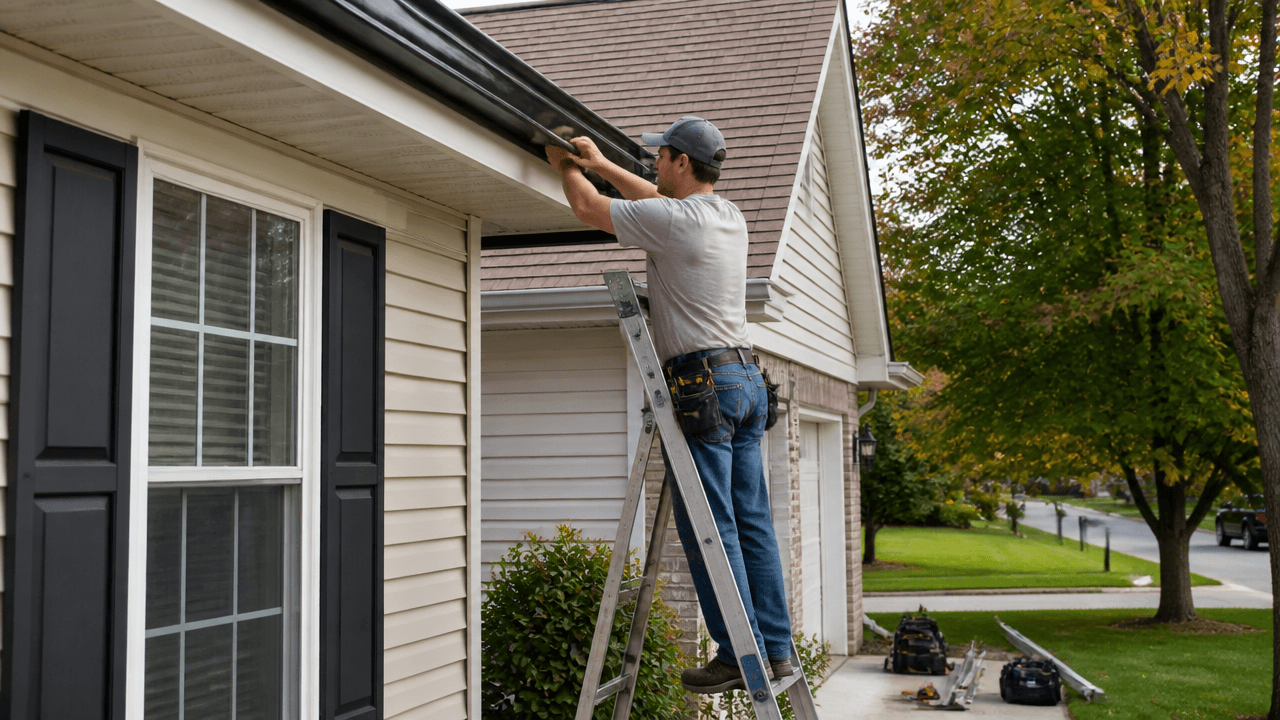
When summer is still in full swing in Lake St. Louis, many homeowners wait too long to think about their gutters. That delay can turn into clog problems, water overflow, and damage that shows up fast once the weather changes. If you are planning gutter installation before fall season, the right timing can save you from a rushed repair later.
We see this happen often because gutters are easy to ignore until the first heavy rain hits. By then, leaves, debris, and old wear can already make the system work poorly. A small issue in late summer can become a bigger problem when cooler weather and more rain arrive.
That is why early planning matters for every home, especially if your current gutters are sagging, leaking, or pulling away from the roofline. Our team at our gutter installation service helps homeowners get ready before the season shifts. Taking action now gives you more control, less stress, and better protection for your home.
How Gutter Prep Protects Your Home
A strong gutter system does more than move rainwater away from the house. It helps protect siding, landscaping, fascia boards, and the foundation from water that would otherwise collect in the wrong places. When gutters are installed at the right time, they can handle seasonal rain more smoothly and keep water moving away from your home.
The key is to plan before the first signs of fall weather start building up. That gives us time to inspect the roof edge, measure the home correctly, and fit the system so it drains as it should. Good timing also helps avoid last-minute scheduling problems that often happen when everyone waits until the same season.
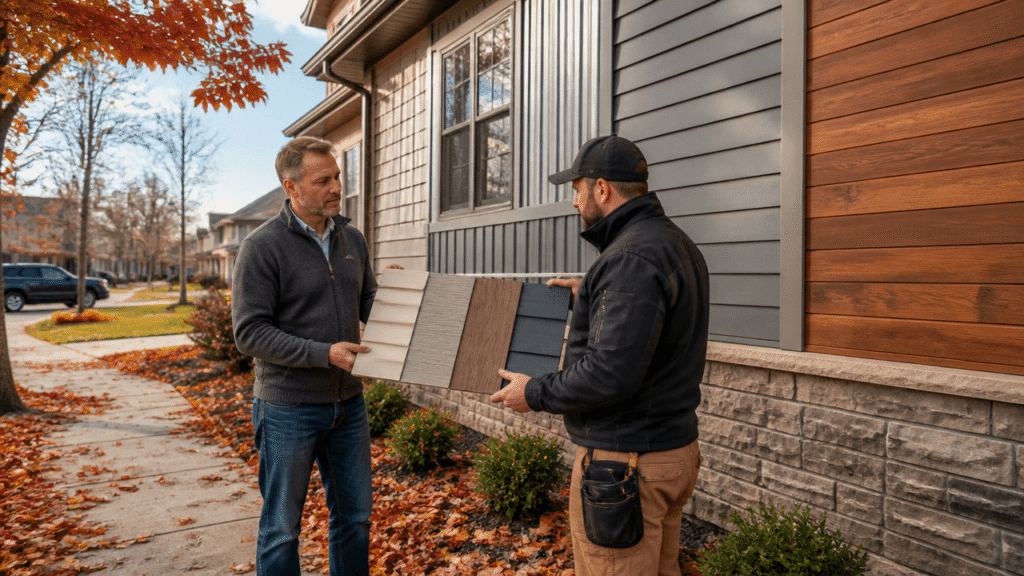
If you are comparing your options, it helps to look at your whole exterior, not just the gutter run itself. Roof edges, downspouts, and siding all play a part in how well the system works after installation. That is why many homeowners choose to address these needs together and get a cleaner result from the start.
Step-by-Step Guide
📝 Step 1: Check for visible gutter damage
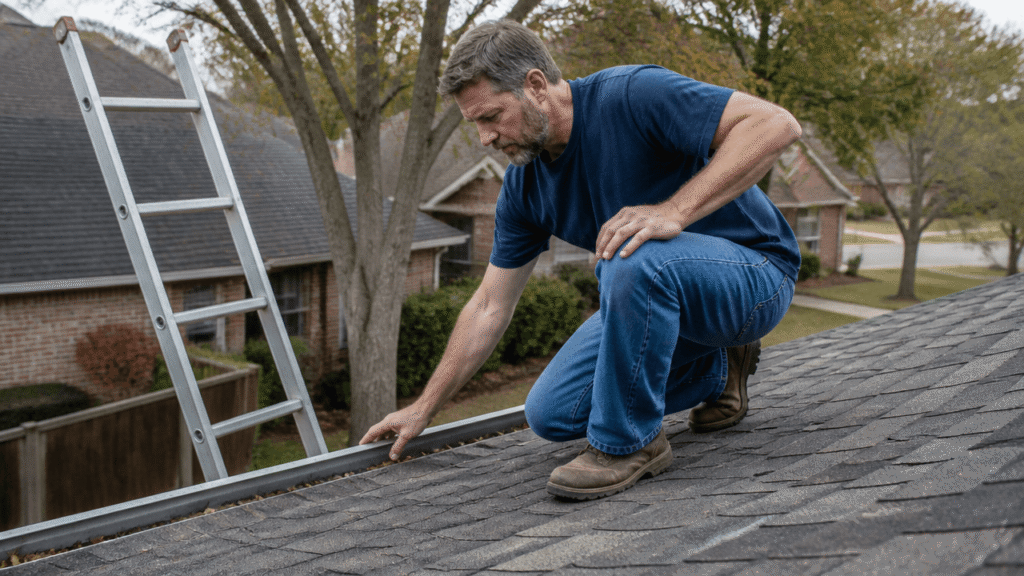
Look for sagging sections, rust, cracks, loose fasteners, and areas where water has spilled over before. These signs show that the system may not be ready for heavier seasonal rain.
📏 Step 2: Measure the roofline carefully
Accurate measurements help match the gutters to the home’s shape and drainage needs. A system that is too short or poorly placed can lead to overflow and poor water flow.
🧹 Step 3: Clear old debris from the work area
Remove leaves, dirt, and buildup near the roof edge and downspouts before work starts. A clean surface makes it easier to install new gutters and spot problem areas early.
🔧 Step 4: Remove damaged gutter sections
Take off parts that are bent, leaking, or separating from the house. This creates a solid base for the new system and prevents old damage from affecting the new setup.
📐 Step 5: Confirm proper slope for drainage
Gutters need a slight slope so water can move toward the downspouts. If the pitch is off, water can pool inside the gutter and cause faster wear or overflow.
🪜 Step 6: Secure gutters with the right fasteners
Fasteners should hold the system firmly along the roof edge. Strong attachment helps the gutters stay in place during wind, rain, and changing temperatures.
🌧️ Step 7: Test water flow after installation
Run water through the system to make sure it drains smoothly and exits through the downspouts. This quick test helps reveal leaks, clogs, or slope issues before the first storm arrives.
🏠 Step 8: Check the full drainage path
Make sure downspouts send water far enough away from the home’s foundation. This final step helps protect the home from pooling water and moisture problems around the base.
Common Mistakes to Avoid
Many DIY projects go wrong because people rush through the planning stage. Gutter work may look simple, but small mistakes can lead to overflow, leaks, or damage to the roof edge. Paying attention to each step helps keep the system working the way it should.
A lot of problems start when homeowners focus only on the visible gutter pieces and forget about drainage flow. Others skip important checks because they want to finish quickly before the weather changes. The best way to avoid trouble is to slow down, measure carefully, and test the system before calling the job done.
- ⚠️ Mistake 1: Skipping the damage check
This happens when someone assumes the old gutters are the only problem and does not inspect the roof edge or fascia. It can lead to missed wood rot, weak fasteners, or hidden wear that affects the new system. Prevent it by checking the full area before any work begins. - ❌ Mistake 2: Using the wrong measurements
This usually happens when the roofline is measured too quickly or from memory instead of with care. Poor sizing can cause gaps, overflow, or sections that do not fit cleanly. Prevent it by measuring each run twice and confirming the layout before installation. - ⚠️ Mistake 3: Forgetting to clear debris first
Some people start installation while leaves, dirt, or old buildup are still in place. That makes it harder to see problem spots and can trap moisture under the new system. Prevent it by cleaning the area before any new parts go up. - 🚫 Mistake 4: Ignoring the gutter slope
This mistake often happens because the system may look level at a glance, even when it is not draining well. If the pitch is wrong, water can sit in the gutters and cause overflow or stress on the joints. Prevent it by checking the slope during installation and testing water flow after. - ⚠️ Mistake 5: Ending the job without a drainage test
This happens when the work seems finished and the homeowner assumes everything will work fine. Without a test, leaks, poor flow, or downspout issues may not show up until the next storm. Prevent it by running water through the system and checking the full path to the ground.
Frequently Asked Questions
Why should we schedule gutter installation before fall season?
Yes, scheduling gutter installation before fall season helps protect your home before leaves and heavier rain create extra strain on the system. It also gives you time to fix problems before they turn into water damage.
How do we know if our gutters need to be replaced?
Yes, sagging sections, cracks, rust, overflow, and peeling fasteners are common signs that replacement may be needed. If water is not moving away from the house the way it should, the system may no longer be doing its job.
Can new gutters help with foundation protection?
Yes, new gutters can help protect the foundation by moving rainwater away from the base of the home. When the drainage path is set up correctly, it lowers the chance of pooling water near the house.
How long does a gutter installation usually take?
Yes, many gutter projects can be completed in a short time, but the exact timing depends on the home size and current condition. Homes with damage or drainage problems may need more prep before the new system goes in.
What makes gutter installation before fall season so important in Lake St. Louis, MO?
Yes, it matters because late-summer timing gives homeowners a better chance to prepare before weather shifts and seasonal debris starts building up. In Lake St. Louis, MO, this kind of timing helps keep water moving the right way when conditions start changing.
Final Thoughts on Getting Ready Now
Getting your gutters ready before fall is one of the smartest ways to protect your home from avoidable water problems. A careful plan, correct fit, and proper drainage all work together to keep your exterior in better shape through the season ahead. When you act early, you give yourself time to do the job right instead of reacting after damage starts.
If you are ready to take the next step, focus on the signs, follow the process, and make sure the system is set up to handle seasonal rain. We take pride in helping homeowners stay ahead of problems with work that is built to last. For more updates from our team, follow us on Facebook.