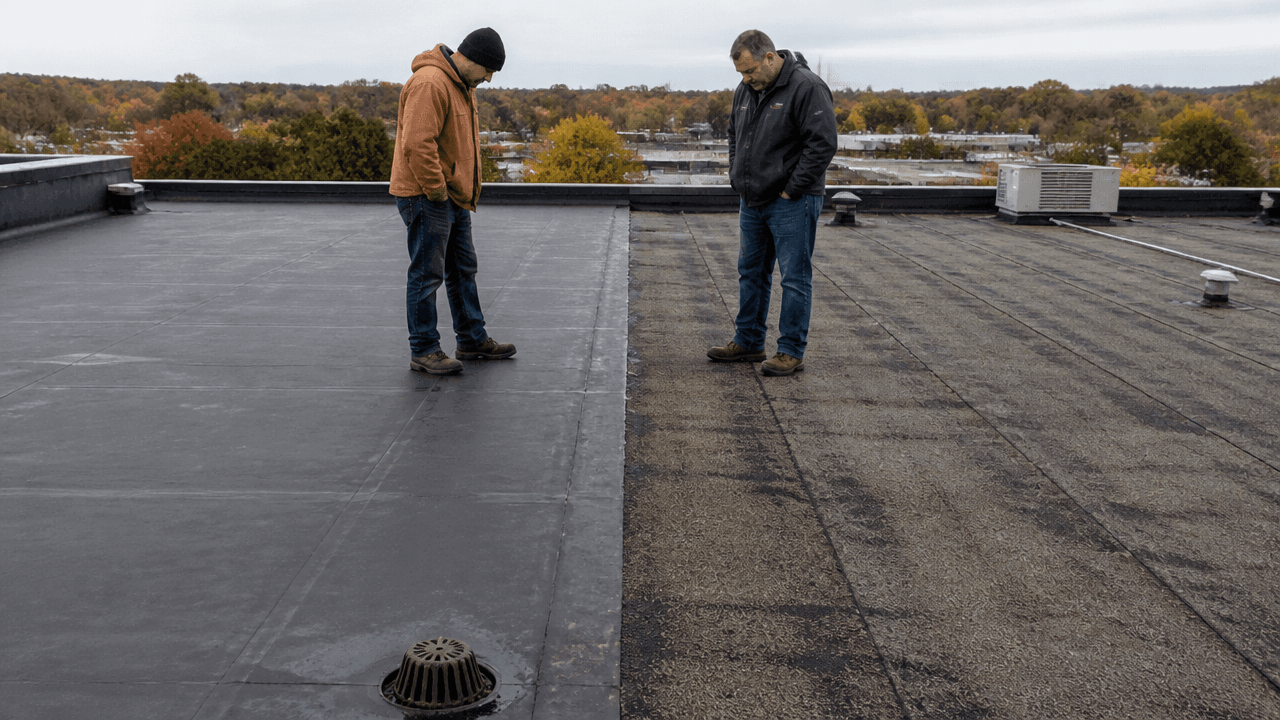
• EPDM and modified bitumen are both solid flat roof options, but they perform differently based on weather, roof use, and maintenance needs.
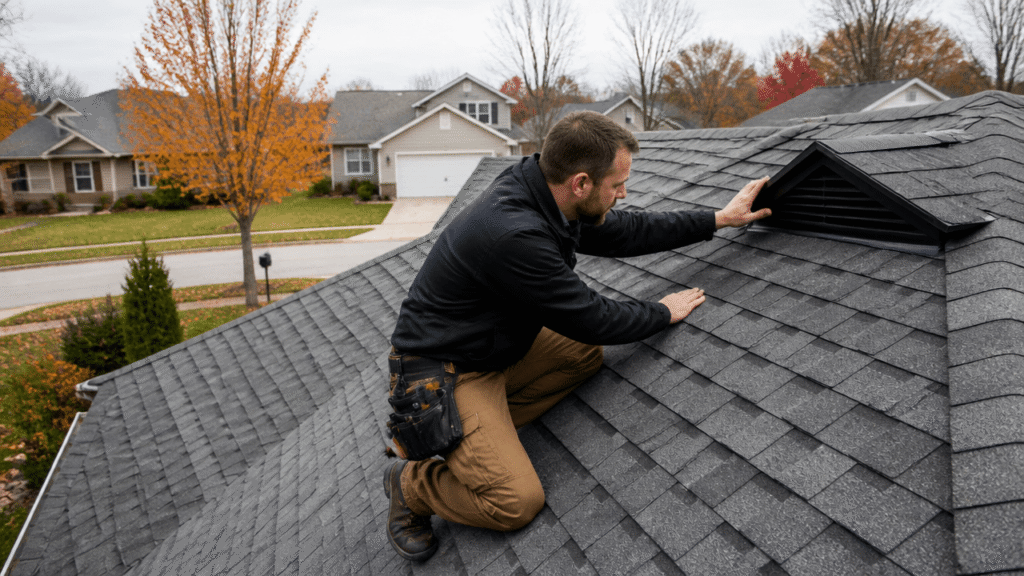
• In Kansas City, fall weather can put extra stress on a roof, so it helps to inspect for cracks, seams, pooling water, and other early warning signs before choosing a material.
• A careful roof check, material comparison, and professional assessment can help property owners choose the right system and avoid costly mistakes later.
Choosing Between EPDM and Modified Bitumen
When a roof starts showing age, the choice you make next can affect comfort, cost, and peace of mind for years. In Kansas City, MO, fall weather can bring cooler nights, sudden rain, and strong temperature swings that test a flat roof fast. That is why comparing EPDM vs modified bitumen roofing compared matters before small issues turn into bigger repairs.
For property owners weighing flat roof options, the difference is not just about material names. It is about how each system handles movement, water, and weather over time. We often help building owners understand these choices through our commercial roofing services so they can make a smart call before the season changes.
A roof does not need to fail completely before it asks for attention. Cracks, seam problems, and ponding water can grow faster when temperatures shift from warm afternoons to cool evenings. If we wait too long, the repair can become larger, more costly, and harder to manage.
What Makes These Roofs Different
EPDM is a rubber roofing option known for its stretch and simple surface layout. Modified bitumen is a layered asphalt-based system that is built for added strength and seam support. When we compare EPDM vs modified bitumen roofing compared, we look at how each one handles UV exposure, water flow, and routine wear.
EPDM often works well when a roof needs flexibility and fewer seams. Modified bitumen can be a better fit when a building needs a tougher surface that may handle foot traffic better. For owners trying to match the right material to the roof’s condition, the best answer starts with a careful look at the deck, drainage, and long-term use.
Step-by-Step Guide to Choose the Right Roof
🔍 Step 1: Inspect the Roof Surface
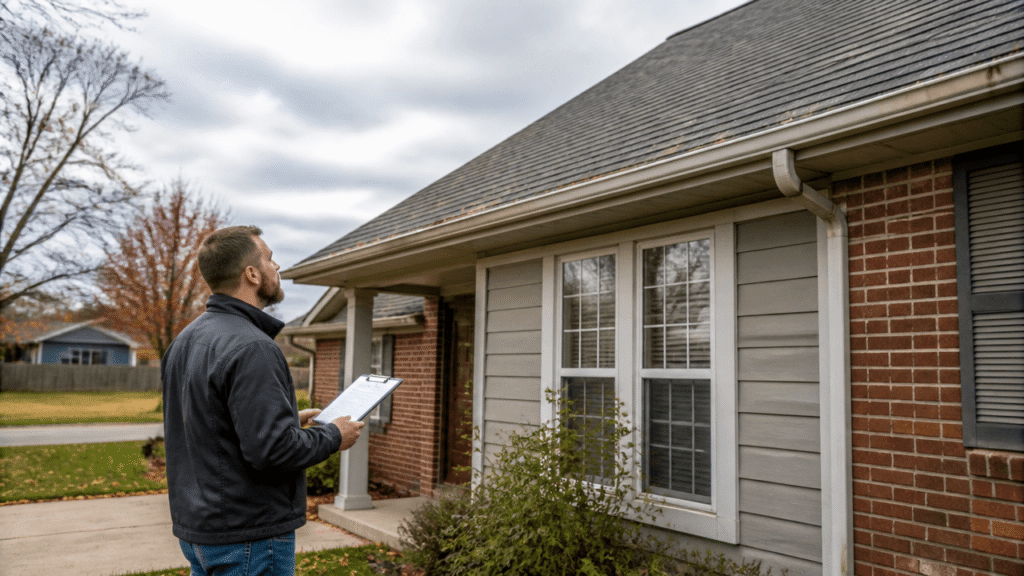
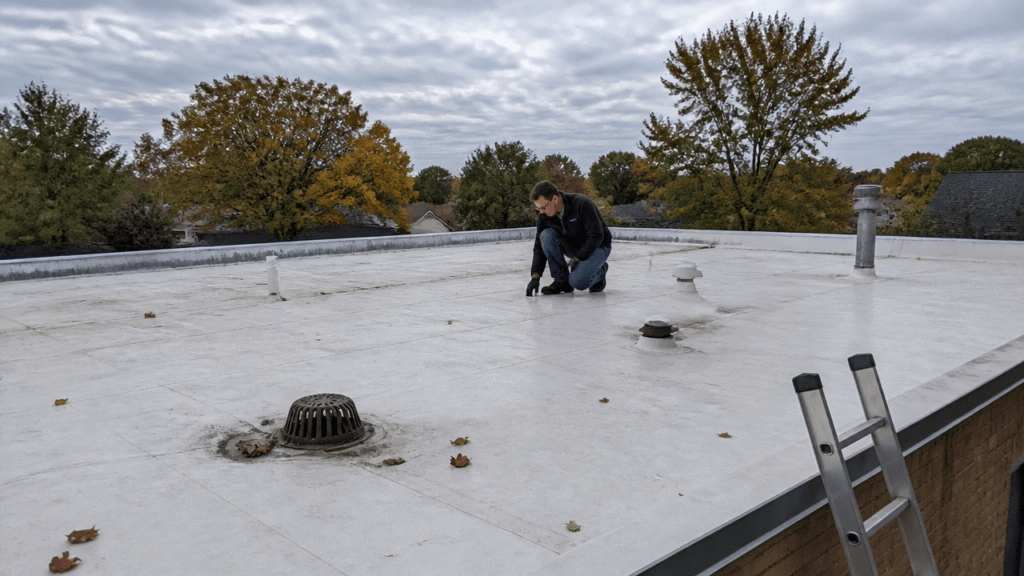
Start by checking for blisters, cracks, open seams, and soft spots. These signs help show whether the roof needs a flexible membrane or a layered surface that can better handle wear. A simple inspection gives us a clear picture before we compare materials.
🌧️ Step 2: Check Drainage Patterns
Look at where water sits after rain and how long it stays there. Flat roofs that hold water need careful attention because standing water can wear down weak points faster. This step helps us see how each roofing type may perform under real conditions.
🌡️ Step 3: Review Local Weather Stress
Think about the way Kansas City weather shifts through the fall. Cooler nights, daytime warmth, and rain can all put pressure on seams and flashings. Knowing this helps us choose a roof system that can handle changing conditions better.
🧱 Step 4: Match the Material to the Building
Consider the age, slope, and daily use of the roof. EPDM can work well on roofs that need flexibility, while modified bitumen may suit surfaces that need more layered protection. The right match depends on how the building uses the roof and what kind of wear it sees.
🛠️ Step 5: Compare Repair Needs
Look at how each material is usually maintained over time. EPDM repairs often focus on seams, patches, and surface wear, while modified bitumen may involve sealing areas that show cracking or splitting. This step matters because the easier a roof is to maintain, the more predictable the upkeep can be.
📋 Step 6: Weigh Long-Term Value
Do not focus only on the first price. We also need to think about service life, repair frequency, and how the roof may handle future storms. A roof that fits the building well can save time and stress later.
👷 Step 7: Get a Professional Roof Assessment
A trained roofing team can spot issues that are easy to miss from the ground. This is especially important when comparing EPDM vs modified bitumen roofing compared on an older building. A proper assessment helps us avoid guessing and choose based on real roof conditions.
Common Mistakes to Avoid
Choosing a roofing material can feel simple at first, but small mistakes can lead to larger problems later. Many DIY attempts fail because the roof is judged by appearance instead of condition. The best way to avoid trouble is to follow each step carefully and look at the roof as a full system.
- ⚠️ Mistake 1: Ignoring Surface Damage
Some people focus only on the roof type and miss clear signs of wear like cracks or soft areas. This happens because the surface may still look fine from a distance, but hidden damage often changes the right material choice. To prevent this, inspect the roof closely before deciding on EPDM or modified bitumen. - ⚠️ Mistake 2: Forgetting About Drainage
A roof with standing water can struggle if drainage is not part of the decision. This mistake often happens when people compare materials without checking where water collects after rain. Prevent it by reviewing slope, pooling, and runoff before choosing a system. - ⚠️ Mistake 3: Picking Based on Price Alone
The lowest first cost can seem like the easiest answer, but it may lead to more repairs later. People make this mistake when they focus on the quote and not on long-term upkeep or roof performance. A better approach is to weigh cost, durability, and maintenance together. - ⚠️ Mistake 4: Overlooking Weather Stress
Kansas City weather can place real stress on roofing seams and materials, especially in the fall. This mistake happens when the roof is chosen without thinking about temperature swings and rain. To prevent it, choose a material that fits the local climate and the roof’s condition. - ⚠️ Mistake 5: Skipping a Full Roof Check
Some DIY projects start with a guess instead of a full inspection. That usually leads to the wrong material being chosen or old damage being left untreated. Prevent this by checking the entire roof area first, including edges, seams, and drainage points.
Frequently Asked Questions
Which is better, EPDM or modified bitumen?
The better choice depends on the roof, the building, and how much foot traffic the surface gets. EPDM often works well for flexibility, while modified bitumen can be a better fit when a stronger layered surface is needed.
Is EPDM good for flat roofs?
Yes, EPDM is a common choice for flat roofs. It is flexible, handles movement well, and can work well when the roof needs a simpler membrane system.
How does modified bitumen roofing perform in fall weather?
Modified bitumen roofing can perform well in fall weather when it is installed and maintained correctly. Its layered design can help it handle seasonal wear, especially where seams and surface protection matter.
What should I check before choosing EPDM vs modified bitumen roofing compared?
You should check the roof’s age, drainage, current damage, and how the building uses the space. Those factors usually tell us more than the material name alone and help narrow the best option.
Can both roofing types be repaired?
Yes, both roofing types can be repaired when the damage is caught early. The repair method depends on the material, the size of the issue, and how much of the roof is affected.
Final Thoughts on Your Roof Choice
Choosing the right flat roof material takes more than a quick price check. When we look at the roof’s condition, local weather, and daily use, the decision becomes much clearer. That is the best way to handle EPDM vs modified bitumen roofing compared with confidence.
If the roof is showing signs of wear, now is the time to act before the season changes bring more stress. A careful review can help us avoid bigger repairs and choose a solution that fits the building well. To stay connected with our team, follow us on social media.