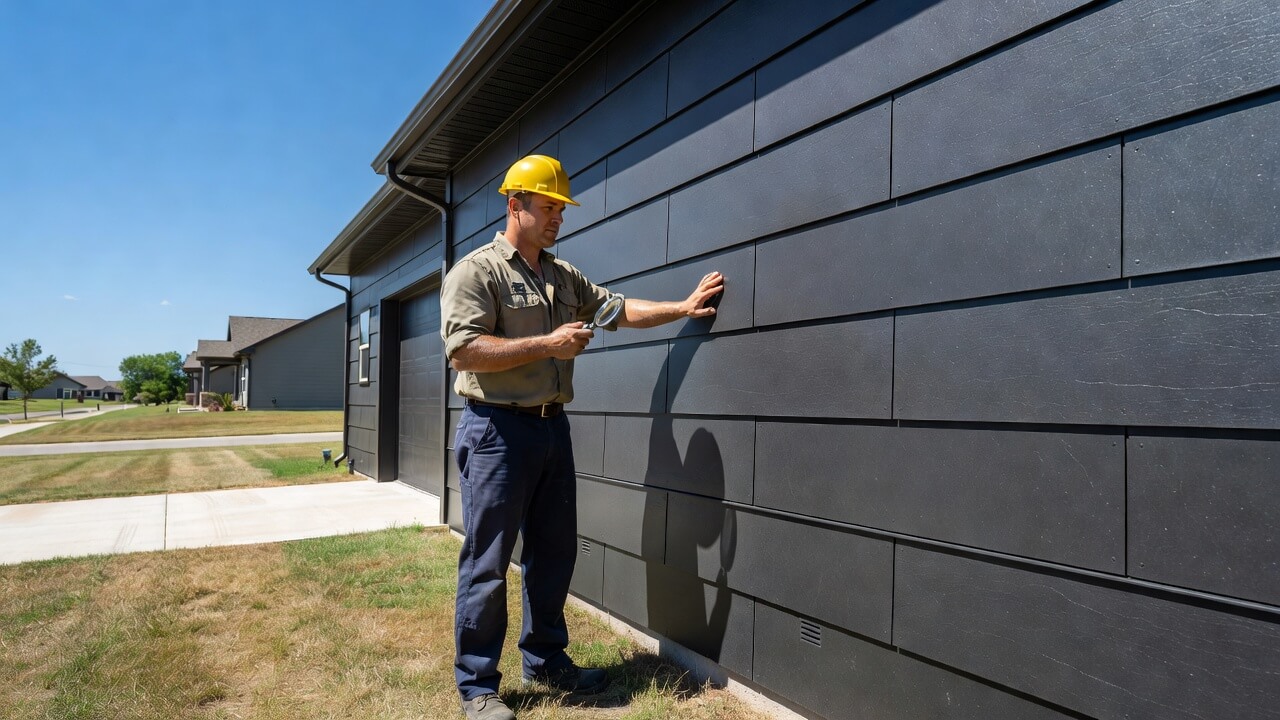
• Why summer heat matters: Hot weather can wear down siding faster, especially on homes with strong sun exposure in Liberty, MO. Choosing the right material early can help prevent fading, warping, and added repair costs.
• How to choose the right siding: The best siding materials for hot climates are the ones that hold their shape, resist fading, and match your home’s structure. Material type, color, and proper installation all play a role in how well the siding performs.
• What to avoid with DIY siding work: Common mistakes include skipping the inspection, picking the wrong material, and using poor fastening or spacing. Knowing what to watch for can help you make a smarter choice and protect your home through the hottest months.
Why Summer Siding Choices Matter
When the heat settles into Liberty, MO, the outside of a home starts working harder than most people notice. Choosing the right siding can make a real difference in how well a house handles long stretches of sun and high temperatures. If a wall system traps heat, fades fast, or weakens over time, small issues can turn into bigger repairs.
That is why many homeowners look closely at siding materials for hot climates before the hottest part of the year gets deep into summer. The right choice can help a home stay more comfortable while also holding up better against strong sun and seasonal weather shifts. Our team at siding services knows how much of a difference the right material can make over time.
Heat does not just affect comfort inside the home. It can also wear down color, seals, and the surface of siding itself if the material is not built for long exposure. That means the best time to act is before the damage starts showing up in plain sight.
What to Know Before You Choose
Not every siding product handles summer heat the same way, and that matters in a place like Liberty, MO. Some materials expand more in the sun, while others hold their shape and color better under steady exposure. A smart choice starts with understanding how each option reacts to heat, moisture, and day-to-day wear.
When we talk about siding materials for hot climates, we are really talking about durability, stability, and comfort. The best fit for one home may not be the best fit for another, especially when shade, airflow, and wall exposure all play a role. Careful planning now can help reduce headaches later and support a home that looks good through the whole summer season.
How To Pick Siding for Hot Weather
🌞 Step 1: Check How Much Sun Your Home Gets
Look at which sides of the house get the most direct sunlight during the day. Homes with strong west or south exposure often need siding that can handle more heat and fading.
📋 Step 2: Compare Heat-Ready Materials
Review siding options that are known for stability in hot weather, such as fiber cement, vinyl designed for warmer conditions, and engineered products made for exterior use. These materials are often chosen because they can stand up better to heat and daily weather stress.
🧪 Step 3: Look at Expansion and Fade Resistance
Find out how each material reacts when temperatures rise. Siding that expands too much or fades quickly can lead to uneven lines, worn color, and a shorter useful life.
🏠 Step 4: Match the Material to Your Home’s Structure
Make sure the siding choice fits the way your home is built. Wall shape, insulation, and existing exterior layers all affect how well a material performs in hot weather.
🔧 Step 5: Inspect the Current Siding First
Check for cracks, warping, loose panels, or areas that already show sun damage. This helps you decide whether a repair, replacement, or full change is the better move.
🧱 Step 6: Choose a Color That Holds Up
Lighter colors often absorb less heat than darker ones, which can help reduce surface stress. A color that stays cooler can also help the siding keep its look longer during summer.
📐 Step 7: Plan for Proper Installation
Even the right siding can fail early if it is installed poorly. Correct spacing, fastening, and sealing matter because heat can make weak installation problems show up fast.
✅ Step 8: Schedule the Work Before Peak Heat
Getting the job done earlier in the season can help avoid delays and reduce stress on the home during the hottest stretch. It also gives the material time to settle in before extreme temperatures are at their highest.
Common DIY Mistakes to Avoid
Trying to handle siding work alone can seem like a good way to save money, but heat makes small errors more costly. Many problems start with simple oversights that are easy to miss when the focus is only on appearance. Knowing the most common mistakes can help you avoid damage and wasted effort.
⚠️ Mistake 1: Choosing a Material Without Checking Heat Performance
This happens when homeowners pick siding based on price or looks alone. It often leads to fast fading, warping, or trim movement once summer heat builds up. To prevent it, compare how each material handles sun exposure before making a decision.
❌ Mistake 2: Ignoring the Home’s Sun Exposure
Some people forget that one side of the house may take far more heat than the others. That can cause uneven wear and make certain panels age much faster. The fix is simple: check which walls get the strongest sun before buying materials.
🚫 Mistake 3: Skipping the Existing Siding Check
Homeowners sometimes install over old problems without looking for damage first. Hidden cracks, soft spots, or loose sections can lead to bigger issues after the new siding goes on. A full inspection helps make sure the base is ready for the work.
⚠️ Mistake 4: Using the Wrong Fastening or Spacing
Siding needs room to move a little as temperatures change, especially in hot weather. This mistake often happens when someone rushes the job or does not know the material’s needs. Proper spacing and fastening help prevent buckling and gaps later on.
❌ Mistake 5: Picking a Color That Absorbs Too Much Heat
Dark colors can look great, but they may hold more heat on the surface. That extra heat can add stress to the siding and make summer wear worse over time. Choosing a cooler color option can help reduce that risk.
Frequently Asked Questions
What are the best siding materials for hot climates?
Yes, fiber cement and certain vinyl products are often strong choices for hot climates. siding materials for hot climates should resist fading, warping, and excess heat buildup while still fitting the home’s style. The best option depends on the home’s exposure, structure, and budget.
Does siding color matter in hot weather?
Yes, siding color can affect how much heat the surface absorbs. Lighter colors usually reflect more sunlight than darker ones, which can help reduce heat stress over time. That can be useful for homes that get strong afternoon sun.
Can hot weather damage siding?
Yes, hot weather can wear siding down if the material is not made for long sun exposure. Heat can lead to fading, expansion, and surface stress that shortens the siding’s life. Choosing the right product helps reduce those risks.
How do I know if my siding needs replacement?
Yes, visible cracking, warping, fading, or loose panels are common signs that siding may need attention. If the material no longer protects the home well or keeps showing repeated damage, replacement may be the better option. A careful inspection can help confirm the next step.
Is vinyl siding good for hot climates?
Yes, some vinyl siding products perform well in hot climates when they are made for heat exposure. siding materials for hot climates should be chosen with expansion, color retention, and overall durability in mind. Not all vinyl is the same, so product quality matters.
Wrapping Up Your Summer Siding Plan
Choosing the right siding for summer heat takes a little planning, but it can protect your home from extra wear and help it stay looking its best. When we focus on sun exposure, material strength, and proper installation, we give the home a much better chance of standing up to the season. That is especially important in Liberty, MO, where hot weather can put added stress on exterior surfaces.
If you are thinking about siding materials for hot climates, now is a smart time to review your options and take action before heat-related problems grow. A well-chosen material can support comfort, curb appeal, and long-term value through the warmest months. To keep up with our latest updates, follow us on Facebook.