• PVC roofing works best when the roof deck is clean, dry, and ready before installation begins. Careful planning helps prevent leaks, weak seams, and costly fixes later.
• Summer weather in Overland Park, KS can affect roofing work, so timing and setup matter. A smart installation plan helps protect the roof from heat, storms, and drainage issues.
• The installation process includes membrane layout, seam sealing, flashing checks, and a final inspection. These steps help create a PVC roof that performs well and lasts longer.
Why PVC Roofing Matters in Summer
When summer heat settles over Overland Park, KS, a roof can take a beating fast. PVC roofing is built to handle tough weather, but the PVC roofing installation process explained is what helps it perform the way it should. If the work is rushed or skipped over, small mistakes can turn into bigger roof problems later.
We often hear from property owners who want a roof that can stand up to heat, rain, and daily wear. That is why it helps to understand what goes into the job before the first sheet goes down. If you are planning work soon, our roof replacement services can help you make the right call for your building.
A good roof starts with careful planning and the right materials. In summer, delays can also mean more sun exposure on an already tired roof deck. Knowing what to expect gives you more control and helps you avoid last-minute stress.
What We Look For Before Installation
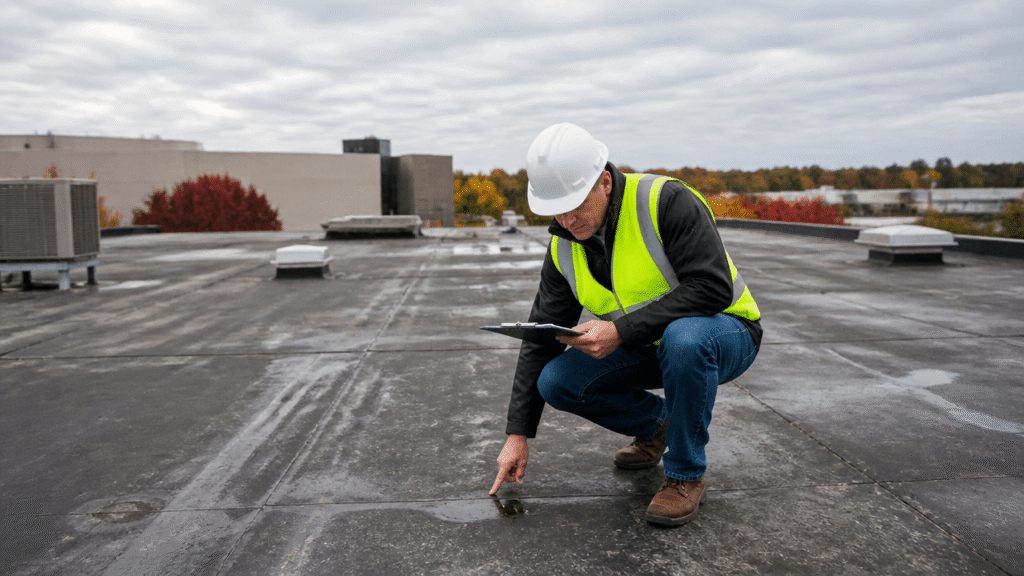
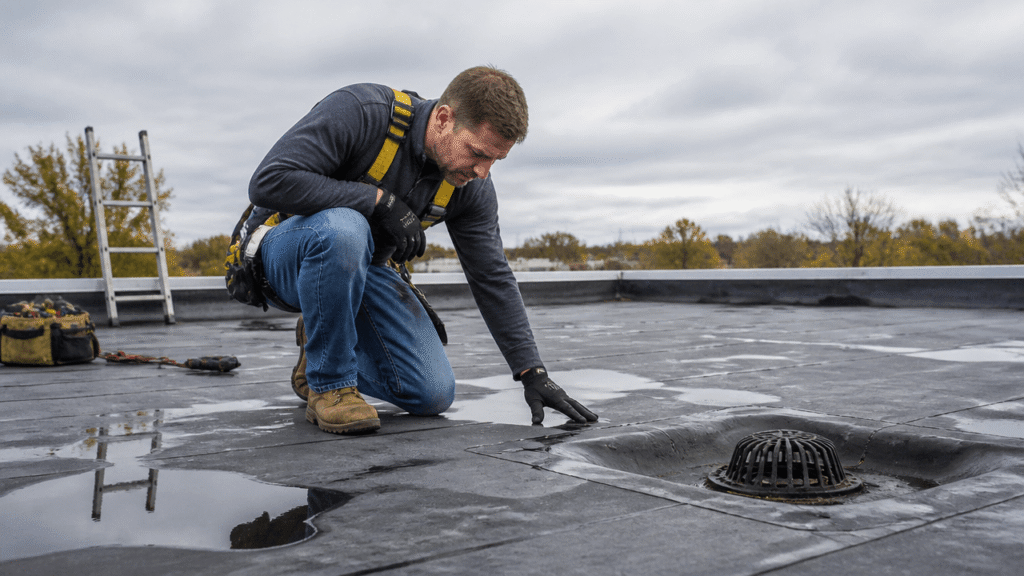
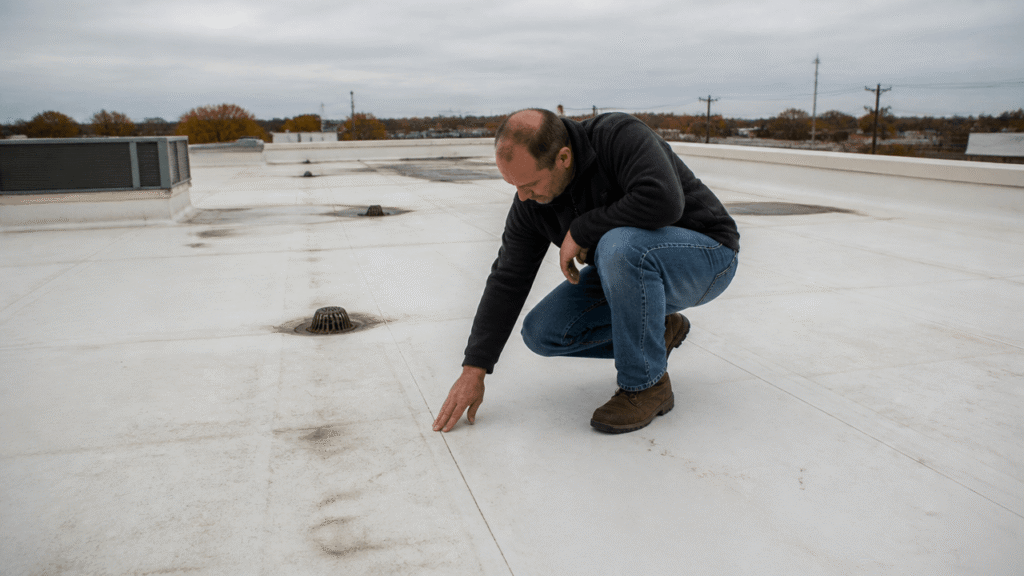
The first step is checking the roof deck, drainage, and any problem areas that need attention. We want a clean, solid base because PVC roofing depends on a smooth surface for lasting performance. If the base is weak or uneven, the finished roof may not hold up the way it should.
We also look at the weather window before we begin work. Summer in Overland Park can bring heat and sudden storms, so timing matters as much as the materials themselves. A careful plan helps us keep the project moving and reduces the chance of setbacks.
Tips from the Pros
🛠️ Tip 1: Start with a clean roof deck
A clean roof deck gives the PVC membrane a better surface to sit on. Dust, loose debris, and old fasteners can get in the way of a proper fit.
📋 Tip 2: Check for wet spots first
Moisture trapped under a new roof can lead to trouble later. We always make sure the deck is dry before moving ahead with installation.
🌡️ Tip 3: Plan around summer heat
Hot weather can affect how materials are handled during the job. In Overland Park, KS, we work carefully so the roof system is installed under the best possible conditions.
🔎 Tip 4: Inspect flashing edges closely
Flashing helps protect the areas where leaks often start. These spots need extra care because seams and edges are more exposed to water entry.
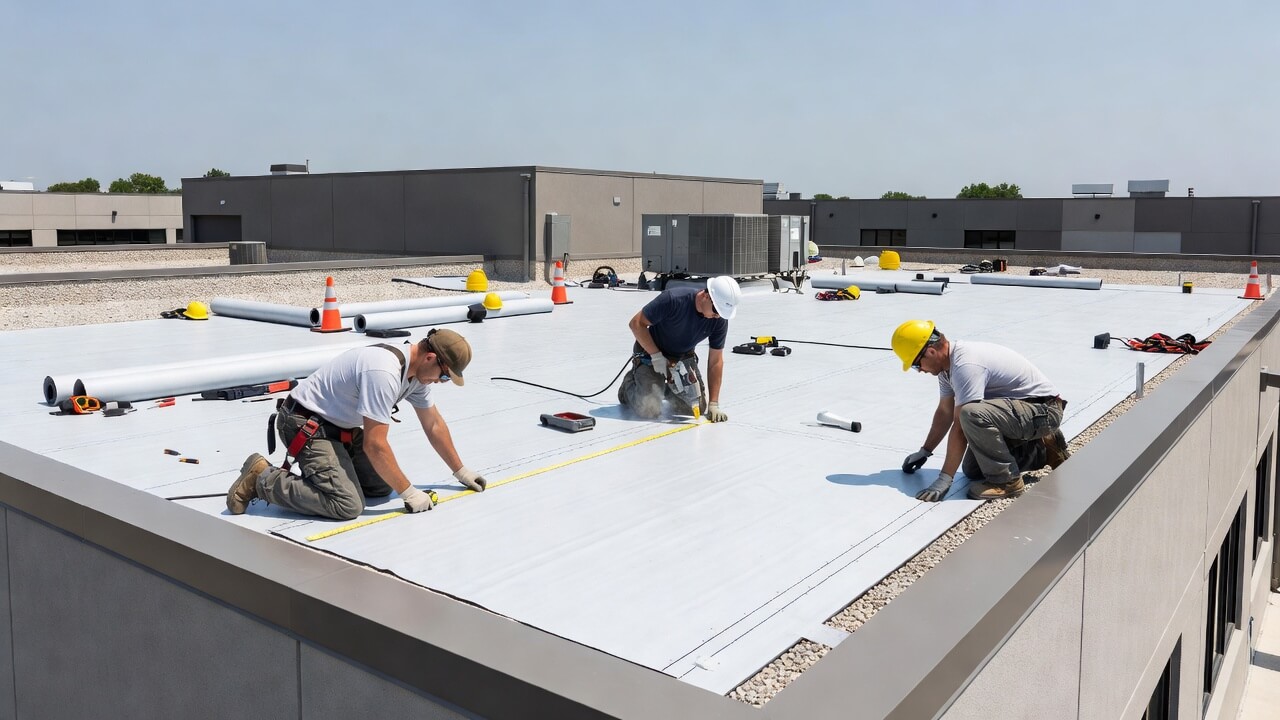
📐 Tip 5: Keep the membrane layout straight
A straight layout helps the roof look better and perform better. When the membrane is aligned correctly, it is easier to form tight seams and reduce weak spots.
🔥 Tip 6: Use heat welding with care
PVC roofing often uses heat-welded seams to create a strong bond. That process has to be done carefully so the seam seals correctly and stays tight over time.
🌧️ Tip 7: Make drainage part of the plan
Standing water can shorten the life of a roof system. Good drainage helps move water off the surface and protects the roof after summer storms.
✅ Tip 8: Finish with a full final check
A final inspection helps catch loose edges, missed seams, or problem areas before the job is done. This step matters because small issues are easier to fix right away than after the roof has been exposed to weather.
Frequently Asked Questions
What is the PVC roofing installation process explained in simple terms?
It is the step-by-step method of preparing the roof, placing the PVC membrane, sealing the seams, and checking the finished surface. The process is designed to create a roof that can resist water, heat, and everyday wear.
How long does a PVC roof installation usually take?
It usually takes a short to moderate amount of time depending on roof size, weather, and the condition of the deck. A simple roof may move faster, while a roof with repairs or drainage issues may take longer.
Why is PVC roofing a good choice for summer weather?
PVC roofing is a good choice because it handles heat well and can stand up to moisture from storms. The surface and seams are designed to support strong performance during warm, active weather.
Does the roof deck need repairs before PVC installation?
Yes, the deck should be in solid shape before installation begins. Any soft, damaged, or uneven areas should be fixed first so the roof system has a reliable base.
Can PVC roofing work on commercial buildings in Overland Park, KS?
Yes, PVC roofing works very well on many commercial buildings in Overland Park, KS. It is a practical option for properties that need dependable weather protection and steady performance through the summer months.
Final Thoughts on PVC Roofing
A well-planned PVC roof project gives your building a better shot at long-term protection. When we follow the right steps, we help reduce problems and give the roof a stronger finish. That is why the details matter from start to finish.
If you are thinking about roofing work this summer, now is the time to pay attention to the process and the condition of your roof. We are here to help property owners make smart choices that fit the season and the needs of the building. For updates from our team, feel free to follow us on Facebook.