• PVC and TPO are both strong flat roof options, but the right choice depends on how the building is used, how much sun it gets, and how it handles water.
• Summer heat in Springfield, MO can stress flat roofs, so it helps to compare seam strength, drainage, and long-term value before making a decision.
• A careful roof review can show whether PVC vs TPO roofing for flat roofs is the better fit for your property and help avoid costly mistakes later.
Why Flat Roof Choices Matter in Summer
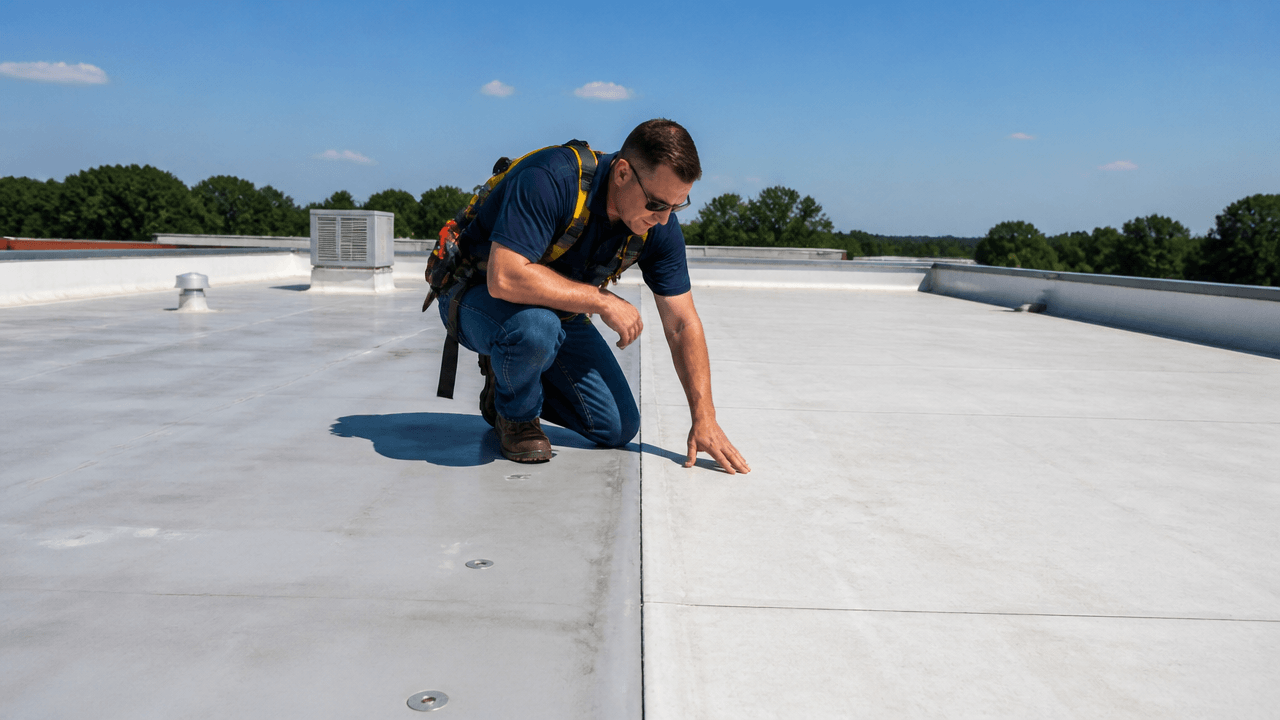
When summer heat settles into Springfield, MO, a flat roof has to handle long stretches of sun and sudden storms. That is where PVC vs TPO roofing for flat roofs becomes a real decision, not just a material choice. Picking the right fit can help protect a building from heat stress, standing water, and daily wear.
Flat roof owners often wait until a problem shows up before comparing options, and that can lead to rushed choices. The materials may look similar at first, but they perform differently when the weather turns hot and wet. If you are weighing your options now, we recommend starting with our commercial roofing services to see what works best for your building.
In warmer months, roof surfaces absorb more heat and can expand and contract more often. That movement can affect seams, edges, and long-term performance if the system is not matched to the building. A smart roof choice now can help avoid bigger repair costs later.
What To Know Before You Compare
PVC and TPO are both common single-ply roofing materials, but they are not built the same way. PVC often handles grease and chemicals well, while TPO is often chosen for its lighter cost and reflective surface. We look at more than price alone because a roof should match the building’s needs, the weather, and the daily use of the space.
The best choice depends on what the roof must handle over time. Sun exposure, foot traffic, drainage, and nearby equipment all matter when comparing PVC vs TPO roofing for flat roofs. If your building has more complex needs, we often start by reviewing the full roof system through our roof replacement services so the material choice fits the whole structure.
Tips From The Pros
🧰 Tip 1: Match the roof to the building use
PVC roofing is often a strong fit for buildings that deal with grease, oils, or chemical exposure. TPO can be a better match for many general-purpose flat roofs where heat reflection and budget matter.
🌞 Tip 2: Think about summer heat first
Hot weather can put extra stress on seams and rooftop materials. In Springfield, MO, the roof system should hold up well during long sunny stretches and sudden weather changes.
💧 Tip 3: Check how each system handles water
Flat roofs need reliable drainage because standing water can lead to early wear. A good comparison should include how the material performs around seams, low spots, and areas where water drains slowly.
🔍 Tip 4: Look closely at seam strength
Seams are one of the most important parts of any single-ply roof. A roof with strong seam work can stand up better to wind, heat, and repeated expansion.
📋 Tip 5: Compare long-term value, not just price
The lowest starting cost is not always the best deal over time. A roof that fits the building well may help reduce repair needs and keep the system performing longer.
🛠️ Tip 6: Inspect the roof before making a choice
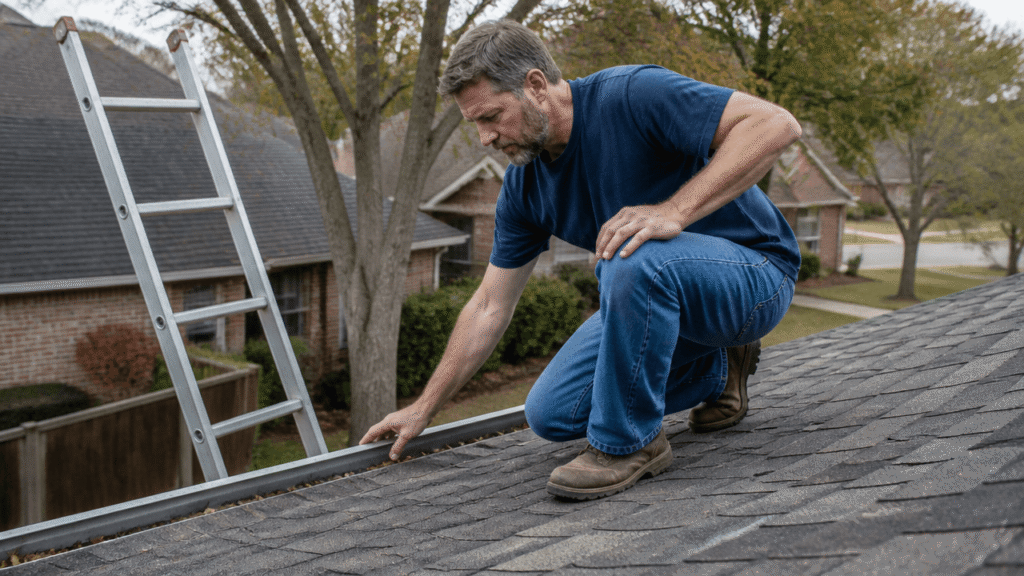
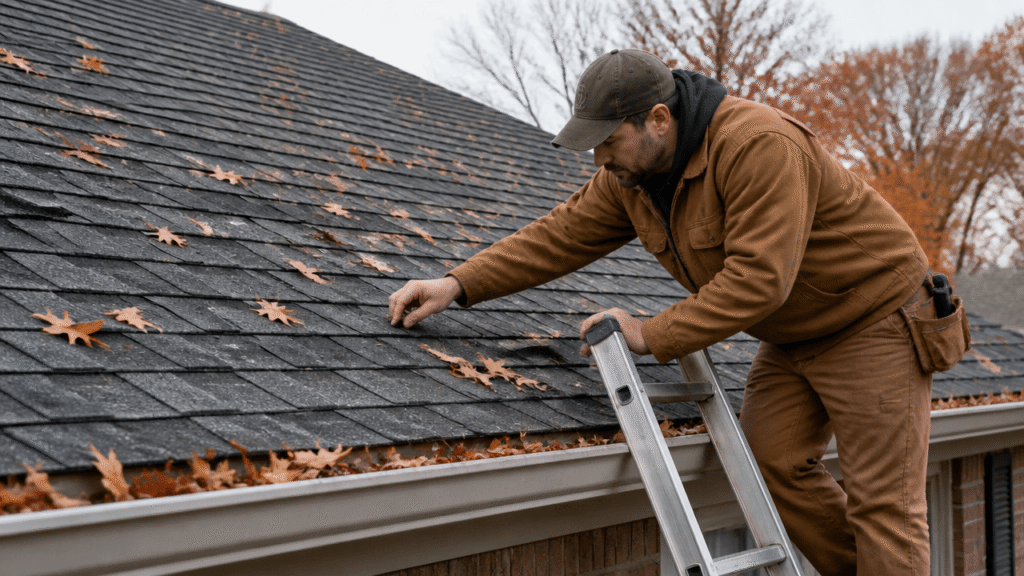
A current roof inspection can reveal damage, weak spots, or drainage problems that affect the final decision. This is especially helpful when a flat roof is already showing signs of age.
🌧️ Tip 7: Plan for storm season
Summer storms can test any flat roof quickly. The right material should help handle heavy rain, wind, and the stress that comes after a strong weather shift.
🏢 Tip 8: Ask about the building’s daily demands
Foot traffic, rooftop equipment, and building activity all matter when choosing between PVC and TPO. The right roof should fit how the property is used every day, not just how it looks on paper.
Frequently Asked Questions
What is the main difference between PVC and TPO roofing?
The main difference is how each material is made and how it performs in different conditions. PVC is often chosen for stronger resistance to oils and chemicals, while TPO is often picked for cost and heat reflection.
Which is better for flat roofs in hot weather?
TPO is often a good choice for hot weather because it reflects sunlight well. PVC can also perform well in heat, especially when the roof needs stronger resistance to chemicals or grease.
How long does PVC vs TPO roofing for flat roofs usually last?
Both materials can last many years when installed and maintained properly. The real lifespan depends on the roof design, weather exposure, installation quality, and routine care.
Is PVC more expensive than TPO?
Yes, PVC is often more expensive than TPO at the start. Many property owners still choose PVC when the roof needs extra resistance to certain substances or tougher use conditions.
How do I choose between PVC vs TPO roofing for flat roofs?
The best choice depends on how the building is used, how much sun the roof gets, and what kind of wear it faces. For many Springfield properties, a professional review helps match the material to the roof’s real-world needs.
Final Thoughts On Your Roof Choice
Choosing between PVC and TPO is about more than picking a material from a list. It is about finding the right match for your building, your budget, and the summer weather in Springfield, MO. When those factors line up, the roof has a better chance of performing well for years.
If you are still comparing options, our team is here to help you make a clear, confident choice. We focus on practical answers, honest guidance, and roofing solutions that fit the property. For updates and company news, you can follow us on social media.