• A clear roof plan helps new buildings stay on schedule, match the structure, and avoid costly mistakes during installation.
• A simple checklist keeps the project organized, from choosing materials and checking the deck to reviewing flashing, safety, and final inspection.
• Smart roof planning in Wichita, KS matters even more in summer, when heat and weather can affect timing, crew safety, and long-term roof performance.
Set a clear plan before roof work begins
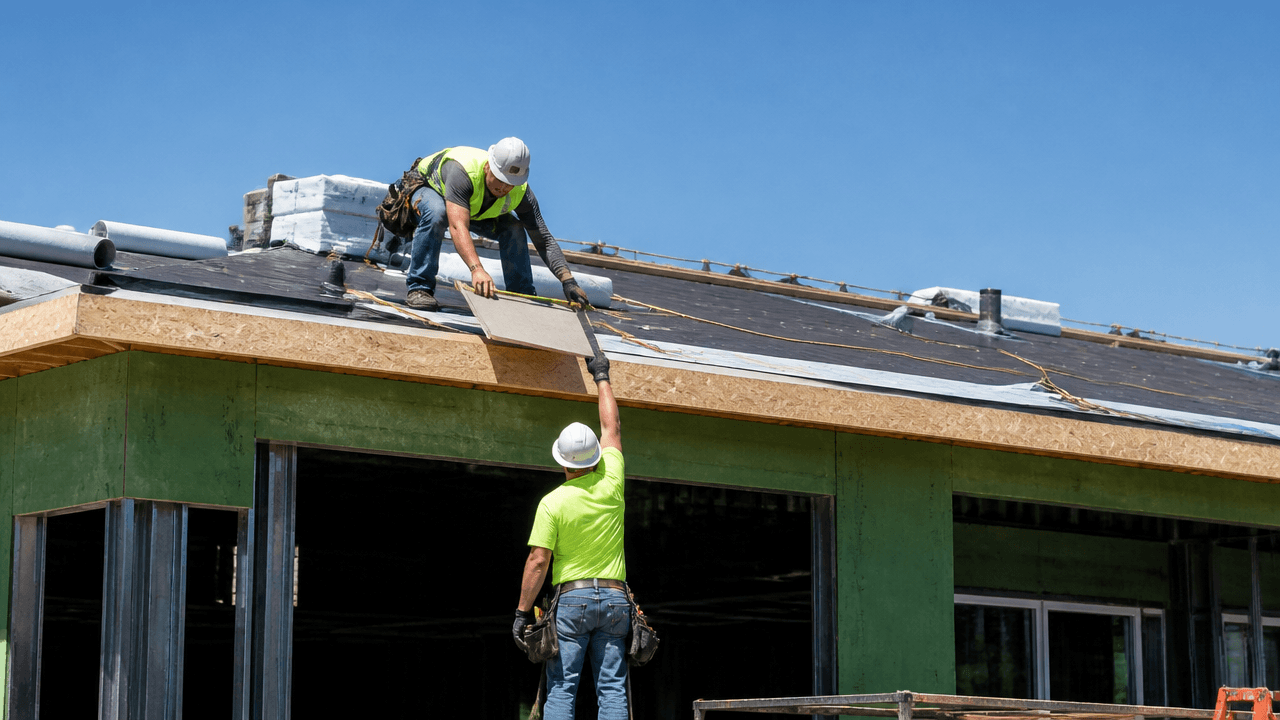
The main goal of the roof installation process for new buildings is to create a safe, weather-ready roof that fits the structure from day one. This starts with a clear plan for materials, timing, and site access so each step moves in the right order.
When the crew knows the layout and building needs early, they can avoid delays and common mistakes. A solid plan also helps property owners stay on budget and keep the project moving smoothly.
For larger builds, this is the stage where details matter most, and commercial roofing support can help match the roof system to the building type. The goal is to make sure the final roof is ready for long-term use, local weather, and daily wear.

Roof Installation Checklist for New Buildings
A good checklist keeps the roof installation process for new buildings on track from the first day on site. It helps the team stay organized, avoid missed steps, and keep the roof ready for changing weather.
- ✅ Confirm the roof design fits the building plans
- ✅ Choose roofing materials that match the structure
- ✅ Check that the roof deck is clean and ready
- ✅ Review weather conditions before scheduling work
- ✅ Make sure all flashing areas are planned in advance
- ✅ Verify that safety steps are in place for the crew
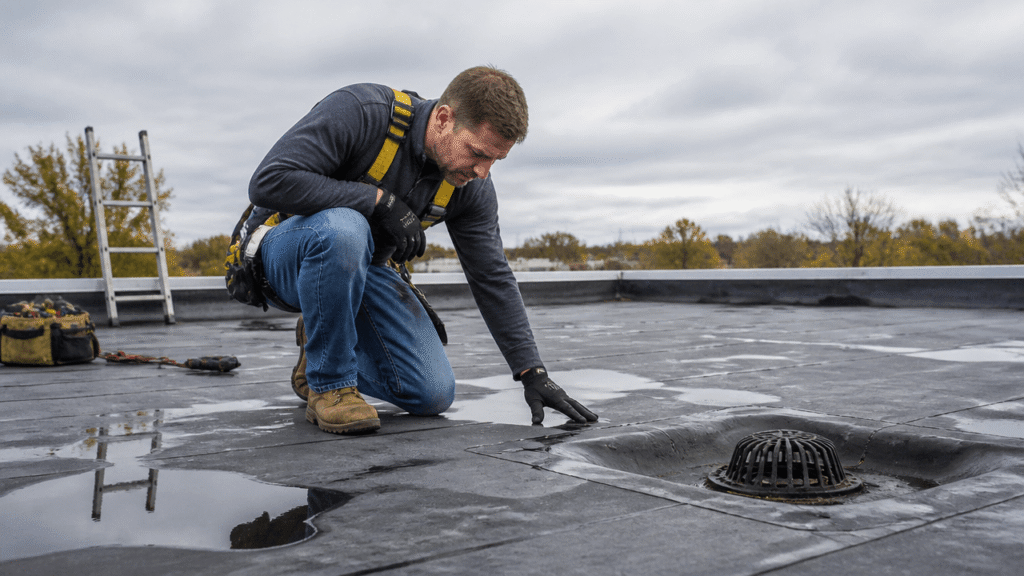
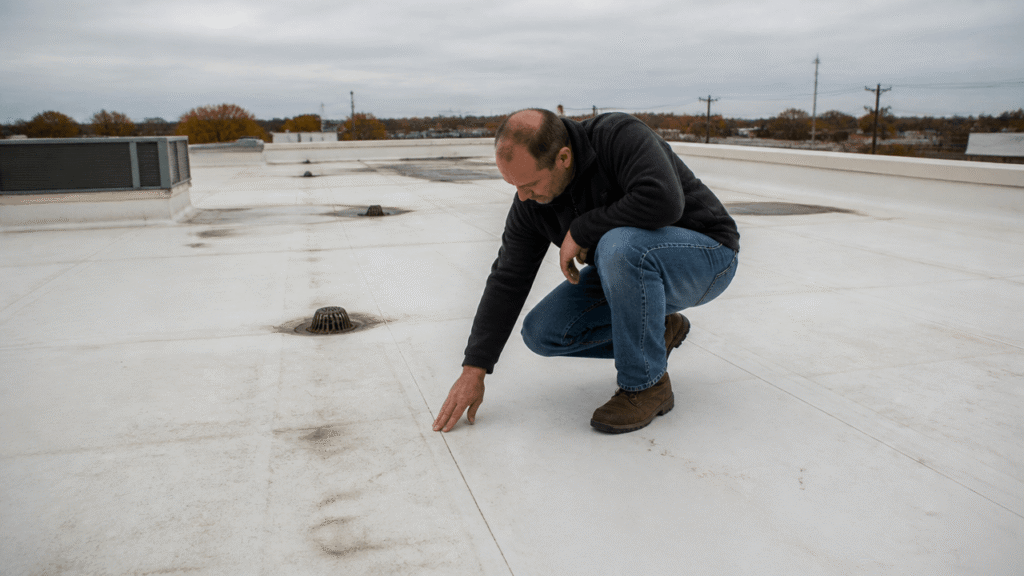
- ✅ Inspect the finished roof for gaps or weak spots
- ✅ Set a plan for ongoing roof care after installation
Each of these steps helps create a roof that can stand up to daily use and local conditions. A clear checklist also makes it easier for property owners and contractors to stay aligned from start to finish.
In Wichita, summer heat can add pressure to the schedule, so early planning matters even more. Keeping each step in order helps the project move efficiently and supports a strong result.
Additional Advice
One of the best ways to keep a roofing project on track is to work from the building’s needs first, not the material shelf. The roof should fit the structure, the weather, and the long-term use of the property.
It also helps to choose a crew that knows how to handle new construction roofing from start to finish. A skilled team can spot issues early, make smart calls on materials, and keep the roofing project details moving in the right direction.
A common mistake is waiting too long to review drainage, flashing, or roof edges. Small oversights in the roof installation process for new buildings can lead to bigger problems later, especially when summer weather puts extra stress on the roof.
For best results, keep communication open between the builder, owner, and roofing crew. Clear updates make it easier to solve problems fast and protect the structure as the work moves forward.
Frequently Asked Questions
What is the roof installation process for new buildings?
It is the step-by-step process of building a roof that fits a new structure and protects it from the weather. The work usually includes planning, material selection, surface prep, installation, and final inspection.
How long does a new building roof installation take?
The timeline depends on the building size, roof type, and weather conditions. A smaller project may take only a few days, while larger buildings can take much longer.
What roofing material is best for new construction?
The best material depends on the building design, budget, and local weather. In many cases, the right choice is the one that gives the best mix of durability, performance, and fit for the structure.
Why is planning important before roof installation starts?
Planning is important because it helps prevent delays, mistakes, and extra costs. It also makes sure the roof system matches the building and is ready for long-term use.
Can summer weather affect the roof installation process for new buildings?
Yes, summer heat and storms can change the timing and pace of the work. In a place like Wichita, crews need to watch the weather closely so the roof installation process for new buildings stays safe and efficient.
Final Thoughts on New Building Roof Planning
A strong roof starts with smart planning, careful work, and a clear understanding of what the building needs. When each step is handled in the right order, the result is a roof that is ready to perform well for years.
From the first checklist item to the final inspection, every part of the process matters. If you want to stay connected with local roofing updates, tips, and company news, follow our Facebook page.