
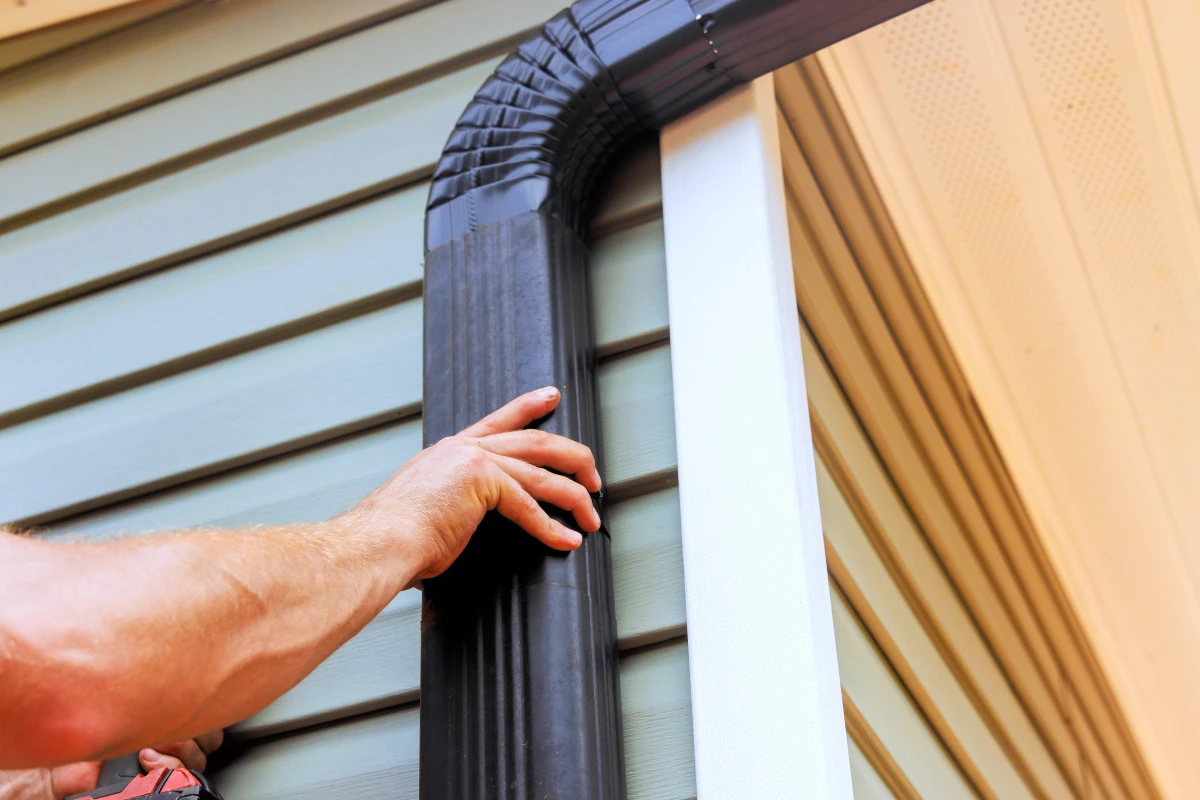
A Homeowner's Guide for Shamrock's 8-State Service Area

5 Warning Signs Your Gutters Need Replacement

There is a point where repairs stop working — these five signs mark it. Cleaning, re-sealing, and re-hanging can keep a sound gutter system going for years. But there is a point where the material, the structure, or the drainage function has failed — and no amount of maintenance will change that. Across shamrock’s eight-state service area, where hail, freeze-thaw cycles, and severe spring storms put gutters under constant stress, these five signs consistently mean one thing: it is time to replace, not repair.
year functional lifespan for aluminum gutters
20
year lifespan cut short by hail in KS, OK & CO markets
20 +
of hail events also damage gutters along with the roof
0 %
years when hanger fatigue becomes a replacement risk
0 +
PROCESS

The 5 Warning Signs Your Gutters Need To Be Replaced

Step 1​

The same crack or hole keeps coming back after repairs

Recurring Damage Means the Material Has Failed — Not the Repair. 1 A patch that lasts one season before reopening tells you the gutter itself is the problem. Rust-through on steel sections and stress fractures on aluminum indicate that the base material has broken down. In high-hail states like Kansas, Oklahoma, and Colorado, repeated impact accelerates this cycle rapidly. When a repair fails twice in the same location, replacement is the more cost-effective path forward.
Step 2

Gutters sagging or pulling away from the roofline

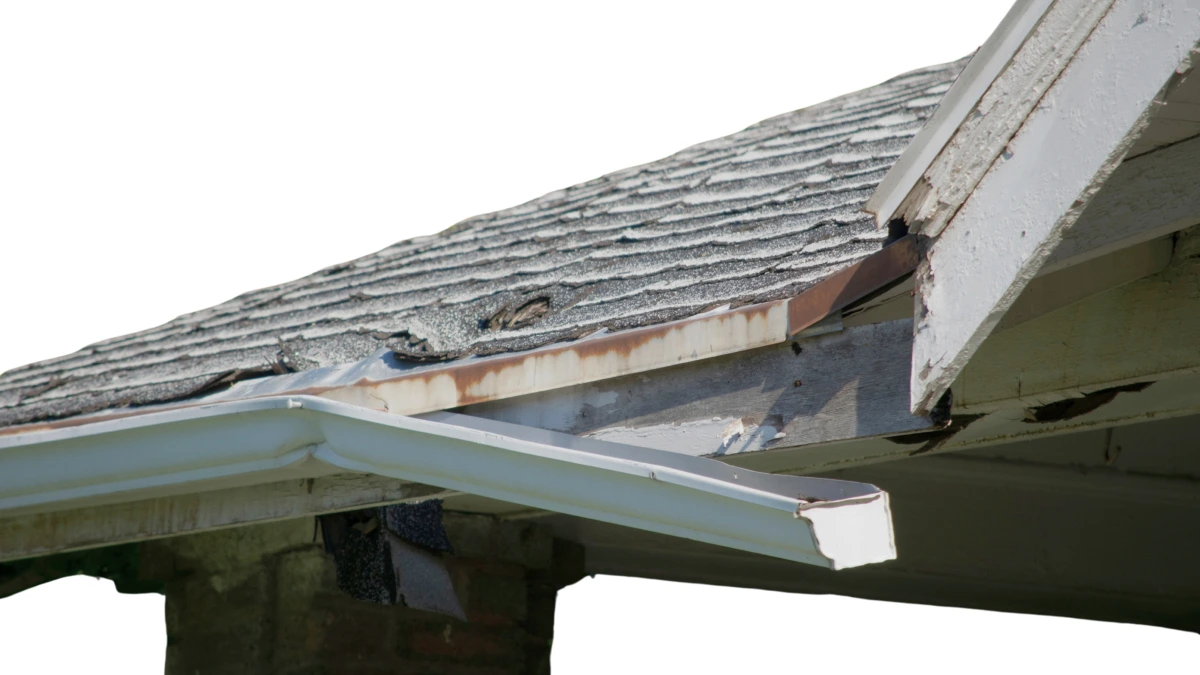
A Gutter That Has Lost Its Pitch Cannot Drain — It Only Overflows. Sagging sections and gutters pulling away from the fascia mean the hangers, fascia wood, or both have failed. Re-hanging on rotted wood will not hold. In Nebraska, Kansas, and Missouri, freeze-thaw cycles and heavy ice loads are the leading cause of hanger failure in systems over 15 years old. Once the structure behind the gutter is compromised, full replacement — with sound fascia attachment and corrected pitch — is the only lasting fix.
Step 3

Three or more leaking seams in the same season

Widespread Joint Failure Is a System Problem. Not a Spot Problem One leaking seam is a repair. Three or more across the same run tell you the sealant and material have aged uniformly throughout. Sectional gutters in older homes across Kansas City, Tulsa, Omaha, and Fort Smith follow this pattern as they near end of life — seams begin failing progressively until re-sealing no longer survives a full weather cycle. At that point, the whole run needs to come down.
Step 4

Your gutters are 20+ years old with no replacement history

Age and High-Hail Exposure Are Reason Enough for a Professional Look. Aluminum gutters last 20–30 years under typical conditions — but in Kansas, Oklahoma, and Colorado, frequent hail shortens that window. A 20-year-old system in Wichita or Denver has absorbed far more cumulative stress than one in a mild climate. Hidden joint deterioration, hanger fatigue, and pitch loss are common in aged systems and won’t show up until the next major storm exposes them.
Step 5

Water Pools Around the Foundation

When a Clean Gutter Still Drains Wrong, the System Itself Has Failed. If you clear the gutters and still see foundation staining, soil erosion along the drip line, or basement moisture after rain, the problem is structural. Undersized gutters, failed pitch, and deteriorated downspout connections all cause drainage failure even when debris-free. From Springfield to Oklahoma City, this recurring pattern is the clearest sign that cleaning is no longer the answer.
gutters2
Climate Impact

Why Shamrock'S 8-State Markets Accelerate Gutter Deterioration

KS/OK Hail Seasons

Kansas, Oklahoma, and Colorado rank among the top U.S. states for hail frequency — impact damage accelerates gutter failure significantly

Rot & Structural Risk

A failed gutter system in contact with fascia for multiple seasons drives wood rot into the structural soffit assembly behind it

Spring Storm Season

Severe spring storms across AR, KS, MO, and OK hit gutters with high-volume runoff that exposes every weak point in aging systems

Tornado Alley Risk

Kansas, Oklahoma, and Missouri sit in Tornado Alley — high-wind events regularly tear gutter sections from fascia boards in a single storm

MO/NE Freeze-Thaw

Missouri and Nebraska freeze-thaw cycles expand seam gaps and fatigue hanger fasteners in systems over 15 years old

CO Altitude & UV

Denver and Colorado markets face intense UV at altitude that degrades gutter sealants and joint material faster than lower-elevation states4
gutters3
BEFORE YOU REPLACE

Smart Homeowner Tips Before Replacing Your Gutters

Never re-hang gutters on rotted fascia — sound wood is required for lasting attachment, and sealing rot behind new gutters accelerates structural damage

Walk your foundation perimeter during a rainstorm, not after — overflow and misdirected discharge are only visible while the system is under load

After any hailstorm in Kansas, Oklahoma, or Colorado, inspect gutters alongside the roof — impact damage to both systems typically happens in the same event

If the same seam has been re-caulked more than once, the material at that joint has failed — patching it a third time is not a lasting repair

Probe fascia boards before authorizing gutter work — soft or spongy wood behind the gutter line must be replaced before new hangers will hold

Document foundation staining and soil erosion with dated photos across multiple seasons — the pattern demonstrates structural drainage failure to any contractor