
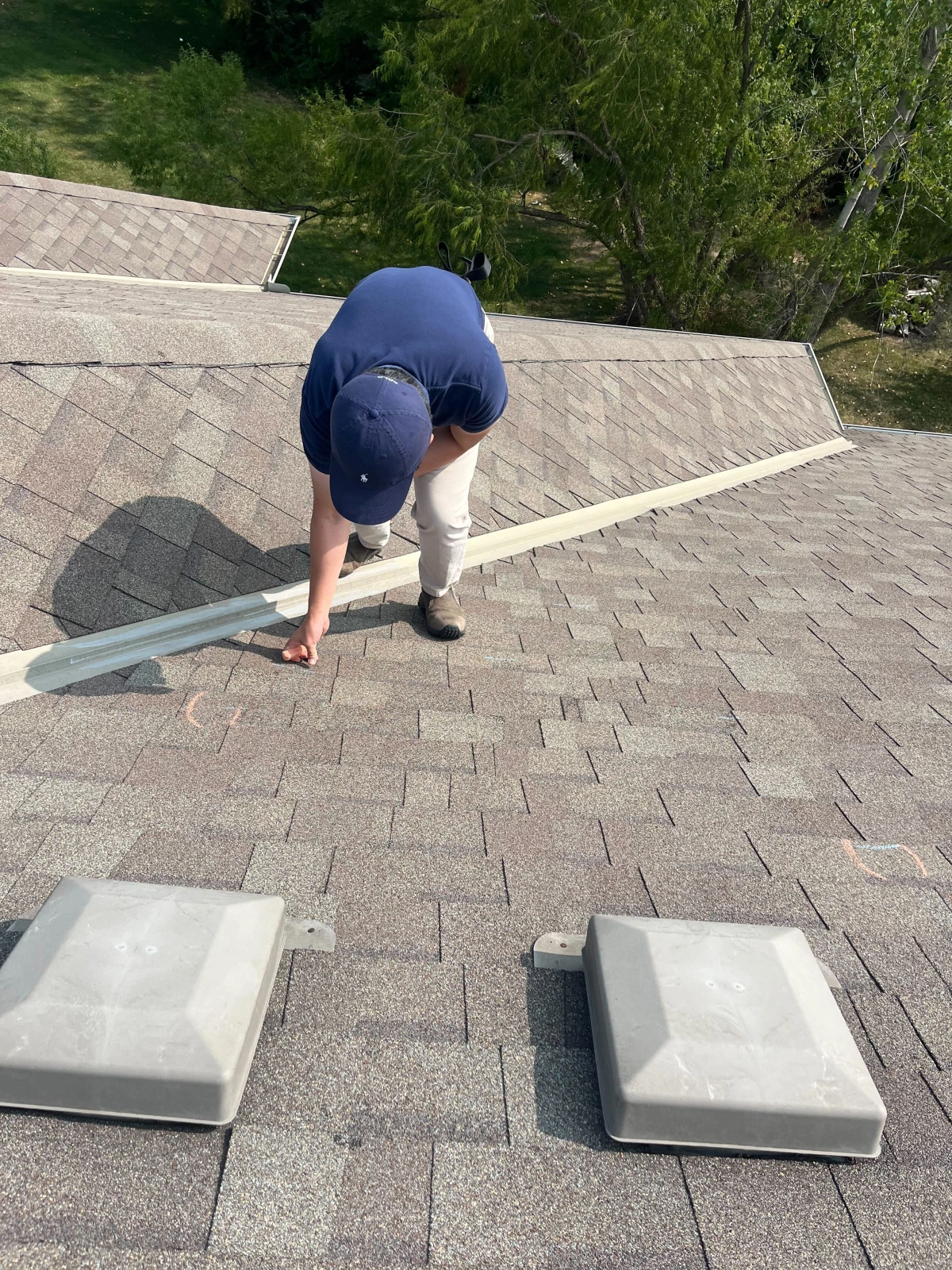
The Midwest's dramatic seasonal temperature swings create repeated expansion-contraction stress on all attic materials — wood, insulation, and roofing — amplified by poor ventilation.
Hail and high winds from Kansas City to Oklahoma City already stress roofs hard. Ventilation failure compounds that damage by weakening deck integrity before storms even arrive.
Ice dam damage across Nebraska, Colorado, and Missouri is directly linked to heat escaping through poorly ventilated attic spaces. Balanced airflow eliminates the root cause.
The Midwest's humidity in spring and fall creates significant moisture load on attics. Without proper exhaust, that moisture accumulates in insulation and wood through the winter season.
Most manufacturer shingle warranties require balanced attic ventilation to remain valid. Improper or blocked ventilation can void coverage — a detail many homeowners discover too late.
Kansas, Missouri, and Oklahoma summers deliver relentless heat. An attic running 30–40°F above outdoor temperatures signals a ventilation problem — not a roofing material issue.
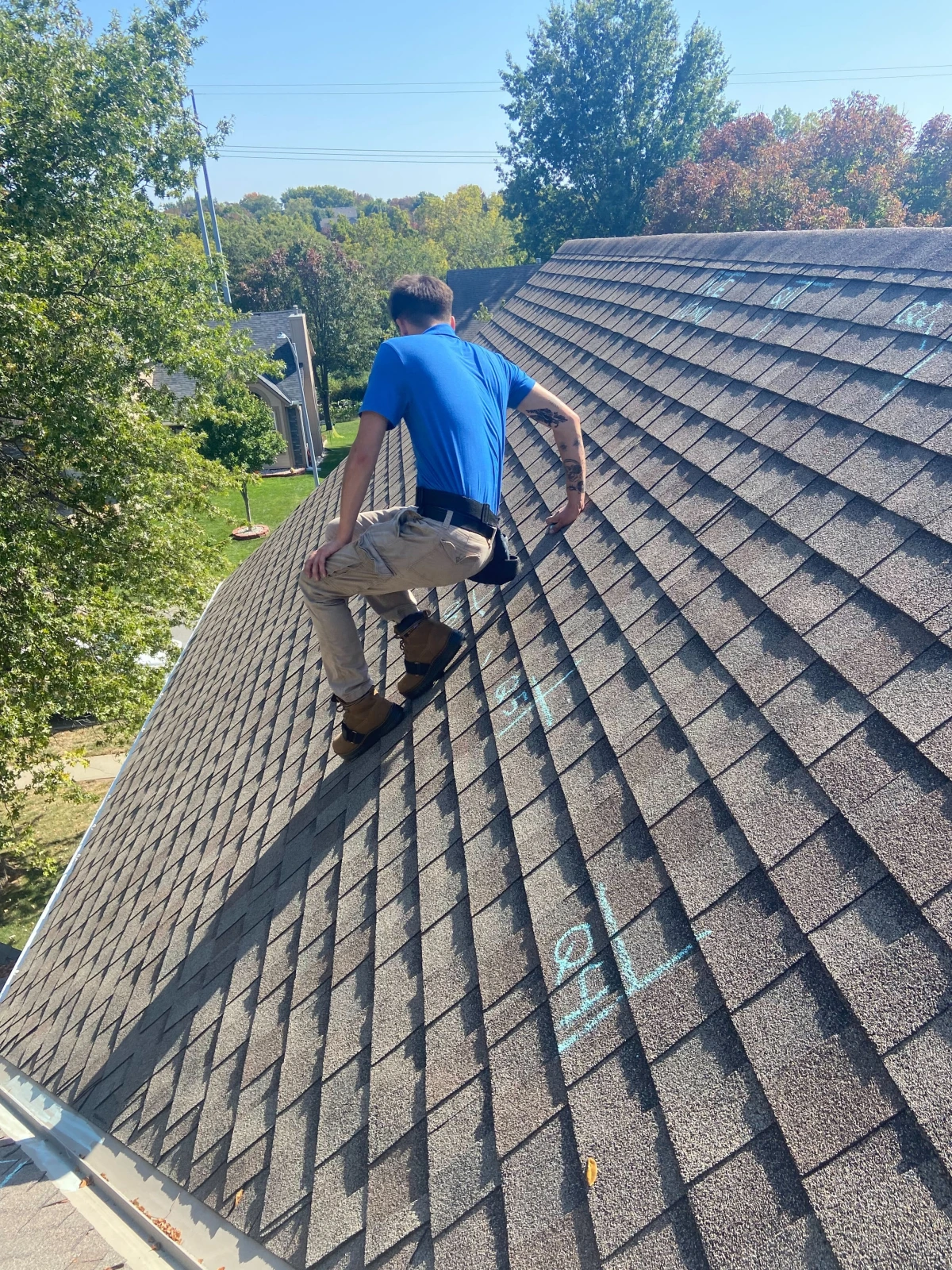
Check your soffit vents every spring — debris, insulation, and bird nests commonly block intake airflow, negating any exhaust ventilation installed at the ridge.
Balanced ventilation requires equal intake (soffit) and exhaust (ridge) area — exhaust-only systems without adequate intake create negative pressure that draws humid air from the house.
In Midwest markets, inspect attic ventilation before every winter season — addressing it proactively costs far less than remediating ice dam damage to ceilings and walls.
When replacing a roof, always review the ventilation system at the same time — new shingles installed over a poorly ventilated attic will underperform their rated lifespan from day one.
If you see daylight through your attic floor insulation but not through soffit vents, the intake is blocked — a common installation error that compounds over time.
Keep attic insulation clear of soffit vents to maintain airflow — blocked intake can reduce efficiency and lead to excess heat and moisture buildup.