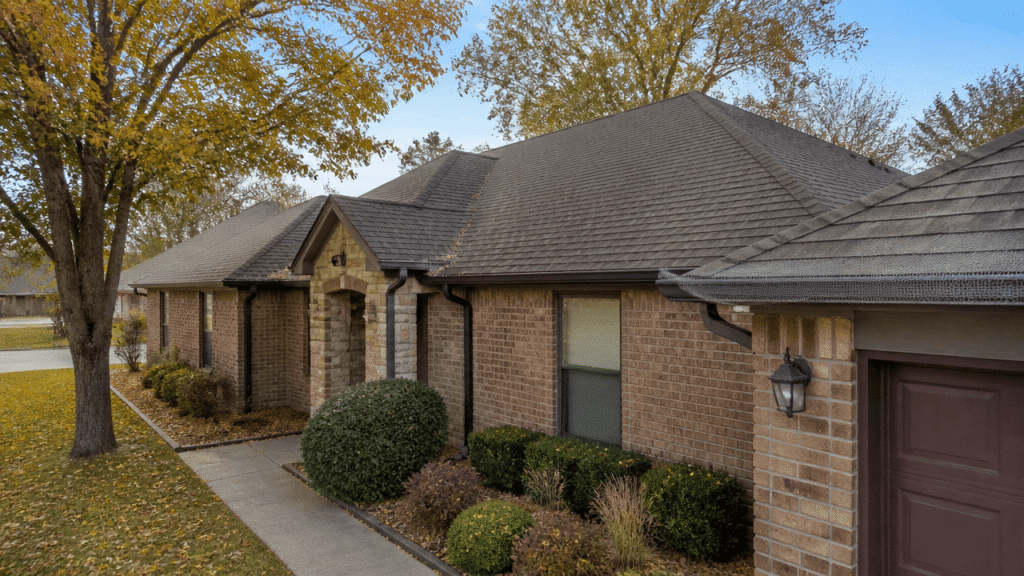
• Exploring the differences between PVC and TPO roofing materials in terms of reflectivity and their impact on Kansas City homes.
• Highlighting the benefits and potential drawbacks of using highly reflective roofing options in various climates.
• Providing essential considerations for Kansas City homeowners when choosing between PVC and TPO for their roofing needs.
Understanding the Impact of Your Roof on Energy Efficiency
In the bustling heart of Kansas City, homeowners are becoming increasingly aware of how their choices affect their household’s energy consumption and costs. The roof, often overlooked, plays a pivotal role in regulating indoor temperatures and directly influences monthly utility bills. As we head deeper into spring, the urgency to select the right roofing material that combats heat and maximizes energy efficiency becomes fundamental. Materials like PVC and TPO are in the frontline of roofing innovations, combining durability with cutting-edge technology designed to reflect sunlight. A well-chosen roof not only promises comfort but also translates into significant savings, making this decision more relevant than ever.
Reflective roofing is not just a buzzword; it’s a crucial component of modern sustainable living. By understanding the reflective properties of PVC and TPO roofing materials, homeowners can make an informed choice that yields long-term benefits. Although both materials boast high solar reflectance, each offers unique advantages and subtle differences that could sway your decision. PVC, known for its sturdiness and solar reflectivity, can effectively radiate heat away from your home, while TPO’s impressive reflectivity can result in even greater energy savings. Aligning these materials’ attributes with Kansas City’s seasonal changes can be the key to enhancing your home’s energy efficiency.
As we prepare to dive into the specifics of PVC vs. TPO reflectivity, remember that this is not merely about immediate returns. An astute choice in roofing today can mitigate future energy cost hikes and contribute to a more comfortable, sustainable home environment. In the following sections, we’ll unpack the nuances between these two materials, from installation techniques to maintenance requirements. This knowledge arms you with the power to choose not only a reflective roof but a roofing solution that stands the test of time against Kansas City’s dynamic weather patterns.
**Call out for FAQ/Concern:** How reflective roofing can lead to energy savings and a more comfortable home in Kansas City’s climate.
Comparing TPO and PVC Roofing Materials
When delving into the world of TPO roofing materials, it’s clear why they stand out as a top choice for Kansas City homeowners. TPO’s composition reflects a significant amount of sunlight, with some products deflecting up to 87%, a feature that is essential in managing indoor climate. The reflective property of TPO not only keeps your interior cooler but also reduces the strain on your HVAC system during those warm Midwestern summers. With impressive durability against rips, tears, and punctures, TPO roofing boasts a resilience that is well-suited for commercial and residential buildings alike. In terms of eco-friendliness and energy cost savings, TPO presents a compelling case for those looking to invest in the long-term health of their home and the environment.
On the flip side, PVC roofing embodies a fusion of longevity and eco-conscious design that resonates with homeowners cautious about their ecological footprint. While its reflectivity is slightly less compared to TPO, PVC holds its own by providing exceptional insulation and resisting harsh weather conditions. Its ability to maintain a consistent internal temperature translates into year-round savings on your energy bills. Furthermore, the chemical composition of PVC grants it resistance to fire, chemicals, and oils, which might be a determining factor in your material choice. With Shamrock Roofing’s expertise in installing PVC roofing, function can meet sustainability effortlessly on your rooftop.
Illuminating the unique qualities of both materials moves beyond standard comparisons; instead, it addresses specific concerns like UV resistance and installation intricacies that must be factored into the decision-making process. Choosing between TPO and PVC ultimately depends on a homeowner’s individual needs—from the upfront costs and architectural style to considerations about the structure’s capacity to bear the roofing material. Additionally, knowing that Kansas City’s weather can be unforgiving, selecting the material that can consistently reflect sunlight and withstand the test of time becomes paramount. Weighing these factors with a trusted local contractor like Shamrock Roofing can ensure that your roofing investment is both sound and tailored to your circumstances. Through proper installation and expert guidance, the benefits of reflective roofing can be fully realized.
**Call out for FAQ/Concern:** The importance of professional installation for optimal performance and longevity of reflective roofing materials.
Insights From The Experts
Tip 1:
Consider the climate of Kansas City when selecting between PVC and TPO roofing. TPO’s superior reflectivity can be particularly beneficial during warm seasons by reducing cooling costs.
Tip 2:
Evaluate the longevity and performance under UV radiation. Both PVC and TPO have excellent resistance, but TPO typically has an edge in UV resistance, which may prolong the roofing material’s life.
Tip 3:
Take into account the energy efficiency of your building. A highly reflective TPO roof might be the best choice for energy savings, but PVC provides great insulation and durability, which can also contribute to overall lower energy usage.
Tip 4:
Ensure proper installation by certified professionals. Both types of roofing require expertise to install, and correct installation is key to maximizing the roof’s reflective properties and lifespan.
Tip 5:
Regular maintenance is crucial regardless of the choice between PVC and TPO. Ensuring that the surface remains clean will help maintain its reflective properties, thus continuously contributing to lower energy costs.
Your Roofing Reflectivity Questions Answered
What are the main differences in reflectivity between PVC and TPO roofing materials?
PVC roofing has a high solar reflectance capacity that helps it repel sunlight efficiently, while TPO roofing is engineered to reflect up to 87% of the sun’s rays, offering slightly better performance in minimizing heat absorption.
How does the reflectivity of PVC and TPO roofing affect energy costs in a home?
The higher the reflectivity of the roofing material, the less heat is absorbed into the home, resulting in lower air conditioning needs and potentially significant reductions in energy costs in warmer seasons.
Can TPO and PVC roofing withstand the harsh weather conditions of Kansas City?
Both TPO and PVC roofing are designed to be durable and resilient, capable of withstanding Kansas City’s varied weather, including intense heat, heavy rain, and snow.
What maintenance is required to maintain the reflective properties of TPO and PVC roofs?
Periodic cleaning to remove debris and dirt, along with regular inspections to address any wear and tear, is essential to maintain the high reflectivity and overall condition of TPO and PVC roofs.
Are there environmental benefits associated with choosing higher reflectivity roofing materials like PVC or TPO?
Higher reflectivity roofing materials significantly reduce the heat island effect and can lead to lower energy consumption, which contributes to a reduction in carbon footprint, making them more environmentally friendly options.
Final Reflections on Reflective Roofing Choices
As we encapsulate our discussion on PVC vs. TPO reflectivity, it’s clear that both materials offer unique advantages tailored to the diverse needs of Kansas City homeowners. From withstanding the varied Midwest climate to promoting energy efficiency, the decision hinges on individual priorities and situations. Whether it’s TPO’s superior ability to reflect UV rays or PVC’s commendable insulation properties, both selections promise to elevate the functionality and aesthetic appeal of any home. It’s not just about picking a roofing material; it’s about making an informed investment in your property’s future and comfort. Importantly, the choice also reflects a commitment to energy conservation and a step towards a more sustainable lifestyle.
The expertise of a knowledgeable and trusted contractor cannot be overstated in the journey towards installing the right reflective roof. Shamrock Roofing provides not just installation services, but the assurance that your choice aligns with both your immediate needs and long-term goals. Their experience in roof replacement and commitment to quality materials offer peace of mind throughout the selection and installation process. A quality roof installation ensures that the reflective properties of the material are optimized, yielding the maximum energy savings and extending the roof’s lifespan effectively. Partnering with a contractor who thoroughly understands the intricacies of roofing materials positions homeowners to reap the benefits of their investment.
In conclusion, the quest for an energy-efficient, durable, and cost-effective roofing solution is a significant undertaking for any property owner. With the insights provided and expert guidance from Shamrock Roofing, Kansas City residents can navigate this decision with confidence. Choosing between PVC and TPO roofing doesn’t have to be daunting; it’s an opportunity to enhance your home’s performance and curb appeal. As we move forward into warmer seasons and ever-changing climates, remember the profound impact a reflective roof can have on your comfort and wallet. Embrace the change and make a choice that places your home at the forefront of energy efficiency and smart living.
**Call out for FAQ/Concern:** The long-term benefits and importance of making an educated decision on the right roofing material.