• Explore practical strategies for enhancing your home’s energy efficiency and optimizing airflow.
• Discover the benefits of professional services for long-term energy saving solutions.
• Learn simple, actionable steps you can take today to improve comfort and reduce energy costs.
Recognizing Inefficiency: Concerning Signs in Your Home
As the warm Tulsa spring paves the way for the sizzling summers, maintaining energy efficiency and airflow in your home is crucial. Inefficient airflow often manifests through irregular temperatures across different rooms. If you find yourself continuously adjusting the thermostat, or notice some rooms feel stuffy while others are uncomfortably breezy, it’s likely you’re facing energy inefficiency. These inconsistencies not only compromise your comfort but can also lead to skyrocketing utility bills.
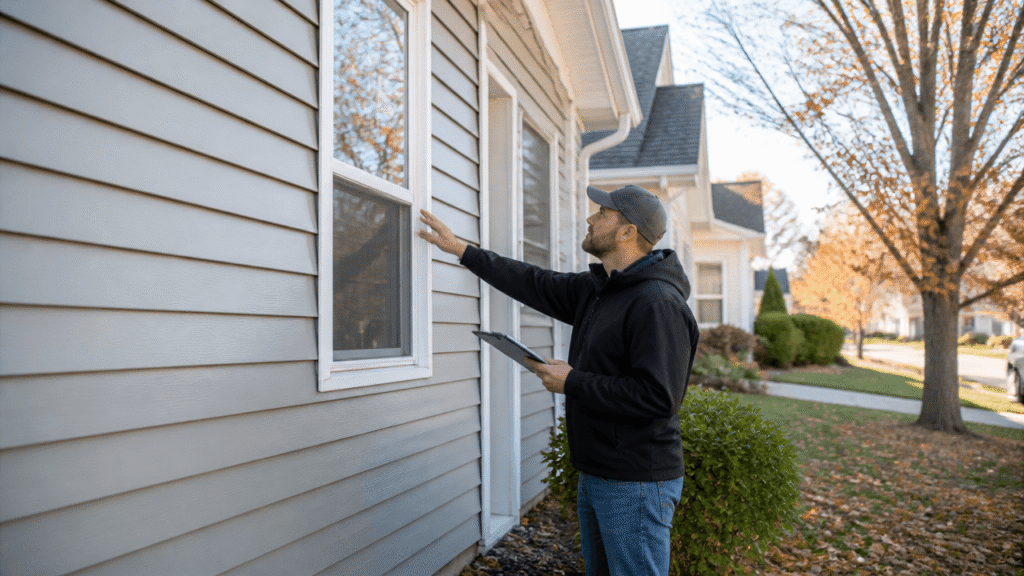
Drafts felt near windows and doors signal that conditioned air is escaping your home. Similarly, if certain areas in your house seem perpetually dusty or if allergy symptoms spike within the confines of your walls, it could indicate poor ventilation and filtration systems at play. When your HVAC seems to run incessantly without truly regulating the indoor climate, it’s a telltale sign that your home’s insulation and airflow mechanisms need scrutiny.
It’s essential to start with an assessment as recommended in Step 1: Assess Your Home’s Current Energy Efficiency. Look for the obvious signs: uneven insulation, drafts around windows, doors, and even electrical outlets. An unnoticed gap or a missing seal can significantly impact your energy consumption and the effectiveness of your HVAC unit. Taking action on these signs early in the season not only prepares your home for summer but also contributes to long-term savings and improved comfort.
Sealing the Envelope: The First Step to Enhanced Energy Efficiency
Once you’ve noticed that your energy bills are higher than usual or that the comfort level in your home has decreased, it’s time to act. Sealing leaks and drafts as indicated in Step 2: Seal Up Leaks and Drafts is a fundamental and cost-effective way to improve your home’s envelope. Every unsealed nook and cranny is an escape route for conditioned air, which not only strains your HVAC system but also compromises the overall efficiency. Common leak sources are around windows, doors, and even where utilities enter the home, so giving these areas your immediate attention can lead to significant improvements in energy consumption.
Upgrading Insulation: A Smart Investment for Comfort and Savings
The insulation in your Tulsa home plays a pivotal role in maintaining consistent indoor temperatures and is an integral focus of Step 3: Upgrade Insulation. If your house is older or has outdated insulation, upgrading to modern, more efficient materials can prevent heat transfer, keeping your home warm in the winter and cool in the summer. High-quality insulation does not just reduce the burden on your heating and cooling systems; it also contributes to a quieter and more peaceful living environment. Remember, when choosing insulation materials, it’s crucial to consider factors such as R-value and the specific needs of different spaces in your home.
For a comprehensive look into improving your home’s energy efficiency and airflow, consulting with certified professionals offers the best return on investment. Companies like Shamrock Roofing possess the expertise to advise you on the right steps, ensuring that every effort you make towards energy efficiency is effective and beneficial in the long-term.
Step 1: Assess Your Home’s Current Energy Efficiency
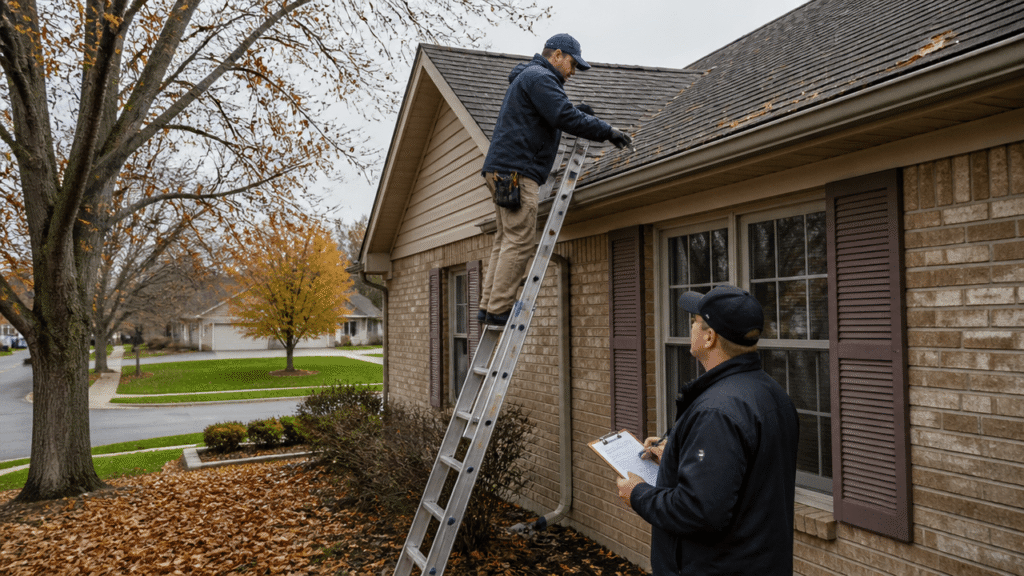
Start by evaluating your home’s current state of insulation and ventilation. Look for any obvious drafts, areas where insulation might be lacking, or rooms that are particularly hot or cold.
Step 2: Seal Up Leaks and Drafts
Identify and seal leaks around windows, doors, and other openings. Use weather-stripping or caulking to ensure that the warm or cool air stays inside.
Step 3: Upgrade Insulation
Research the best types of insulation for your Tulsa home, considering materials that are known for high energy efficiency. Focus on key areas such as the attic, walls, and floors.
Step 4: Optimize Window Efficiency
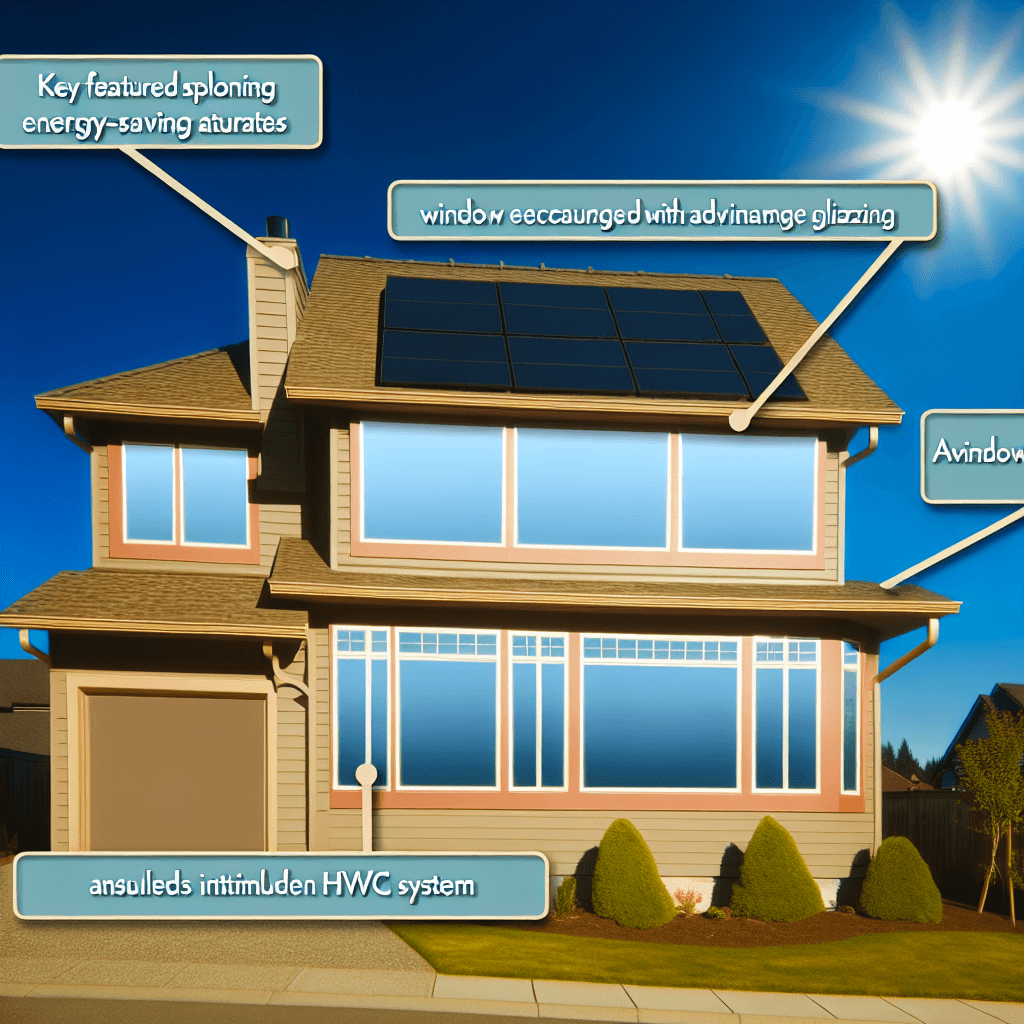
Consider installing energy-efficient windows or using window treatments to reduce heat loss in winter and heat gain in summer, thus enhancing overall airflow without overworking your HVAC system.
Step 5: Install Energy-Efficient Lighting
Replace old bulbs with LED lights which use less energy and produce less heat, complementing your home’s airflow and efficiency.
Step 6: Utilize Smart Thermostats
Install a smart thermostat that can adapt to your schedule and maintain efficient temperature control with minimal energy waste.
Step 7: Maintain or Upgrade HVAC System
Regular maintenance of your HVAC system can improve its efficiency. Consider upgrades to energy-efficient models that can offer better airflow and temperature control.
Step 8: Consult with Professionals
For personalized advice, schedule an energy audit with a Tulsa professional or reach out to experts like Shamrock Roofing who can help you optimize your home’s energy efficiency and airflow.
Missteps in the March Towards Efficiency: Common DIY Errors
As you embark on improving your Tulsa home’s energy efficiency and airflow, being aware of common DIY pitfalls is just as crucial as following the prescribed steps. Many enthusiastic homeowners dive into efficiency projects only to encounter setbacks due to simple oversights. To help you steer clear of these missteps, we’ve complied a concise list of frequent mistakes that can hamper your energy-saving efforts and ways to avoid them.
Mistake 1: Ignoring the Attic
Many homeowners focus on visible areas and forget that attics are often the primary source of energy loss. Failing to properly insulate this space can lead to significant inefficiencies. Ensure that your attic is well-insulated, as it is one of the most effective spaces to target for maintaining a consistent indoor temperature.
Mistake 2: Choosing the Wrong Insulation Type
Selecting insulation without understanding the specific needs of your climate can result in subpar performance. Tulsa’s varied weather requires insulation that can adapt to both hot and cold extremes. Research and choose insulation with the appropriate R-value for the area and for the specific part of the house where it will be installed.
Mistake 3: Poor Caulking and Weather-Stripping Application
Simply applying sealant without proper technique will not ensure a secure barrier against drafts. Incorrect application can result in gaps that still allow air to pass through. Invest time in learning the right techniques for caulking and weather-stripping, or consult with professionals if you’re not confident in your skill level.
Mistake 4: Overlooking Window Quality
Installing new window treatments without addressing the efficiency of the windows themselves is a common oversight. Not all windows contribute to better energy efficiency and airflow, so consider the upgrade to double or triple-paned windows. This is particularly important if your current windows are single-pane or if they are old and leaky.
Mistake 5: Incorrect Thermostat Placement
Placing your smart thermostat near heat sources, such as sunlight or kitchen appliances, can lead to inaccurate readings and overworking your HVAC system. The thermostat should be installed on an interior wall, away from direct sunlight, drafts, and doorways. Such placement ensures it accurately gauges the temperature of your home for optimal energy use.
These common errors can be easily avoided with a bit of research and preparation. Remember, there’s no downfall in seeking expert advice—in many cases, consulting with professionals like Shamrock Roofing can save time, money, and ensure stellar results in your pursuit of an energy-efficient and well-ventilated home.
Windows and Lighting: Keys to Efficiency
Installing energy-efficient windows is a pivotal Step 4: Optimize Window Efficiency in improving your home environment. They not only enhance airflow but also prevent heat gain during Tulsa’s warm months and heat loss during the chilly season. This can be complemented by choosing the right window treatments, like thermal curtains, which increase efficiency without sacrificing style.
Energy-Saving Lighting: A Bright Idea
The move to energy-saving lighting, as suggested in Step 5: Install Energy-Efficient Lighting, can provide immediate benefits to your home’s energy profile. Swapping out incandescent bulbs for LED alternatives reduces overall heat output, aiding your efforts to maintain a stable and comfortable airflow. It’s a small change that can have a lasting impact on your energy bills and your home’s temperature regulation.
For expert guidance on maximizing your home’s energy potential, consider reaching out to the professionals at Shamrock Roofing who can provide tailored solutions.