• Know the first steps to take after storm damage, including safety checks, photos, and quick roof inspection.
• Learn how the storm damage restoration process for homeowners helps protect your home from leaks, hidden damage, and delays.
• Avoid common DIY mistakes and see how fast action can make insurance claims and repairs easier to manage.
Why Fast Storm Repairs Matter
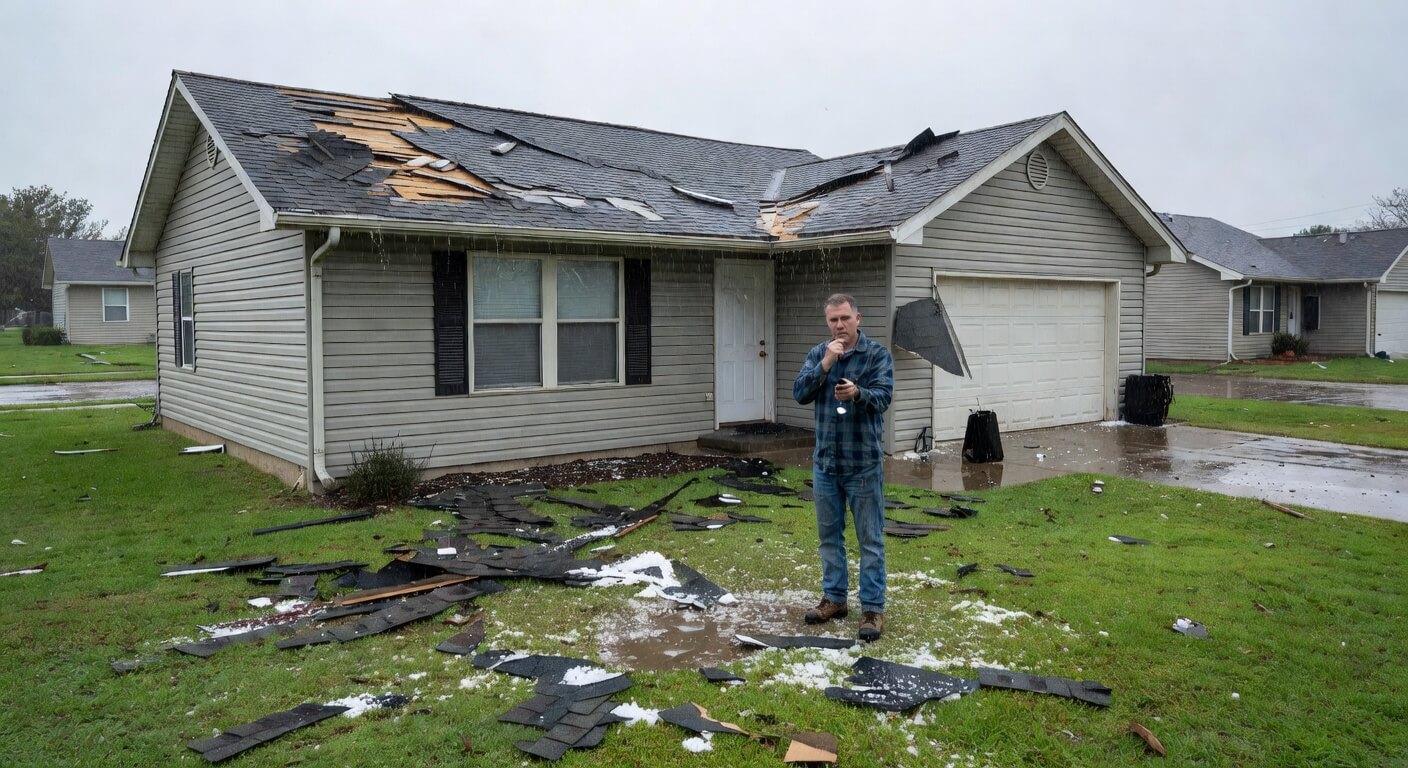
Spring storms in Sherman, TX can leave behind more than just a messy yard. Strong winds, heavy rain, and hail can all cause damage that is easy to miss at first. When that damage goes unchecked, it can turn into leaks, stains, and bigger repair costs later.
We know how stressful it feels when your home takes a hit from rough weather. The storm damage restoration process for homeowners starts with quick action, because even small issues can spread fast. If you wait too long, water can work its way into the roof deck, attic, and walls.
That is why we always tell homeowners to act early and stay alert after a storm. A careful response helps protect your home and gives you a better path forward. For homeowners who need a trusted local team, we are here to help when storm damage shows up without warning.
What the Restoration Process Includes
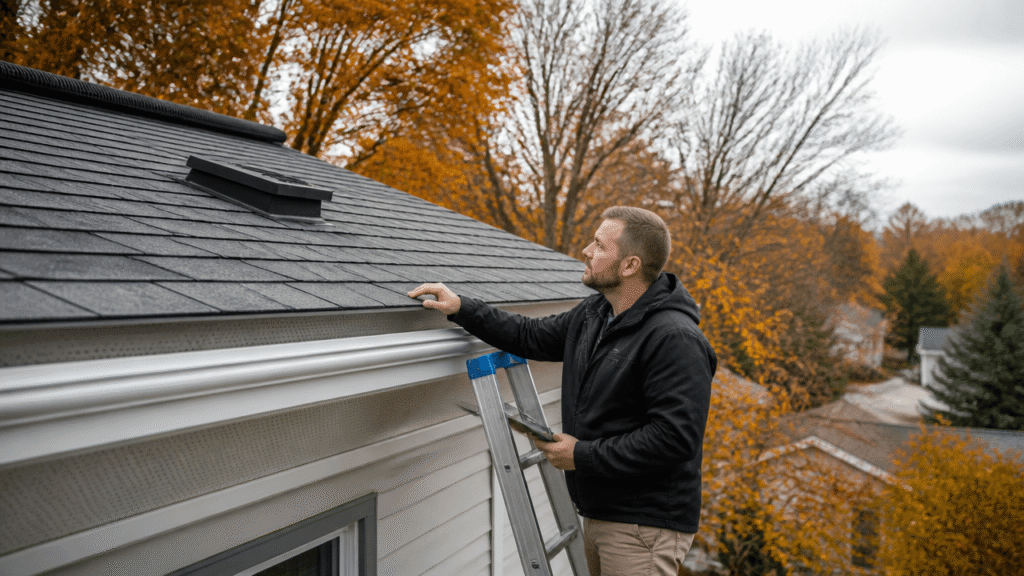
A proper response begins with checking the roof, gutters, siding, and any other exposed areas for signs of damage. Not every problem is obvious from the ground, so a close look helps catch bruised shingles, lifted edges, dented metal, and missing materials. This early review sets the direction for the rest of the repair work.
Next, we help document the damage so the homeowner has a clear record of what happened. That step matters because insurance claims often move more smoothly when the damage is shown with photos and notes from right after the storm. When the evidence is clear, it is easier to move from inspection to repair with fewer delays.
Step-by-Step Storm Recovery
🕵️ Step 1: Check for Safety Issues
Start by looking for signs of danger around the home, such as fallen branches, broken glass, or loose materials. If you see active leaks, avoid the area and keep clear of anything that could fall.
📸 Step 2: Document the Damage
Take clear photos of all visible damage from several angles. This creates a record of what the storm affected and helps support the next steps.
📞 Step 3: Contact a Roofing Professional
Schedule a roof inspection as soon as possible after the storm. A trained eye can spot damage that may not be easy to see from the ground.
📝 Step 4: Review the Findings
Go over the inspection results so you understand what needs repair. This step helps you separate cosmetic issues from damage that can affect the structure or lead to leaks.
🏠 Step 5: Protect Exposed Areas
If parts of the roof or exterior are open to weather, temporary protection may be needed. Quick action helps reduce the chance of water getting inside and causing more damage.
📂 Step 6: File the Insurance Claim
Submit your claim with the inspection details and photos. Clear records can help the process move faster and reduce confusion about what the storm damaged.
🔧 Step 7: Complete the Repairs
Once the claim is handled, repair the damaged areas right away. Fixing shingles, flashing, siding, or gutters early helps keep the home protected during more spring weather.
✅ Step 8: Finish with a Final Check
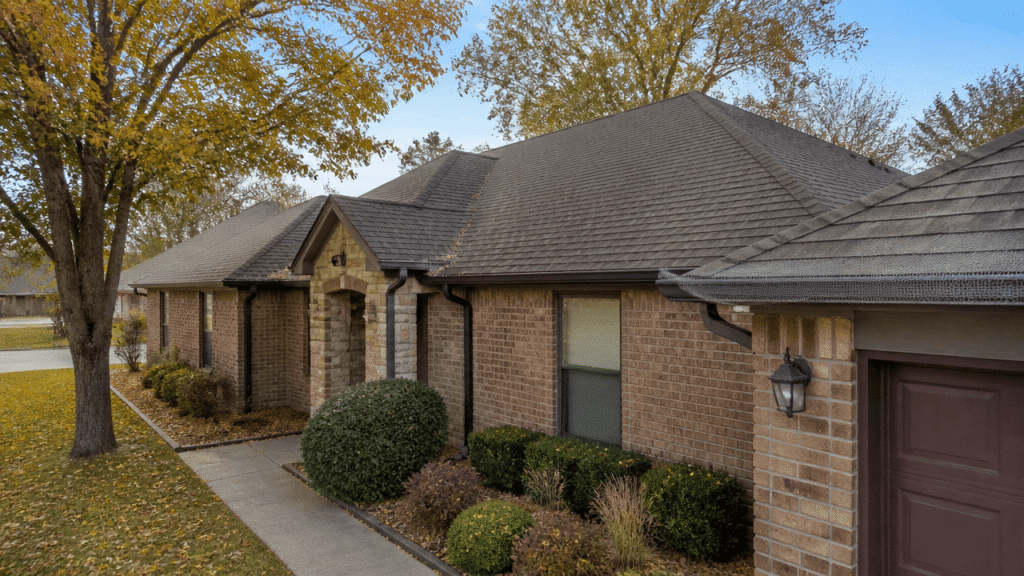
After repairs are done, inspect the home again to make sure everything is sealed and secure. This final review helps confirm that the storm damage has been properly addressed.
Mistakes That Slow Down Recovery
A lot of homeowners try to handle storm damage fast, but small mistakes can make the problem worse. These errors often happen because people focus only on the most obvious damage or wait too long to act. Knowing what to avoid can save time, money, and stress.
⚠️ Mistake 1: Waiting Too Long to Inspect
This happens when the damage does not look severe right away, so the homeowner puts off checking the home. Delays can allow water to spread into hidden areas and make repairs more involved. Prevent this by inspecting the home soon after the storm, even if everything looks fine at first.
⚠️ Mistake 2: Only Looking at the Ground Level
Many people check the yard and siding but forget to look higher up where roof damage often starts. This can happen because roof issues are harder to spot without getting close. Prevent it by having the roof, flashing, and gutters checked carefully.
⚠️ Mistake 3: Skipping Photos and Notes
Some homeowners rush into cleanup before recording what the storm did. That often leads to missing proof later when they need to show the damage clearly. Prevent this by taking photos before anything gets moved or repaired.
⚠️ Mistake 4: Making Temporary Fixes Without a Plan
This mistake happens when people cover damage quickly but do not follow through with a full repair process. Temporary patches can help for a short time, but they do not solve the root problem. Prevent it by using short-term protection only while you move into permanent repairs.
⚠️ Mistake 5: Delaying the Claim Process
Homeowners sometimes wait because they feel unsure about what to submit or whether the damage is serious enough. That can slow down the entire recovery timeline and create more stress if more weather arrives. Prevent this by starting the claim process soon after the inspection and keeping your records organized.
Frequently Asked Questions
What is the first thing homeowners should do after storm damage?
Yes, the first step is to check for safety issues and then document the damage. That helps protect the home and gives you a clear record for repairs and insurance claims.
How do I know if my roof has storm damage?
Yes, signs can include missing shingles, lifted edges, dents, bruising, or leaks inside the home. The storm damage restoration process for homeowners usually starts with a roof inspection because damage is not always visible from the ground.
Should I file an insurance claim right away?
Yes, you should start the claim process soon after you confirm the damage. Fast action helps keep the details fresh and gives the insurer clearer information to review.
Can small storm damage get worse over time?
Yes, even small damage can turn into a bigger issue if water gets in. Shingles, flashing, siding, and gutters all work together, so one weak spot can lead to more trouble later.
Do I need a professional inspection after a storm?
Yes, a professional inspection is the safest way to find hidden damage. Many storm-related problems are not easy to see, and a trained roofing team can spot issues before they spread.
Bringing It All Together
Storm damage can create fast-moving problems, especially in Sherman, TX during spring weather. A careful response helps homeowners protect their property, reduce stress, and move through repairs with more confidence. The key is to act early, stay organized, and follow each step in order.
We believe the best results come from clear inspections, honest records, and timely repairs. When you take the storm damage restoration process for homeowners seriously, you give your home a better chance to recover the right way. To stay connected with our latest updates, follow us on Facebook.