Roof replacement cost is driven mostly by roof size, the material you choose, and labor, plus factors like roof pitch, tearing off the old roof, the number of existing layers, and permits. Asphalt shingles are the most affordable; metal, tile, and slate cost more but last longer. Because every roof is different, online averages only get you so far. The accurate number comes from a professional inspection and a written estimate. Below is a breakdown of every factor that moves the price.
Why roof replacement cost varies so much
If you have searched “how much does a new roof cost,” you have probably seen wildly different numbers. That is because a roof is not a one-size product. Two houses on the same street can have very different roofing bills depending on size, slope, materials, and what is hiding under the old shingles.
Understanding what drives the cost helps you read an estimate, compare bids fairly, and avoid surprises. Here are the factors that matter most, roughly in order of how much they move the price.
The main factors that drive roof replacement cost
1. Roof size
Size is the single biggest cost driver. Roofing is priced by the square (a 10-by-10 foot area, or 100 square feet), so the more roof you have, the more material and labor it takes. A large home simply costs more to re-roof than a small one, even with the same shingle.
One thing that surprises homeowners: roof size is not the same as house square footage. A single-story ranch can have more roof than a two-story home of the same living area, because the footprint is spread out.
2. Roofing material
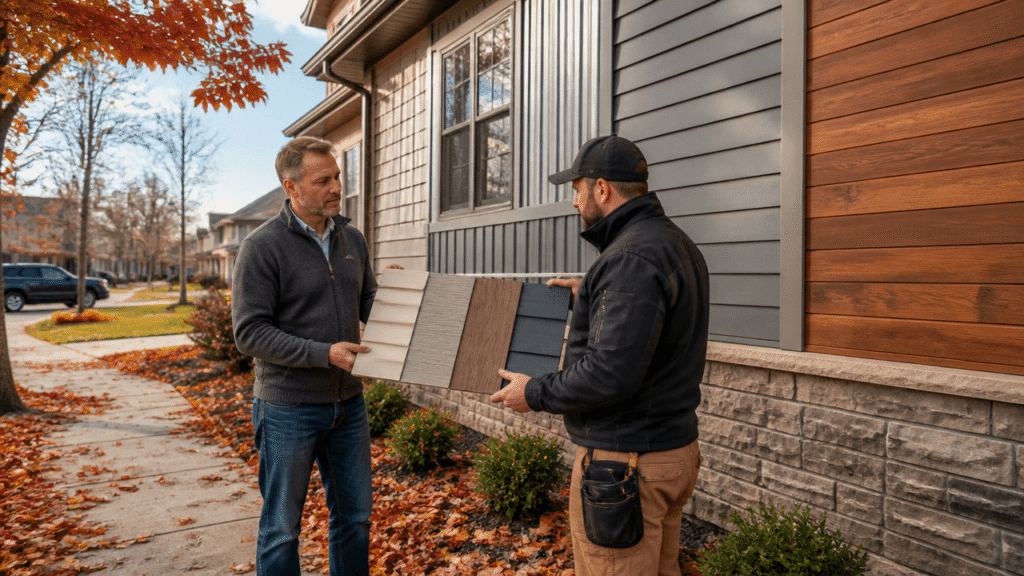
The material you choose has a huge effect on price. From most affordable to most premium:
- Asphalt shingles are the most budget-friendly and the most common.
- Wood shakes and metal sit in the mid-to-higher range, with metal lasting far longer.
- Tile and slate are the most expensive, both for materials and the specialized labor and structural support they require.
Material also affects long-term value. A cheaper roof you replace sooner can cost more over time than a durable one you install once. For a full breakdown, see our guide to the types of roofing materials, or our comparison of metal roof vs shingles.
3. Tearing off the old roof
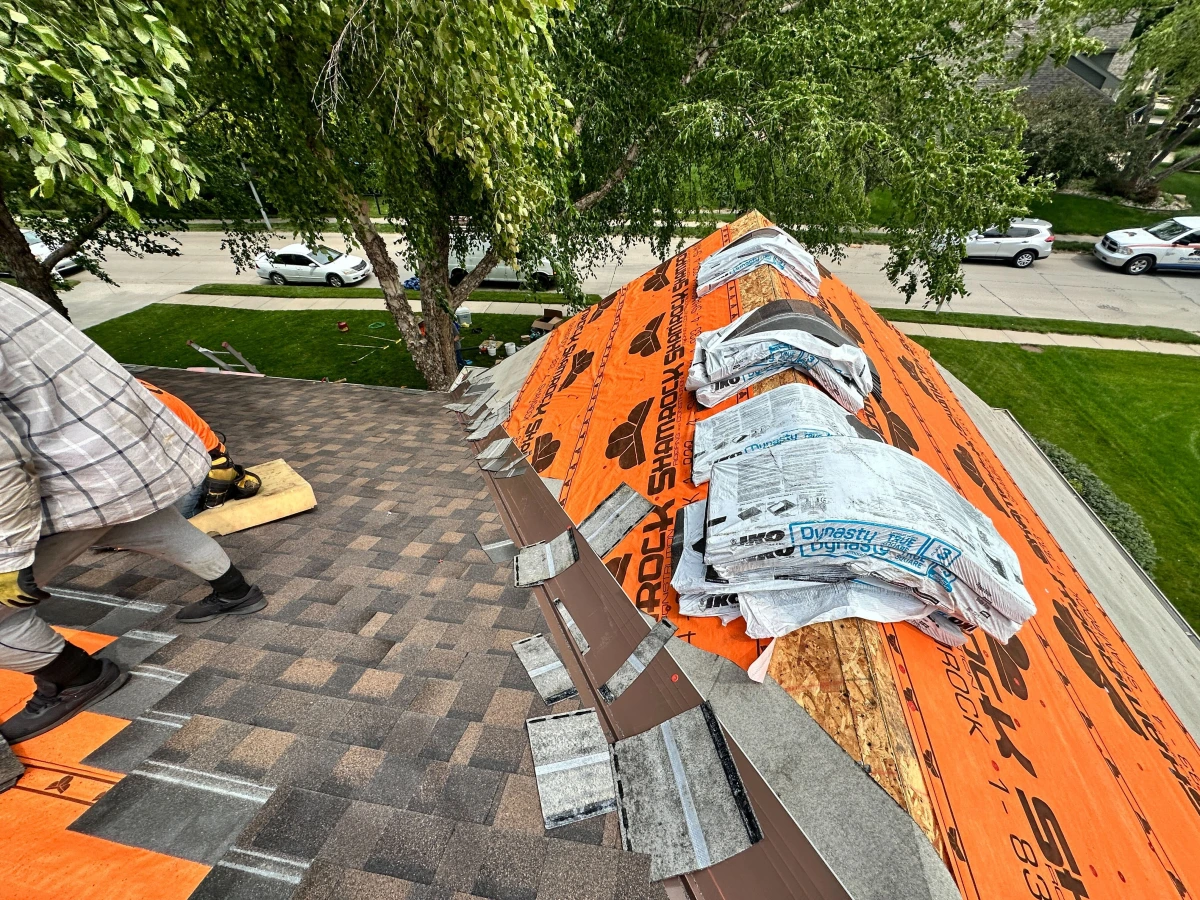
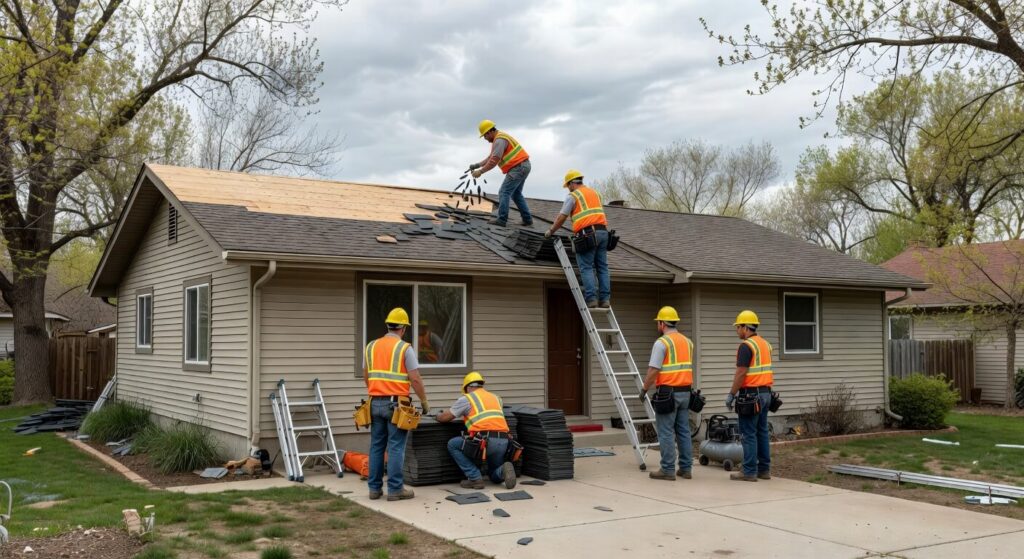
Removing and disposing of your existing roof adds labor and dump fees to the job. The cost goes up if you have multiple existing layers to strip, or if the crew finds problems once the old roof is off.
4. Roof pitch and complexity
A steep roof is harder and slower (and less safe) to work on, which raises labor costs. So does complexity: lots of valleys, hips, dormers, chimneys, and skylights all mean more cuts, more flashing, and more time. A simple gable roof is cheaper to replace than a cut-up roof with many angles.
5. Underlying damage and decking
Once the old roof comes off, the crew can see the decking underneath. If there is rotted or water-damaged wood, it has to be replaced before the new roof goes on, which adds cost. This is hard to know for certain until the tear-off, which is why a thorough inspection matters.
6. Labor and your location
Labor is a major part of any roofing bill, and rates vary by market and by the experience of the crew. A correctly installed roof from an experienced, insured contractor is worth more than the cheapest bid, since poor installation leads to leaks and can void your warranty.
7. Extras: flashing, ventilation, gutters, and permits
A roof is a system. The final price can include new flashing, drip edge, underlayment, ridge vents or other ventilation, and sometimes gutters. Local permits and inspection fees also vary by city and county and get folded into the total.
What about a ballpark number?
Homeowners always want a range, so here is an honest one: most residential roof replacements in our Midwest markets fall somewhere between $8,000 and $25,000, depending on all the factors above. Asphalt jobs land toward the lower end; large, steep, or premium-material roofs run higher.
Treat that as a starting point, not a quote. The only way to get a real number for your roof is an inspection. For a market-specific example, our guide on roof replacement cost in Overland Park walks through how these factors play out for one city.
How to get an accurate roof replacement quote
To get a number you can actually plan around:
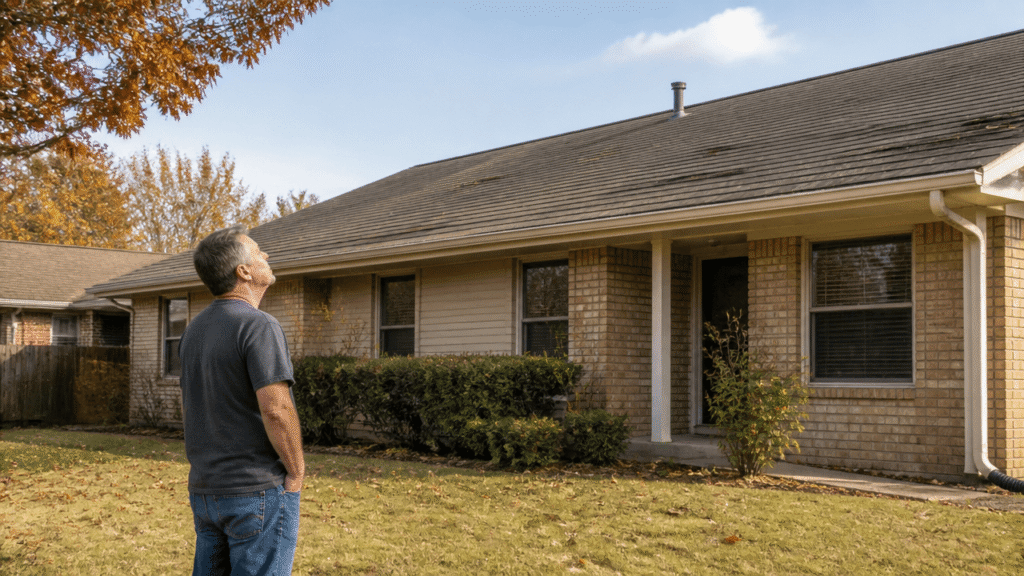
- Get a professional inspection. A roofer measures the roof, checks the pitch and layers, and looks for damage that affects the price.
- Get a detailed written estimate, not a number scribbled on a business card. It should itemize materials, tear-off, labor, and extras.
- Compare bids on equal terms. Make sure each quote covers the same material grade and scope before you compare prices.
- Ask about financing. A new roof is a big expense, and you do not always have to pay it all upfront. Shamrock offers financing options to spread the cost.
Repair or replace?
Not every roof problem calls for a full replacement. If the damage is limited and the roof is otherwise sound, a roof repair may be the smarter spend. But if your roof is near the end of its life, has widespread damage, or keeps needing repairs, a full replacement usually saves money over time. An inspection is the best way to know which makes sense for you.
Get a clear, honest estimate from Shamrock
Shamrock has replaced roofs across the Midwest since 1977. We will inspect your roof, explain exactly what is driving your price, and give you a clear written estimate, no pressure and no surprises. We are certified by manufacturers including Owens Corning, GAF, and CertainTeed, and we stand behind our work.
Ready for a real number? Book your free roof inspection or visit our roof replacement page to learn more. You can also call (913) 850-6556.
FAQs
What is the biggest factor in roof replacement cost?
Roof size is the single biggest driver, since roofing is priced by the square. After that, the material you choose and labor have the largest effect on the total.
How much does a new roof cost?
It varies widely by roof size, material, pitch, and condition. Most residential roof replacements in the Midwest fall roughly between $8,000 and $25,000, but only an inspection gives you an accurate number for your roof.
Does tearing off the old roof add to the cost?
Yes. Removing and disposing of the old roof adds labor and dump fees, and the cost rises if there are multiple existing layers or hidden damage to the decking underneath.
Why are some roofing quotes so much cheaper than others?
Often because they use a lower-grade material, leave out parts of the scope (like tear-off or flashing), or cut corners on labor. Always compare quotes on the same materials and scope, and be cautious of bids far below the rest.
Is it cheaper to repair or replace a roof?
A repair costs less up front and makes sense for limited damage on a sound roof. But for an old roof, widespread damage, or repeated repairs, a full replacement usually costs less over time. An inspection helps you decide.
Does roof pitch affect the price?
Yes. Steep and complex roofs take more time, labor, and safety measures to work on, which raises the cost compared to a simple, low-slope roof of the same size.