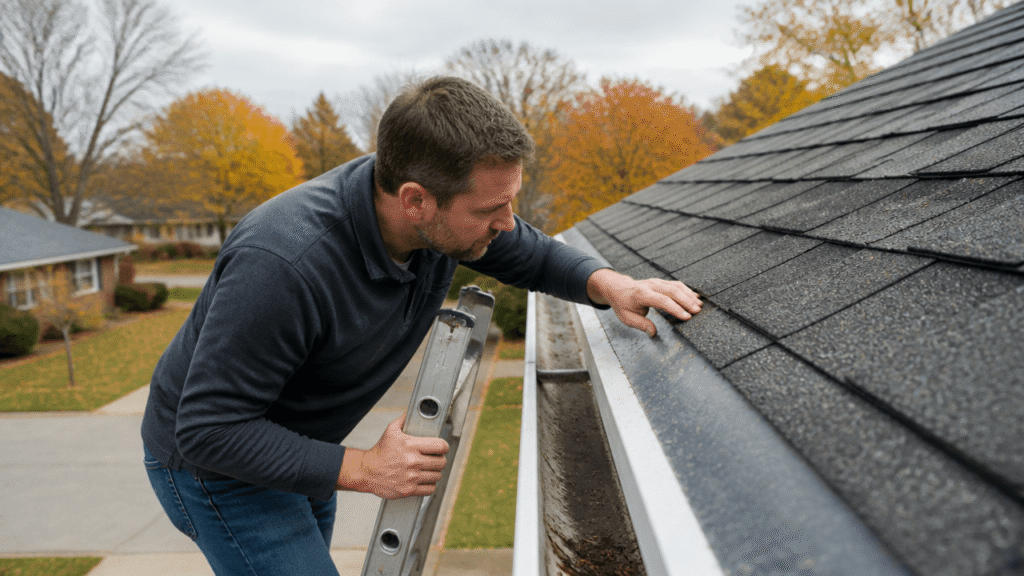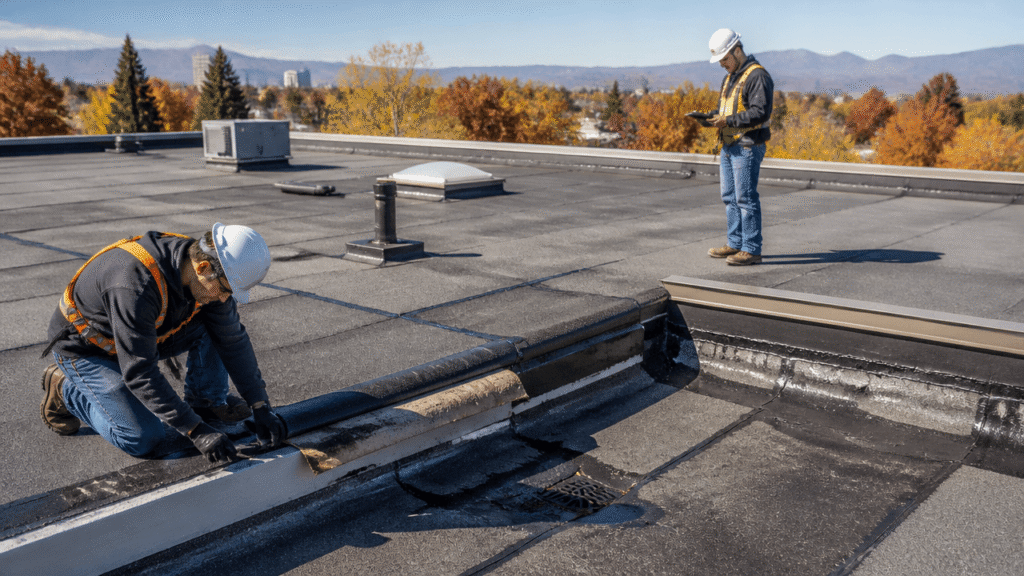
• Houston TPO roofs need early attention in late summer because heat, storms, and humidity can speed up wear before fall weather arrives.
• Regular checks for seam gaps, drainage issues, punctures, and flashing damage can help prevent leaks and keep the roof performing longer.
• Simple maintenance steps like cleaning debris, clearing drains, and watching for storm damage make it easier to catch problems before they grow.
Why August Is the Right Time
August heat in Houston can be hard on a TPO roof, and small issues often get worse fast. When the weather stays hot and storms roll through, weak spots can turn into bigger problems before fall arrives. That is why TPO roofing maintenance before fall season matters so much for property owners who want to stay ahead of damage.
Our team knows that a roof can look fine from the ground while trouble is building on the surface. Dirt, pooled water, loose seams, and worn flashing can all shorten the life of a TPO system if they are ignored. If we handle these concerns now, we can help reduce the chance of costly repairs later.
Houston weather does not give roofs much breathing room, especially during late summer. Sudden rain, heavy sun, and high humidity can all work against the membrane and its seams. For more help with roof care, we encourage property owners to visit our commercial roofing services page and see how we support local buildings year-round.
How We Protect TPO Roofs
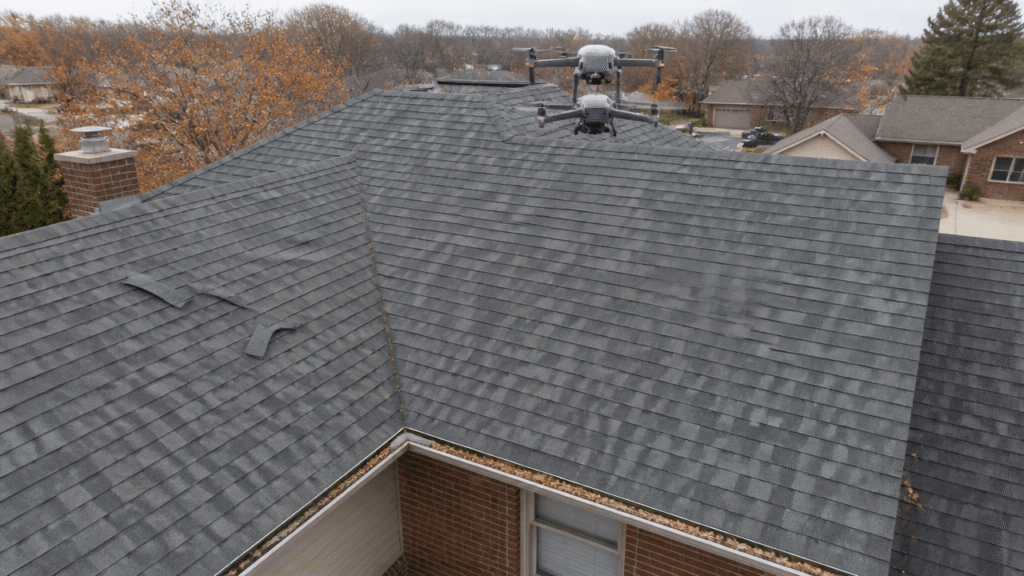
A good maintenance plan starts with a close look at the entire roof surface. We check seams, edges, drainage areas, and rooftop equipment because those are common places where wear shows up first. This kind of care gives us a better chance to catch problems before the weather changes.
Cleaning also plays a big role in roof care because leaves, dirt, and other buildup can block water flow. When drainage slows down, water can sit in the wrong places and put stress on the membrane. We also watch for punctures, lifted material, and seal issues since those small signs can point to larger trouble ahead.
The best time to act is before fall storms create more pressure on the system. Regular attention helps keep a TPO roof ready for the season and can support better long-term performance. With TPO roofing maintenance before fall season, we give Houston property owners a smart way to stay prepared.
Tips from the Pros
🔎 Tip 1: Check the roof surface carefully
Look for cracks, bubbles, punctures, and loose seams across the membrane. Even small damage can let water in and lead to bigger issues during stormy weather.
💧 Tip 2: Keep drains and scuppers clear
Make sure water can move off the roof without delay. Clogged drains can cause standing water, which adds stress to the roof surface and nearby seams.
🧽 Tip 3: Remove dirt and loose debris
Leaves, grit, and trash can hold moisture and block drainage paths. A clean roof is easier to inspect and less likely to develop hidden trouble.
🌡️ Tip 4: Watch for heat-related wear
Houston sun can take a toll on roofing materials over time. Check for areas where the membrane looks worn, faded, or lifted from the surface.
🛠️ Tip 5: Inspect flashing and edge details
Flashing helps protect weak points around joints, vents, and roof edges. If these areas are loose or damaged, water can get in faster than many people expect.
📋 Tip 6: Review the roof after strong storms
Heavy rain and wind can shift materials or expose problem spots. A quick post-storm check can help catch issues while they are still small.
👣 Tip 7: Limit foot traffic on the roof
Too much walking on the membrane can create avoidable wear or punctures. If roof access is needed, it should be handled with care and with the right tools.
🕒 Tip 8: Schedule maintenance before fall weather changes
Late summer is a smart time to handle TPO roofing maintenance before fall season. Getting ahead of seasonal weather helps reduce surprise repairs and keeps the roof ready for heavier rain.
Frequently Asked Questions
Why is TPO roofing maintenance before fall season important?
Yes, it is important because summer wear can turn into fall roofing problems if it is ignored. Heat, rain, and debris can all affect the membrane, seams, and drainage system.
How often should a TPO roof be inspected?
Yes, a TPO roof should be inspected at least twice a year and after major storms. Regular checks help spot small issues before they become expensive repairs.
What are the most common TPO roof problems?
Yes, the most common problems include seam gaps, punctures, ponding water, and flashing wear. These issues often start small but can spread if the roof is not maintained.
Can Houston weather affect a TPO roof quickly?
Yes, Houston weather can affect a TPO roof quickly because heat, humidity, and storms all add stress. That is why TPO roofing maintenance before fall season is a smart step for local property owners.
What should we look for during a roof check?
Yes, we should look for membrane damage, blocked drains, loose seams, and worn flashing. These are some of the clearest signs that a roof needs attention soon.
Ready for Fall Roofing Care
TPO roofs need steady care, especially when summer heat is still strong and fall weather is getting closer. Small problems can grow fast, so early action is the best way to stay ahead of leaks and surface damage.
We help Houston property owners protect their roofs with practical maintenance that fits the season and the climate. If you want to stay connected with our team, follow us on Facebook.