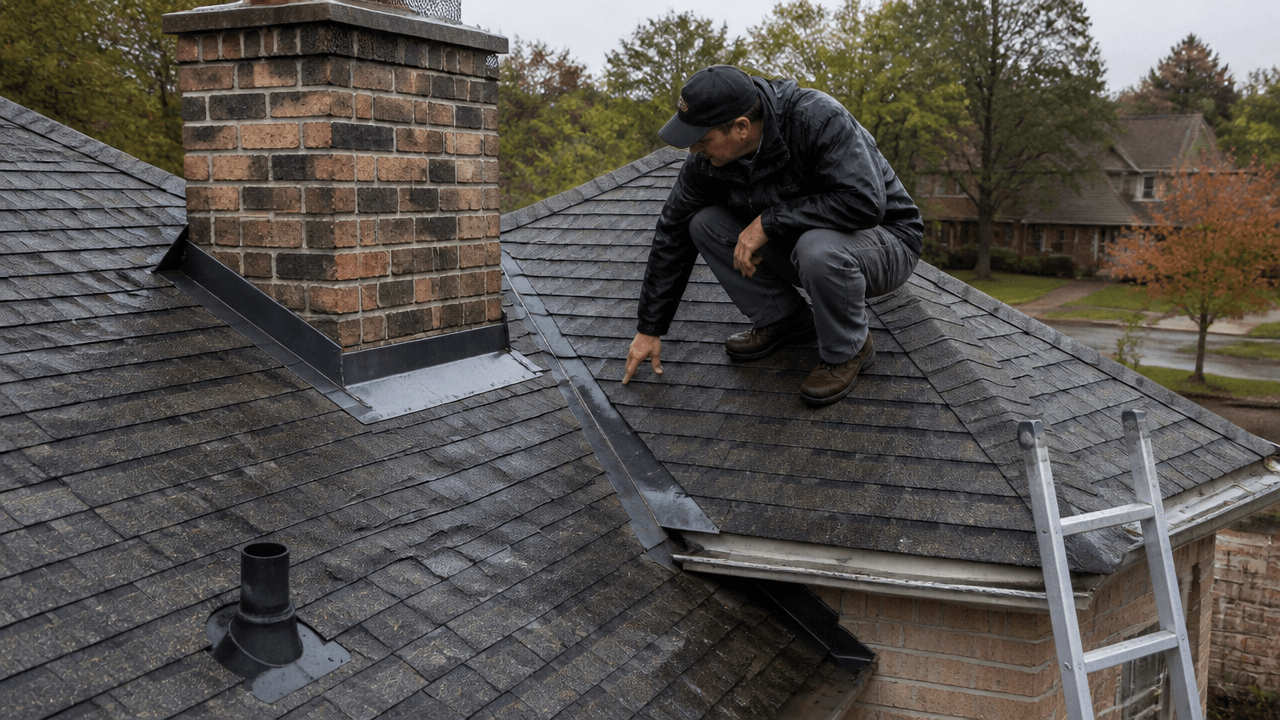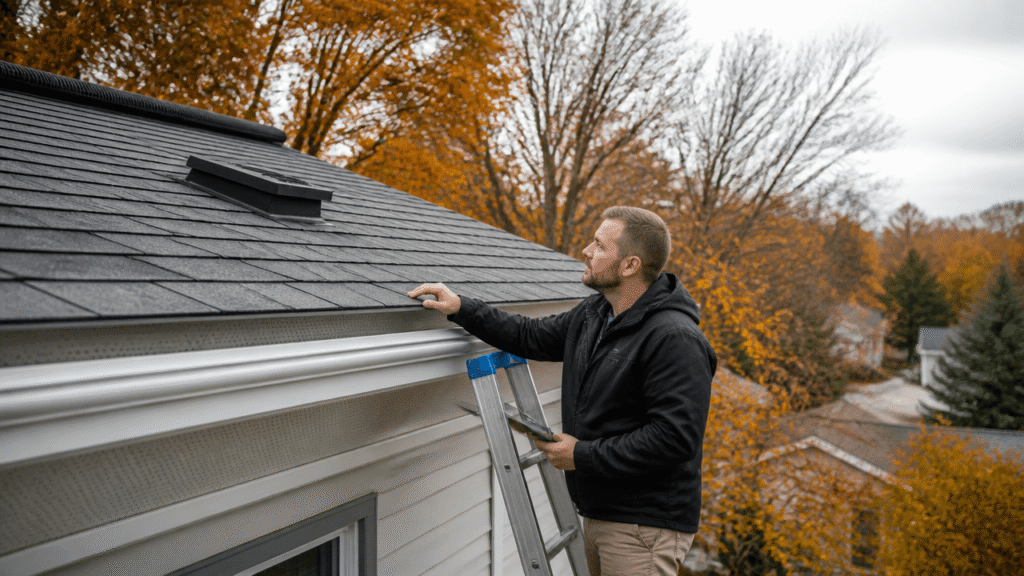
• Learn the main roof flashing types and why they matter for stopping leaks before they start.
• Use a simple checklist to inspect the most common flashing problem areas around vents, chimneys, skylights, and valleys.
• Get practical advice for protecting your roof in Houston weather and knowing when it is time to call a roofer.
Why Knowing Roof Flashing Types Matters
The goal is to help homeowners understand roof flashing types so they can spot weak points before water gets in. In Houston, TX, fall weather can bring heavy rain, so knowing where flashing protects your roof matters a lot.
Different roof flashing types work around chimneys, vents, skylights, and valleys to keep these areas sealed. If you want help checking your roof before trouble starts, see our roof replacement services for more support.
When flashing is in good shape, it helps stop leaks and protects the roof deck from moisture damage. A simple review of these areas now can save time, stress, and repair costs later.

Roof Flashing Checklist for Leak Prevention
This checklist helps you take a close look at the areas where water often gets in first. A quick review of roof flashing types can make it easier to catch trouble before it turns into a leak.
- ✅ Check the flashing around chimneys for gaps or lifted edges
- ✅ Look at vent flashing for cracks, rust, or worn sealant
- ✅ Inspect skylight flashing for loose corners or water stains
- ✅ Review valley flashing for signs of pooling or debris buildup
- ✅ Make sure step flashing is tucked in tightly along wall lines
- ✅ Watch for missing nails or fasteners near flashing edges
- ✅ Check for any sealant that looks dry, cracked, or peeling
- ✅ Schedule a roof inspection after heavy rain or strong wind
Use this checklist often so small issues do not turn into larger water problems. In a rainy place like Houston, staying ahead of roof wear is one of the best ways to protect your home.
If you notice damage or aging materials, have a roofer take a closer look before the next storm arrives. A fast response can help keep your roof stronger and your home better protected.
Additional Advice
Pay close attention to how water moves across the roof, especially after heavy rain. Even small weak spots around roof flashing types can let moisture slip into areas that are hard to see right away.
One common mistake is assuming a roof looks fine just because there is no active leak. Flashing damage often starts small, so it is smart to watch for rust, shifting pieces, and worn sealant before they spread.
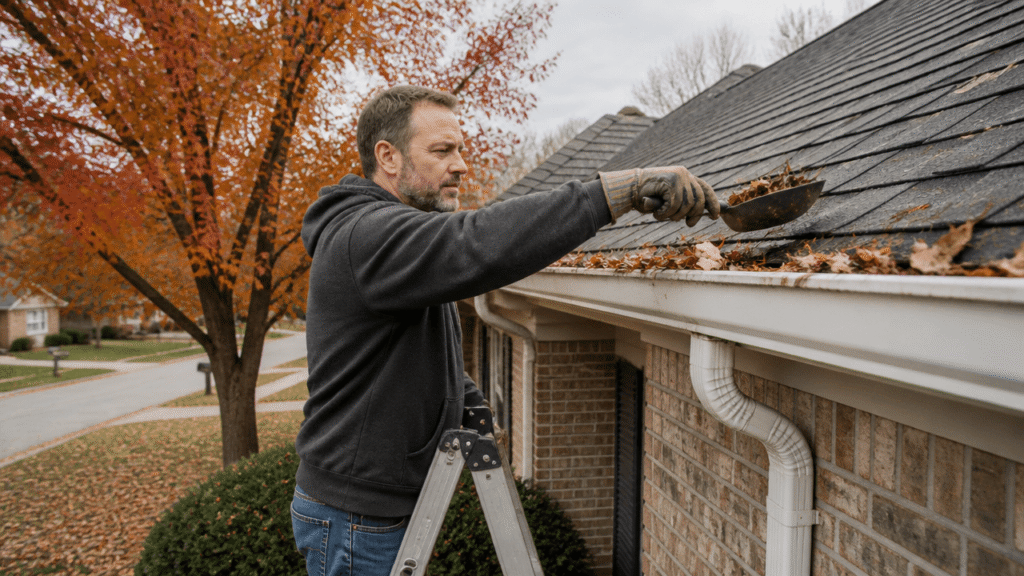
It also helps to keep gutters clear so water does not back up near flashing areas. If you need help from a local team, our gutter installation services can support better drainage and roof protection.
For the best results, have a trained roofer inspect flashing during seasonal maintenance and after strong weather. That gives you a better chance to catch problems early and keep your roof ready for the next storm.
Frequently Asked Questions
What are the main roof flashing types?
Roof flashing types include step flashing, chimney flashing, vent flashing, valley flashing, and skylight flashing. Each one is made to seal a different area where water can enter a roof.
Why is roof flashing important?
Roof flashing is important because it helps direct water away from joints and openings. It protects the roof from leaks in the places most likely to fail first.
How do I know if my flashing is damaged?
You can tell flashing may be damaged if you see rust, cracks, loose edges, or water stains inside the home. Those signs often mean moisture is getting past the seal.
Can roof flashing be repaired, or does it need replacement?
Yes, roof flashing can often be repaired if the damage is minor. If the metal is badly rusted, bent, or separated from the roof, replacement is usually the better choice.
How often should roof flashing be checked?
Roof flashing should be checked at least once a year and after major storms. Regular checks help catch small issues before they turn into larger leaks.
Final Thoughts on Roof Flashing Care
Keeping an eye on roof flashing types is one of the simplest ways to protect a roof from leaks. Small problems around these details can grow fast, especially during Houston’s wetter months.
A regular checkup, timely repair, and good drainage all work together to keep your roof in better shape. For more updates and roofing insight, follow us on social media.