Updated June 09, 2026
When heavy snow piles up on your roof, it adds serious weight and sets the stage for ice dams, the frozen ridges along your eaves that force melting water back under your shingles and into your home. A roof rake is the simplest, safest tool for clearing that snow from the ground, before it becomes a problem.
But not all roof rakes are built the same. This guide covers what to look for in the best roof rake for snow, how to use one safely, and how clearing snow helps you avoid costly ice-dam damage. Shamrock has helped Midwest homeowners protect their roofs through hard winters since 1977.
Quick answer: The best roof rake for snow has an adjustable aluminum pole (typically 14–22 ft), a lightweight non-metal or rubber-guarded head that won’t scratch shingles, and a manageable overall weight. Use it from the ground, never from a ladder or the roof itself.
What a roof rake does (and why it matters)
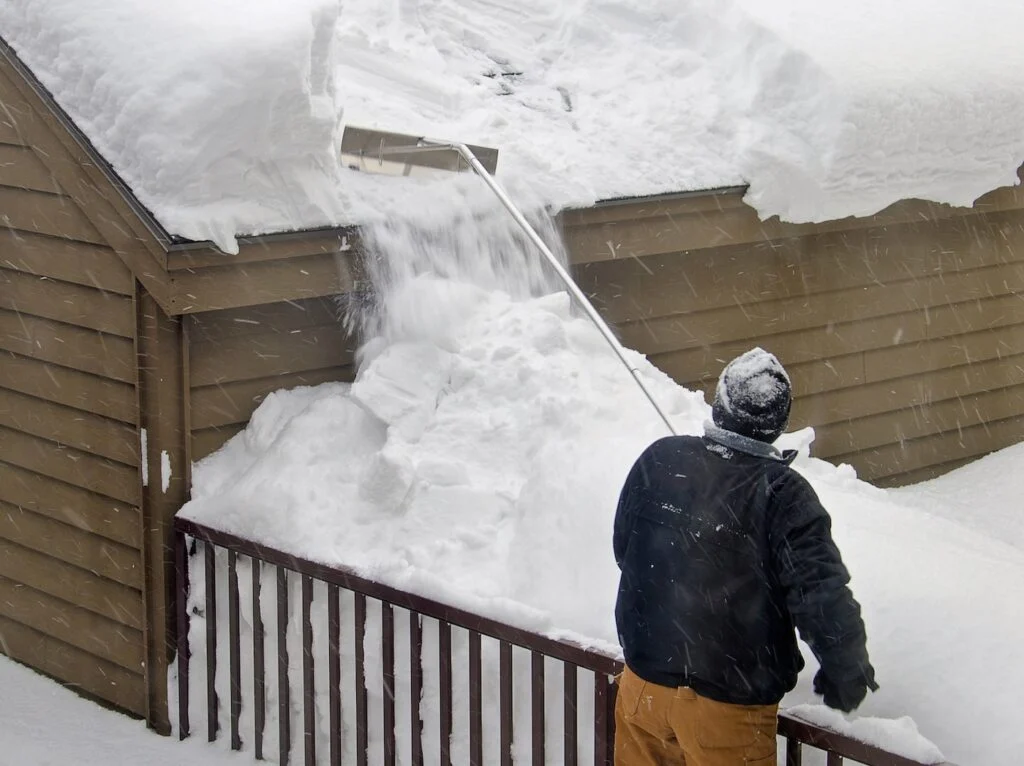
A roof rake is a long-handled tool that lets you pull snow off your roof while standing safely on the ground. Clearing snow matters for two reasons:
- It reduces structural load. Wet, heavy snow is far heavier than it looks, and too much strains your roof.
- It helps prevent ice dams. Removing snow from the lower few feet of roof, the eaves, stops the melt-refreeze cycle that creates ice dams and leaks.
What to look for in the best roof rake for snow
1. Pole length and adjustability
The pole determines how much of your roof you can safely reach. Look for an adjustable telescoping pole, most extend from about 14 to 22 feet for use and collapse under 8 feet for storage. Match the reach to your roof’s height and style.
2. Material
Aluminum is the sweet spot for the pole: strong but lightweight. For the head, avoid bare metal, it can gouge shingles. Choose heavy-duty plastic, molded polyethylene, or a head with rubber guards and rollers/bumpers that hold the blade just off the surface to protect your shingles.
3. Head design and rollers
Many quality rakes include small wheels or rollers that keep the head slightly above the roof so you clear snow without scraping the shingles. This is one of the most shingle-friendly features to look for.
4. A versatile handle
Some rakes have a slight bend in the handle that lets you pull snow both vertically and horizontally with less effort, handy on most residential roofs.
5. Weight
Roof rakes run from about 4 to 14 pounds, with most of the weight in the head. A heavier head pulls more snow per stroke but takes more strength to control. Pick one light enough that you can handle it safely for the whole job.
How to use a roof rake safely
Snow removal causes plenty of winter injuries, so safety first:
- Always work from the ground. Never use a roof rake from a ladder or while standing on the roof.
- Stand to the side, not directly under falling snow.
- Watch for power lines before extending a metal pole.
- Focus on the eaves, clearing the bottom 3–4 feet of roof does the most to prevent ice dams; you don’t need to clear the whole roof.
- Work in layers, pulling snow down gradually rather than yanking large heavy loads.
- Know your limit. If the roof is high, steep, or the snow is deep and icy, stop and call a professional.
Roof rakes and ice dams: the real reason to clear snow
Ice dams are the bigger danger behind all that snow. When heat escaping your attic melts snow higher up the roof, the water runs down and refreezes at the cold eaves, building a dam of ice. Water then pools behind it and works its way under your shingles, causing leaks, soaked insulation, and interior damage.
Raking the lower roof after a snowfall removes the snow that feeds this cycle. But a roof rake is prevention, not a cure. If you already see thick ice along your eaves, large icicles, or water stains on interior ceilings, don’t try to chip it off yourself, that can damage your roof and your gutters. That’s a job for a professional.
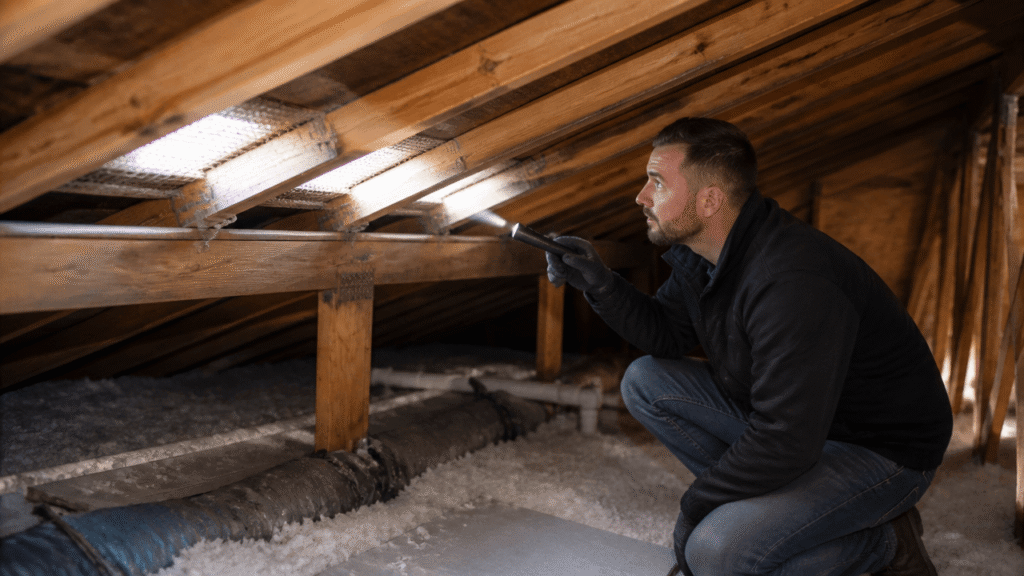
Longer term, ice dams usually point to an insulation and ventilation problem in the attic. Good attic ventilation keeps the roof deck cold and even, which is the real fix for chronic ice dams.
When to call a professional
A roof rake handles routine snow, but call a pro when:
- Ice dams have already formed, or you see interior leaks or ceiling stains
- The roof is too high or steep to reach safely from the ground
- You’re getting recurring ice dams every winter (a ventilation issue)
- You suspect snow or ice has already caused roof damage
Shamrock can inspect for winter damage, address the underlying ventilation issues behind ice dams, and handle any needed roof repair. Book a free inspection or call (913) 850-6556, no pressure, just a clear look at what your roof needs.
Frequently asked questions
What is the best roof rake for snow?
The best roof rake has an adjustable aluminum pole (about 14–22 ft), a lightweight head made of plastic or polyethylene (or metal with rubber guards) to protect shingles, and ideally rollers that keep the head off the surface. Choose a weight you can control safely.
Do roof rakes damage shingles?
They can if the head is bare metal or used aggressively. Choose a head with rubber guards or rollers, work gently, and pull snow downward along the slope to avoid lifting shingles.
How much snow on a roof is too much?
It depends on the roof and the snow’s moisture (wet snow is much heavier). A good rule: rake after significant snowfall, especially the lower few feet, rather than waiting for a heavy buildup. If you’re worried about load, have it inspected.
Will a roof rake prevent ice dams?
It helps. Clearing snow from the eaves removes the snow that feeds ice dams. But the long-term fix for recurring ice dams is proper attic insulation and ventilation.
Can I remove an ice dam myself?
It’s not recommended. Chipping at ice can damage shingles and gutters, and getting up there in winter is dangerous. Call a professional for ice-dam removal.