Impact-resistant shingles, usually rated Class 4, are built to take a hail hit without cracking the way standard shingles do. They cost more up front, but in hail-prone areas like the Midwest they often pay for themselves through a longer roof life, fewer repairs, and a home insurance discount that many companies offer for a Class 4 roof. If you live where hail is a regular problem, they are usually worth it. Ask your insurer about a discount and get a free inspection to talk through your options.
What are impact-resistant shingles?
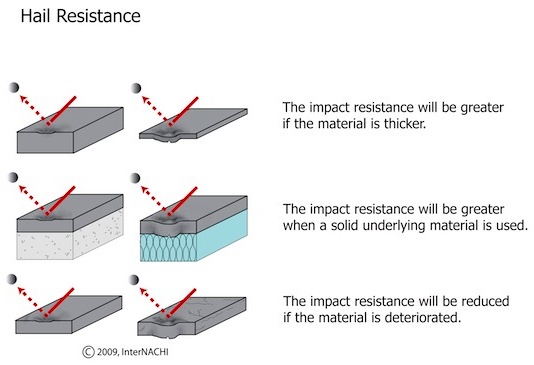
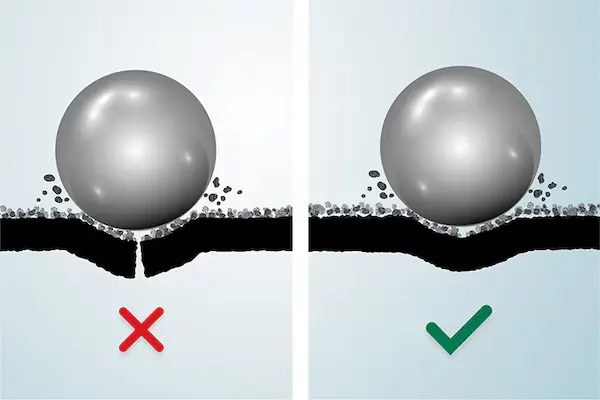
Impact-resistant shingles are asphalt shingles engineered to survive impacts, like hail, falling branches, and flying debris, without cracking or splitting. They are made with tougher materials, often a polymer-modified asphalt or a reinforcing mat, that let the shingle absorb a blow and flex instead of shattering.
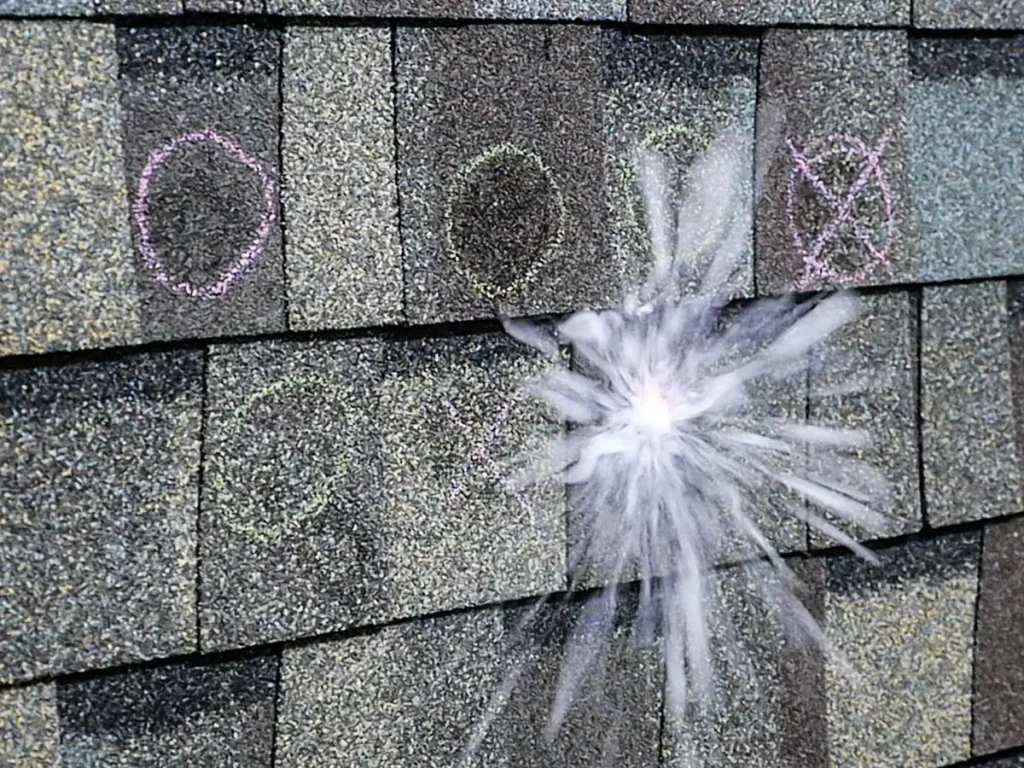
Roofing materials are tested for this using a standard called UL 2218, which drops steel balls onto the shingle to mimic hail. The result is a rating from Class 1 to Class 4. Class 4 is the highest, meaning the shingle held up to the largest test impact without cracking. When people say “impact-resistant shingles,” they almost always mean Class 4 shingles.
Class 3 vs Class 4 shingles: what’s the difference?
Both Class 3 and Class 4 shingles are more durable than standard shingles, but they are tested against different impact sizes. In the UL 2218 test, a Class 3 shingle withstands a smaller steel ball, while a Class 4 shingle takes the largest one without cracking. In simple terms, Class 4 is the toughest rating you can get and the one that matters most for serious hail.
For most homeowners in hail country, Class 4 is the one worth asking about. It offers the best protection and is the rating insurance companies most often reward with a discount. If hail is rare where you live, a lower class or a standard architectural shingle may be enough.
Do impact-resistant shingles lower your insurance?
This is the part that often tips the math in their favor. Many home insurance companies offer a premium discount for roofs built with Class 4 impact-resistant shingles, because a tougher roof means fewer hail claims for them to pay. Some insurers in hail-prone states offer a meaningful discount, and a few may even require or strongly encourage impact-resistant materials.
The catch: discounts are not automatic and they vary by company and state. To get one, you usually have to show proof that your roof uses certified Class 4 shingles, often a certificate from the manufacturer or documentation from your roofer. So the steps are simple: ask your insurance company whether they offer a Class 4 discount and what proof they need, then keep the paperwork from your installation. Over the life of the roof, that yearly discount can add up to real money.
Are impact-resistant shingles worth it? The honest answer
Whether impact-resistant shingles are worth it comes down to where you live and how long you will keep the home.
They are usually worth it if you live somewhere hail and severe storms are common, like much of the Midwest, you plan to stay in the home for years, and your insurer offers a Class 4 discount. In that situation you get three benefits stacking up: the roof survives storms that would damage a standard roof, you file fewer claims (which helps keep your rates down and avoids deductibles), and you bank an insurance discount year after year.
They may not be worth the extra cost if you live where hail almost never happens, or you expect to sell soon and would not be around long enough to recover the higher upfront price through discounts and durability.
The upfront cost is the main trade-off. Class 4 shingles cost more than standard architectural shingles, both in materials and sometimes installation. But against the cost of replacing a hail-damaged roof, paying a deductible, and possibly seeing your premium rise after a claim, many Midwest homeowners come out ahead with the tougher roof.
Getting impact-resistant shingles installed
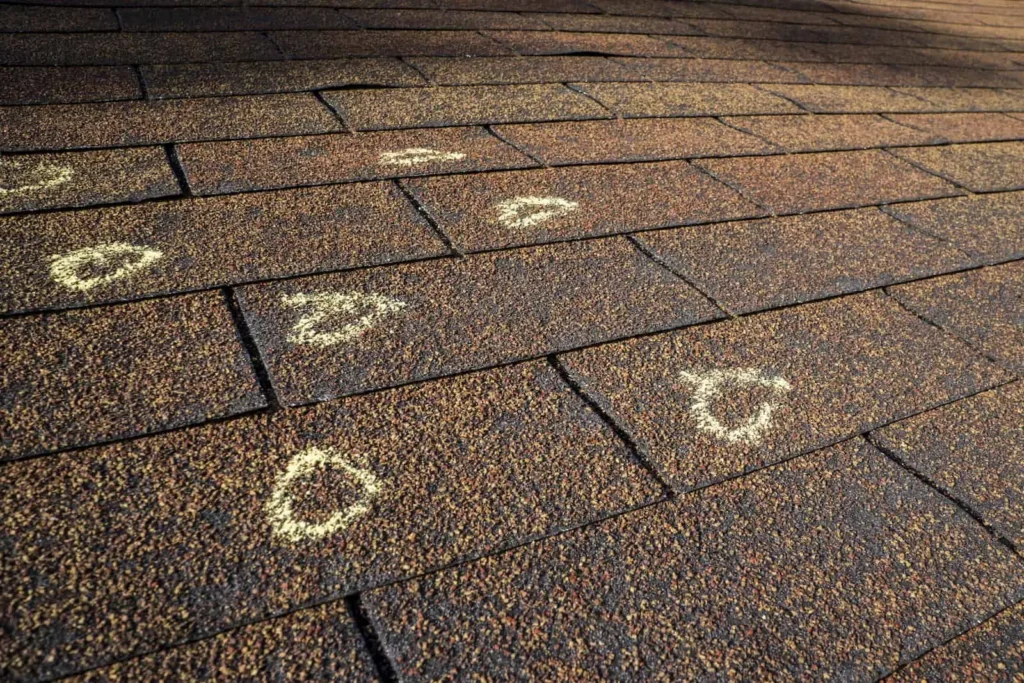
A Class 4 shingle only protects your home if it is installed correctly, so the installer matters as much as the material. You also want a roofer who works with the major manufacturers, so you get a genuine certified Class 4 product and the documentation your insurer will ask for.
If your current roof already took hail damage, that is worth addressing first. Our team can assess storm damage through our storm damage restoration service and document it for an insurance claim. If it is time for a new roof, our roof replacement team can walk you through impact-resistant options and provide the certification you will need for an insurance discount. Not sure whether what you are seeing is hail damage at all? Our guide on telling hail damage from roof blistering can help you figure out the next step.
Shamrock has protected Midwest roofs since 1977, and we are certified by manufacturers including Owens Corning, GAF, CertainTeed, and Malarkey, so we can install genuine Class 4 shingles and back them with real warranties. We will give you a straight answer on whether impact-resistant shingles make sense for your home, with no pressure.
FAQs
Are impact-resistant shingles worth it?
In hail-prone areas like the Midwest, usually yes. They resist hail damage, last longer through storms, and often qualify for a home insurance discount. If you plan to stay in your home for years, the durability and discount typically outweigh the higher upfront cost. Where hail is rare, they may be less worthwhile.
What are Class 4 shingles?
Class 4 is the highest impact rating in the UL 2218 test, which drops steel balls on shingles to simulate hail. A Class 4 shingle withstands the largest test impact without cracking, making it the most hail-resistant asphalt shingle you can buy.
Do Class 4 shingles lower home insurance?
Many insurers offer a premium discount for Class 4 impact-resistant roofs because they file fewer hail claims. Discounts vary by company and state and are not automatic, so ask your insurer what they offer and what proof of certification they require.
What’s the difference between Class 3 and Class 4 shingles?
Both are more durable than standard shingles, but they are tested against different impact sizes. Class 4 withstands a larger impact than Class 3 and is the top rating, which is why it is the one insurers most often reward with a discount.
Do impact-resistant shingles cost more?
Yes. Class 4 shingles cost more than standard architectural shingles in both materials and sometimes labor. The extra cost is often offset over time by a longer roof life, fewer claims and deductibles, and a yearly insurance discount.
Can impact-resistant shingles still get damaged by hail?
They can, since no roof is hail-proof. But Class 4 shingles are far less likely to crack or split in a typical hail storm. After any severe storm, it is still smart to get a professional inspection to check for damage.