Repair your roof when the damage is isolated, the roof is relatively young, and the rest of it is in good shape. Replace it when the damage is widespread, the roof is near or past its lifespan, you have repeated leaks, or there is sagging or structural concern. A repair costs less now; a replacement often costs less over time on an old roof. The most reliable way to decide is a professional inspection.
Roof repair vs replacement: the core question
When something is wrong with your roof, the first question is almost always the same: can this be repaired, or do I need a whole new roof? It is an important call, because a repair costs far less up front, but repairing a roof that is truly worn out just delays the inevitable and wastes money.
The right answer depends on a handful of factors: the age of your roof, how widespread the damage is, the cost of each option, and how long you plan to stay in the home. Here is how to weigh them.
When a roof repair makes sense
A repair is usually the smart, cost-effective choice when:
- The damage is isolated. A single leak, a few missing or cracked shingles, or damage in one small area can typically be repaired.
- The roof is relatively young. If your roof still has years of expected life left, it is worth repairing rather than replacing.
- The rest of the roof is in good shape. If the overall roof is sound and the problem is contained, a repair restores it without the cost of a full replacement.
- The damage came from a one-time event. A branch that punctured the roof or a few shingles lost in a storm are good repair candidates.
Repairs cost a fraction of a replacement and extend the life of a roof that still has plenty of service left. For smaller fixes, our roof repair team handles exactly this kind of work.
When a roof replacement makes sense
A full replacement is usually the better long-term decision when:
- The roof is near or past its lifespan. Most asphalt roofs last 20 to 30 years. Once a roof is in that range, repairs become a losing battle. (See our guide on how long a roof lasts.)
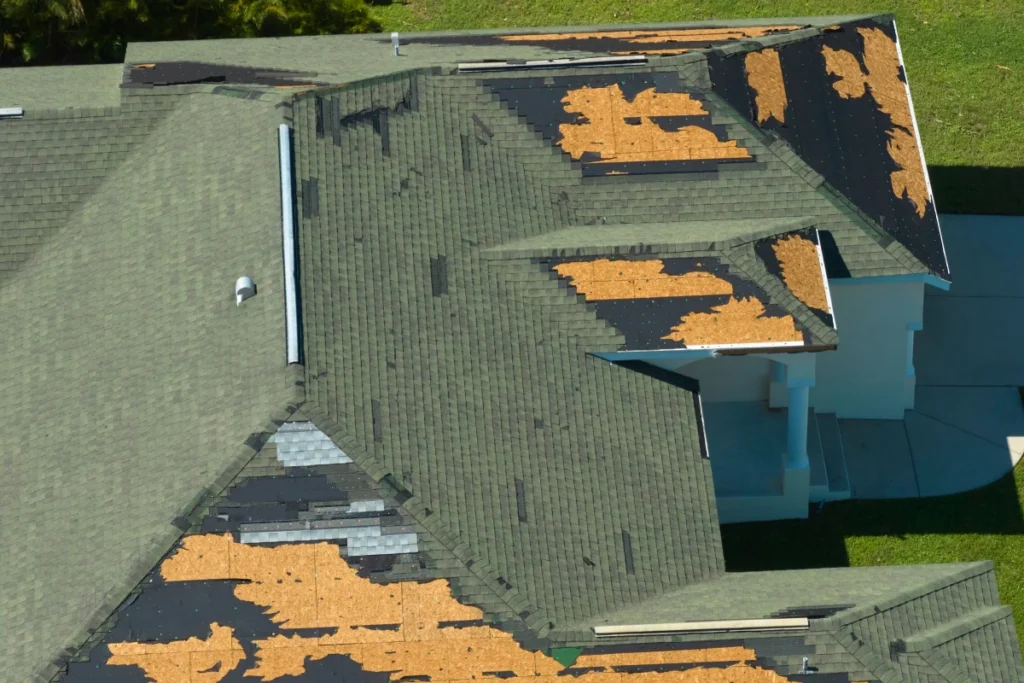
- The damage is widespread. Curling, cracked, or missing shingles across the whole roof, or large areas of granule loss, point to a roof that is worn out, not just damaged.
- You have repeated or multiple leaks. Leaks in several spots, or the same problems coming back, mean the roof is failing as a system.
- There is sagging or structural concern. A sagging roofline or damaged decking is beyond a simple repair.
- You keep paying for repairs. If you are calling a roofer every year, that money is often better put toward a replacement.
For help planning the investment, our guide on what drives roof replacement cost breaks down the factors, and our roof replacement page covers the process. If you want a checklist of warning signs, see signs you need a new roof.
The factors that tip the decision
When it is not obvious, weigh these:
- Age. This is the biggest factor. Repairing a 5-year-old roof is almost always worth it. Repairing a 25-year-old roof usually is not, because the rest of it will fail soon anyway.
- Extent of damage. A rough rule many roofers use: if the damage affects less than about 30 percent of the roof and the roof is not old, repair. If it is more widespread, lean toward replacement.
- Cost over time, not just today. A repair is cheaper now, but if you will likely replace the roof within a few years anyway, paying for repairs in between can cost more than just replacing it once.
- How long you will stay. If this is your forever home, investing in a replacement pays off. If you are selling soon, a sound repair may be enough, though a new roof can also boost resale value and appeal.
- Matching shingles. On older roofs, it can be hard to match new shingles to faded existing ones, leaving a repair looking patchy. That sometimes tips the decision toward replacement for appearance.
- Insurance. If storm or hail damage is involved, your insurance may cover a repair or even a full replacement. A professional inspection and documentation help here.
The honest answer: get an inspection
The truth is that the repair-vs-replacement decision is hard to make from the ground, because the most important factors, the condition of the decking, how widespread the wear really is, and whether there is hidden moisture, are not visible without a proper look.
A trustworthy roofer will tell you honestly when a repair is all you need, rather than pushing a replacement you do not. Shamrock has served the Midwest since 1977, and our inspections come with a straight answer, not a sales pitch. We will show you what we find and lay out your options clearly.
Book your free roof inspection or call (913) 850-6556.
FAQs
Should I repair or replace my roof?
Repair if the damage is isolated, the roof is relatively young, and the rest is in good shape. Replace if the damage is widespread, the roof is near the end of its life, you have repeated leaks, or there is sagging. A professional inspection gives you a clear answer.
Is it cheaper to repair or replace a roof?
A repair costs less up front. But on an old roof with widespread problems, repeated repairs can add up to more than a single replacement, which also resets the roof’s lifespan. It comes down to the roof’s age and condition.
When is a roof too old to repair?
Once a roof is near or past its expected lifespan (about 20 to 30 years for asphalt), repairs become a losing battle because the rest of the roof will soon fail too. At that point, replacement is usually the better value.
How much damage means I need a full replacement?
As a general guideline, when damage affects more than about 30 percent of the roof, or appears across the whole roof rather than one spot, replacement usually makes more sense than repair, especially on an older roof.
Will insurance pay for a roof repair or replacement?
If the damage is from a covered event like a storm or hail, insurance may pay for either, depending on the extent. A professional inspection and proper documentation help support your claim.