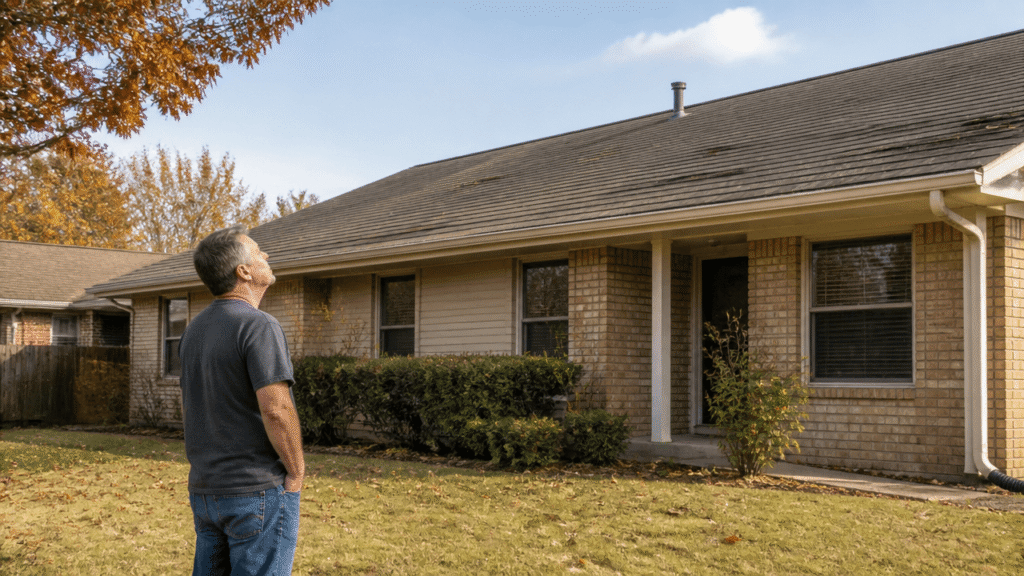
How long a roof lasts depends mostly on the material. Asphalt shingles last about 20 to 30 years, metal 40 to 70 years, wood shakes 30 to 50 years, tile 50-plus years, and slate 75 to 100 years or more. Climate, installation quality, ventilation, and maintenance all affect the real number. In the storm-prone Midwest, hail and wind can shorten any roof’s life. The best way to know how much life your roof has left is a professional inspection.
So, how long does a roof last?
Most homeowners want one number, but the honest answer is that it depends on what your roof is made of and how well it has been cared for. A quality asphalt shingle roof, the most common type, typically lasts 20 to 30 years. Premium materials like metal, tile, and slate last much longer.
Just as important as the material are the conditions your roof lives through. The same roof can last decades in a mild climate and wear out years sooner somewhere with brutal sun, heavy storms, or frequent hail, which describes a lot of the Midwest.
Average roof lifespan by material
| Roofing material | Average lifespan |
| 3-tab asphalt shingles | 15 to 20 years |
| Architectural asphalt shingles | 25 to 30 years |
| Wood shakes and shingles | 30 to 50 years |
| Metal roofing | 40 to 70 years |
| Clay or concrete tile | 50-plus years |
| Slate | 75 to 100+ years |
| Synthetic / composite | 40 to 50 years |
| Flat roof membranes (TPO, EPDM) | 20 to 30 years |
These are general averages. Real lifespan varies with climate, installation, ventilation, and maintenance.
For a deeper look at any of these, see our guide to the types of roofing materials.
Asphalt shingles: 15 to 30 years
Asphalt is the most common roofing material, and its lifespan depends on the grade. Basic 3-tab shingles last around 15 to 20 years, while thicker architectural (dimensional) shingles last 25 to 30 years. Impact-resistant (Class 4) asphalt shingles can hold up better in hail country. Asphalt does not last as long as metal or tile, but it is affordable and easy to repair.
Metal roofing: 40 to 70 years
Metal is one of the longest-lasting common roofing materials. A well-installed metal roof can last 40 to 70 years, often outliving two or three asphalt roofs. It also handles wind, hail, and snow well, which matters in the Midwest. To weigh it against asphalt, see our comparison of metal roof vs shingles.
Tile and slate: 50 to 100+ years
Clay and concrete tile roofs commonly last 50 years or more, and natural slate can last a century with proper care. These are the longest-lasting options, though they cost more and are heavy enough to require proper structural support. For many homeowners, a tile or slate roof is the last roof the house will ever need.
What affects how long your roof lasts?
Two identical roofs can age very differently. The biggest factors:
- Climate and weather. Sun, heat, freeze-thaw cycles, and especially hail and high wind all wear a roof faster. The Midwest is hard on roofs.
- Installation quality. A roof installed correctly by an experienced crew lasts longer than the same material installed poorly. This is the factor most within your control when you choose a contractor.
- Attic ventilation. Poor ventilation traps heat and moisture, which cooks shingles from below and shortens their life.
- Maintenance. Regular inspections, clean gutters, and small timely repairs add years. Neglect takes them away.
- Roof color and slope. Dark roofs absorb more heat, and very low slopes can hold water longer, both of which can affect lifespan.
Staying on top of upkeep makes a real difference. Our roof maintenance guide walks through the simple steps that help a roof reach its full lifespan.
Signs your roof may be near the end of its life
Age is only part of the picture. Watch for these signs it may be time to think about replacement:
- The roof is approaching or past the expected lifespan for its material
- Curling, cracked, or missing shingles across the roof
- Lots of shingle granules collecting in the gutters
- Daylight, water stains, or sagging visible in the attic
- Repeated leaks or repairs in different spots
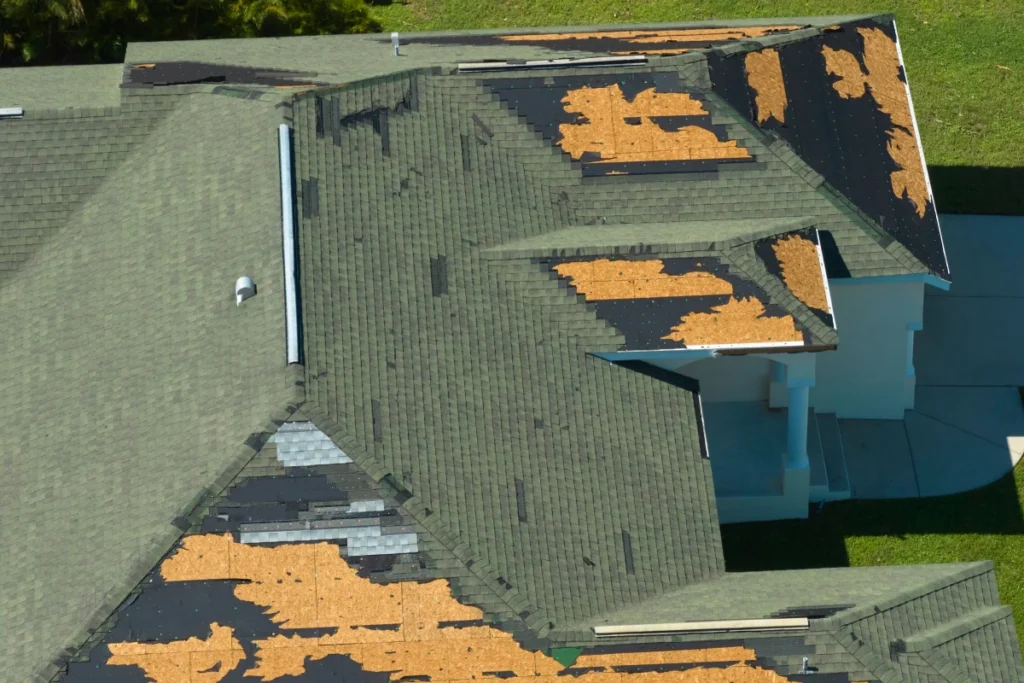
- Widespread storm or hail damage
Seeing one minor issue does not always mean you need a new roof. Widespread or worsening problems, especially on an older roof, are the real warning signs.
Should you repair or replace?
If your roof is relatively young and the damage is limited, a roof repair is usually the smart choice. If it is near the end of its life, has widespread damage, or keeps needing repairs, a full roof replacement typically makes more sense and costs less over time. If you are weighing the investment, our guide on what drives roof replacement cost breaks down the factors.
Not sure how much life your roof has left?
The most reliable way to know is a professional inspection. Shamrock has inspected and replaced roofs across the Midwest since 1977, and we will give you an honest assessment of your roof’s condition and how much life it has left, not a sales pitch.
Book your free roof inspection or call (913) 850-6556.
FAQs
How long does a roof last on average?
It depends on the material. Asphalt shingles last about 20 to 30 years, metal 40 to 70 years, tile 50-plus years, and slate 75 to 100 years or more. Climate, installation, and maintenance all affect the real number.
How long does an asphalt shingle roof last?
Basic 3-tab asphalt shingles last about 15 to 20 years, while architectural shingles last roughly 25 to 30 years with proper installation and maintenance.
How long do metal roofs last?
A well-installed metal roof typically lasts 40 to 70 years, often outlasting two or more asphalt roofs, and stands up well to wind, hail, and snow.
What makes a roof wear out faster?
Harsh weather (especially hail and high wind), poor installation, inadequate attic ventilation, and lack of maintenance all shorten a roof’s lifespan.
How do I know if my roof needs replacing?
Warning signs include widespread curling or missing shingles, heavy granule loss, attic leaks or daylight, repeated repairs, and reaching the end of the material’s expected lifespan. A professional inspection confirms it.
Can I make my roof last longer?
Yes. Regular inspections, keeping gutters clean, ensuring good attic ventilation, and fixing small problems early all help a roof reach or exceed its expected lifespan.